
Last updated October 16, 2026
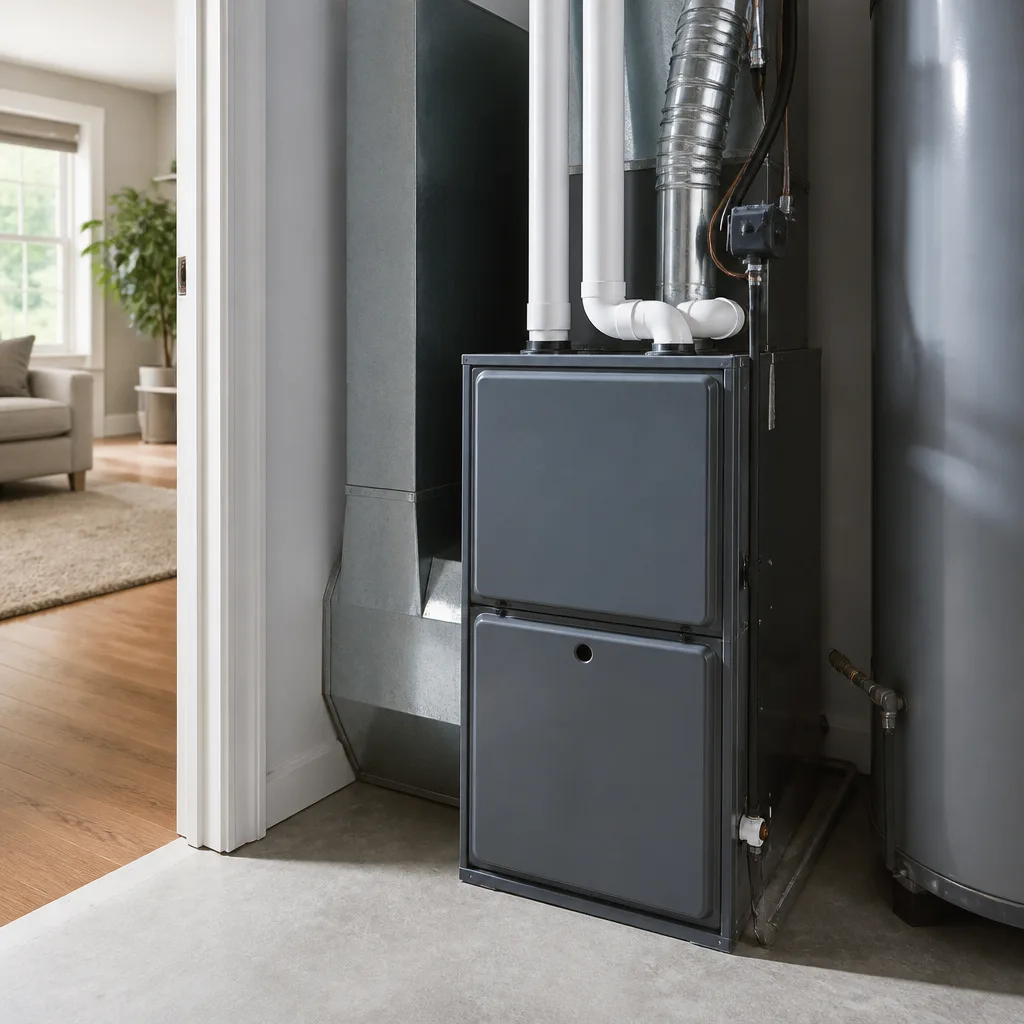 Furnace & heating
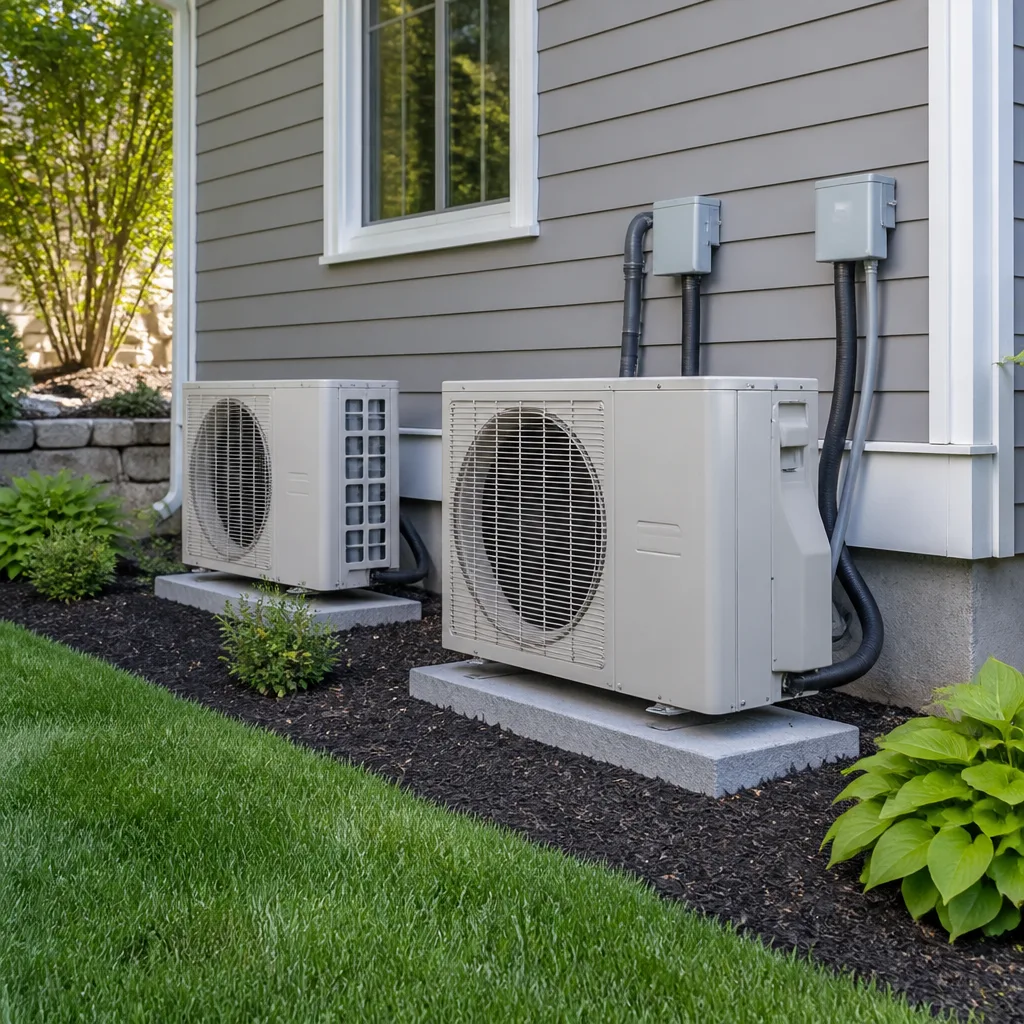 Heat pumps
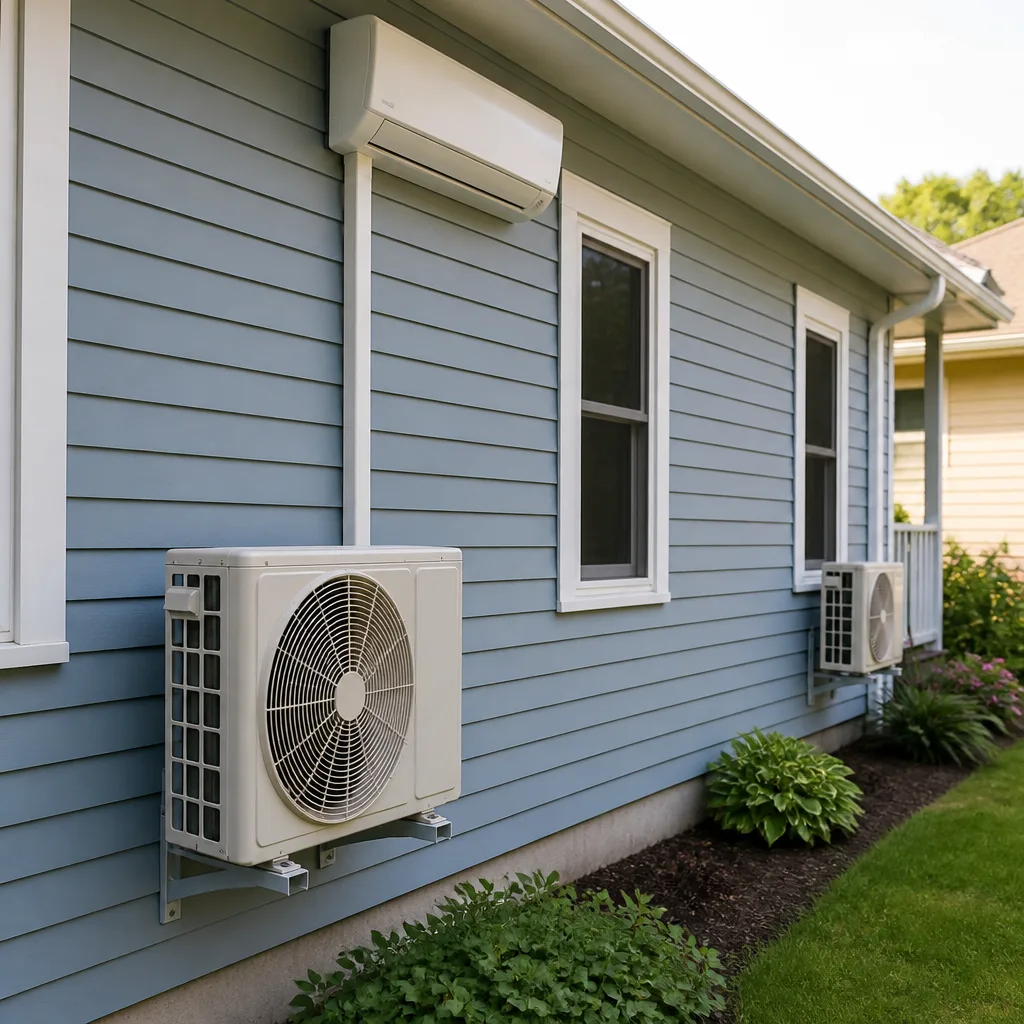 Ductless mini splits
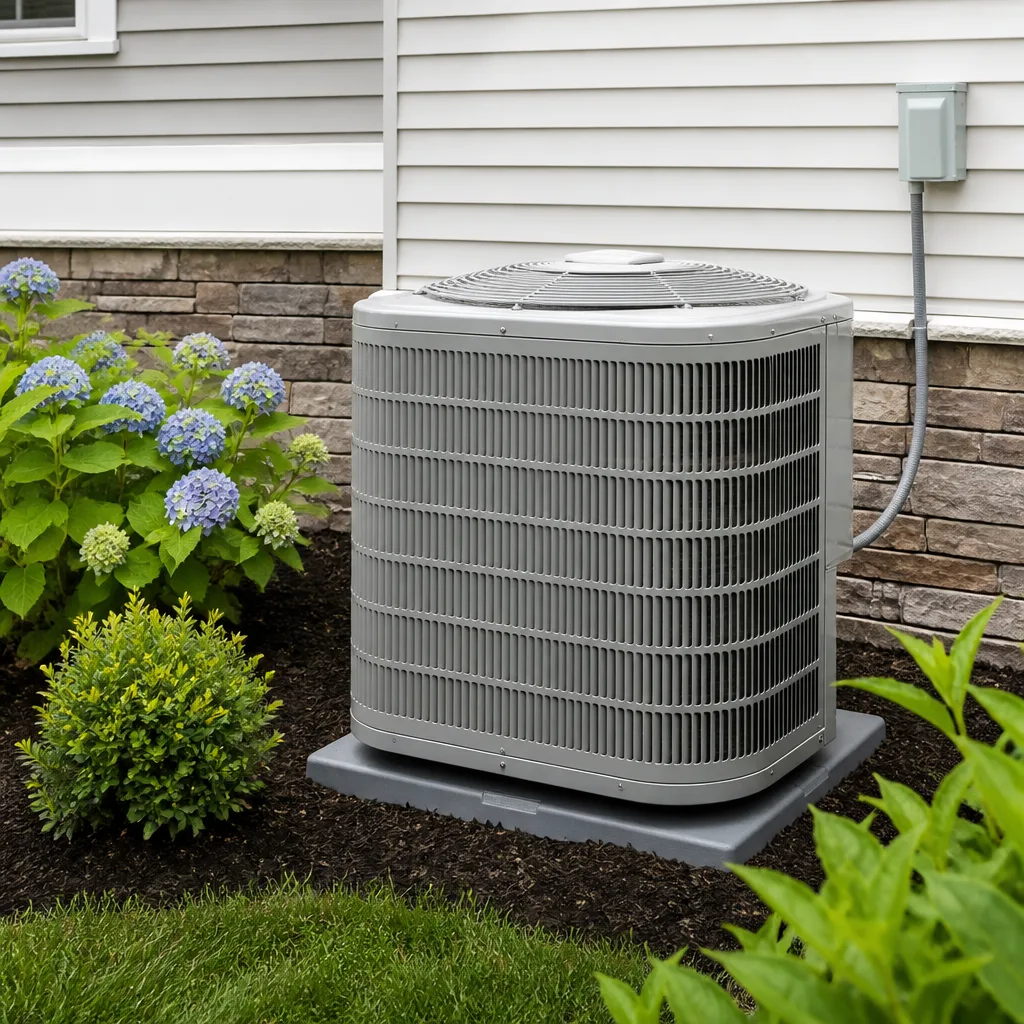 Carrier
 Trane
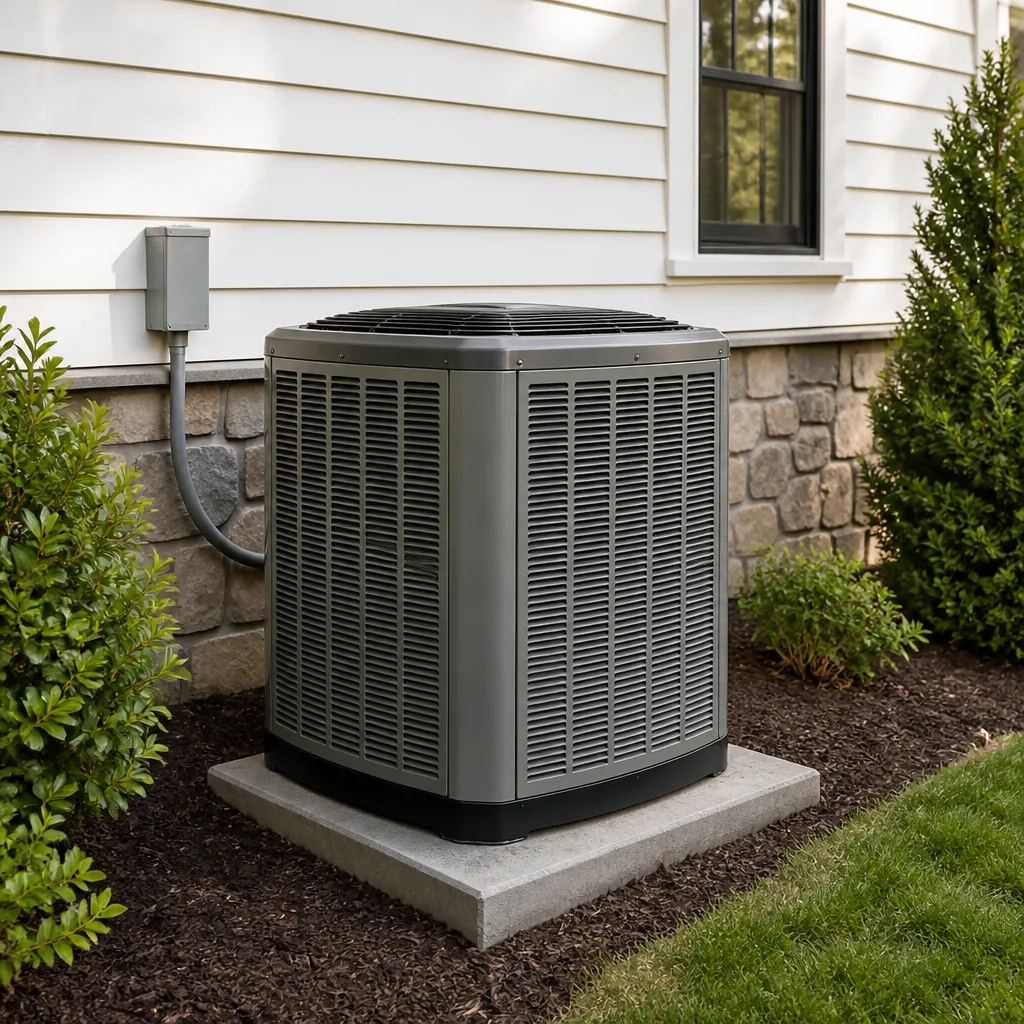
TraneSeasonal tune-up and full diagnostic on your Carrier, Trane, or Goodman system - readings shown to you before any repair is proposed
Diagnosis first, numbers second - you approve the repair price before a single part goes in.
Get your free estimateSeasonal HVAC Care for Woodland Hills: Year-Round Homeowner’s Guide
Woodland Hills homeowners who skip the February pre-season tune-up pay an average of 3x more for emergency repairs in June than those who don’t, because every other household waits until the first 95°F day to call. This guide breaks the year into four Woodland Hills-specific windows, not the generic spring-summer-fall-winter calendar that ignores how this valley actually works. For a broader overview, see The Complete Guide to HVAC in Woodland Hills. You’ll learn exactly what to do in February, what the October Santa Anas do to your outdoor unit, how to run your system during wildfire smoke days, and which dead-season tasks take less than an hour total but add years to your equipment.
Styles & brands we work with
Quick Answer
Seasonal HVAC care in Woodland Hills means scheduling a professional tune-up in February (before the summer rush), cleaning or checking your outdoor unit after October’s Santa Ana winds, replacing filters every 60 – 90 days year-round, and doing a handful of 10-minute tasks in November through January that most homeowners skip entirely. A pre-season tune-up typically costs between $89 and $180 in this market and catches the small failures, like a failing capacitor or low refrigerant, before they become $400 – $900 emergency calls in July. Most AC repairs in Woodland Hills run between $150 and $650 depending on the part, and the dead-season maintenance window is the cheapest insurance against those bills you’ll ever buy. Download our AC Repair Maintenance Checklist for Woodland Hills Homeowners to stay ahead of common failures.
Table of Contents
- Why Woodland Hills Doesn’t Have Four Seasons (And What That Means for Your HVAC)
- February: The Pre-Season Tune-Up That Saves You Real Money
- Wildfire Smoke Days: How to Run Your System When the Air Turns Brown
- October Santa Anas: The Debris Storm Most Seasonal Guides Ignore
- The Dead Season: November Through January Tasks That Extend Equipment Life
- The Before/After Photo Checklist: Document Your System’s Condition Every Season
- Common Mistakes to Avoid
- When to Call a Professional
- Frequently Asked Questions
- The Bottom Line
Why Woodland Hills Doesn’t Have Four Seasons (And What That Means for Your HVAC)
Woodland Hills sits in the southwestern San Fernando Valley, and the climate here does not follow the national playbook. This area regularly posts some of the hottest summer temperatures in Los Angeles County, with July and August afternoons pushing past 100 degrees for days at a stretch. Winter lows, by contrast, rarely dip below 40 degrees, and many homeowners run their furnaces only for a few weeks between December and February. There are really two seasons that punish your HVAC system: the brutal summer heat that forces your AC to run for 12-plus hours a day, and the fall Santa Ana season that hurls debris into any outdoor unit that isn’t protected.
What this means practically is that the standard advice, “get a tune-up in spring and fall,” doesn’t map cleanly onto Woodland Hills. Spring, which in the valley means March and April, is already too late. By April, the AC companies in Woodland Hills are booked solid with the first wave of heat-related failures, and you’ll wait days for a technician while your house climbs past 90 degrees inside. Fall is also not primarily a heating-prep season here, because your furnace gets so little use. The far better framing for Woodland Hills is: prepare for summer heat in February, clean up after the winds in October, and use the mild months to do the small things that extend the life of your equipment. That’s the calendar this guide follows, and it’s the one that will keep you from being the person sweating in a dark house on the first triple-digit Saturday of the year.
February: The Pre-Season Tune-Up That Saves You Real Money
The single highest-impact thing a Woodland Hills homeowner can do for their HVAC system is schedule a professional tune-up in February, not in April or May. The logic is straightforward. HVAC technicians in this market book up fast once temperatures start climbing in late March, so a February appointment gets you the date you want, the time you want, and a technician who isn’t running from one emergency to the next. That matters, because a rushed tune-up misses the exact problems a tune-up exists to catch.
What a proper February tune-up includes, in the order our technicians perform it:
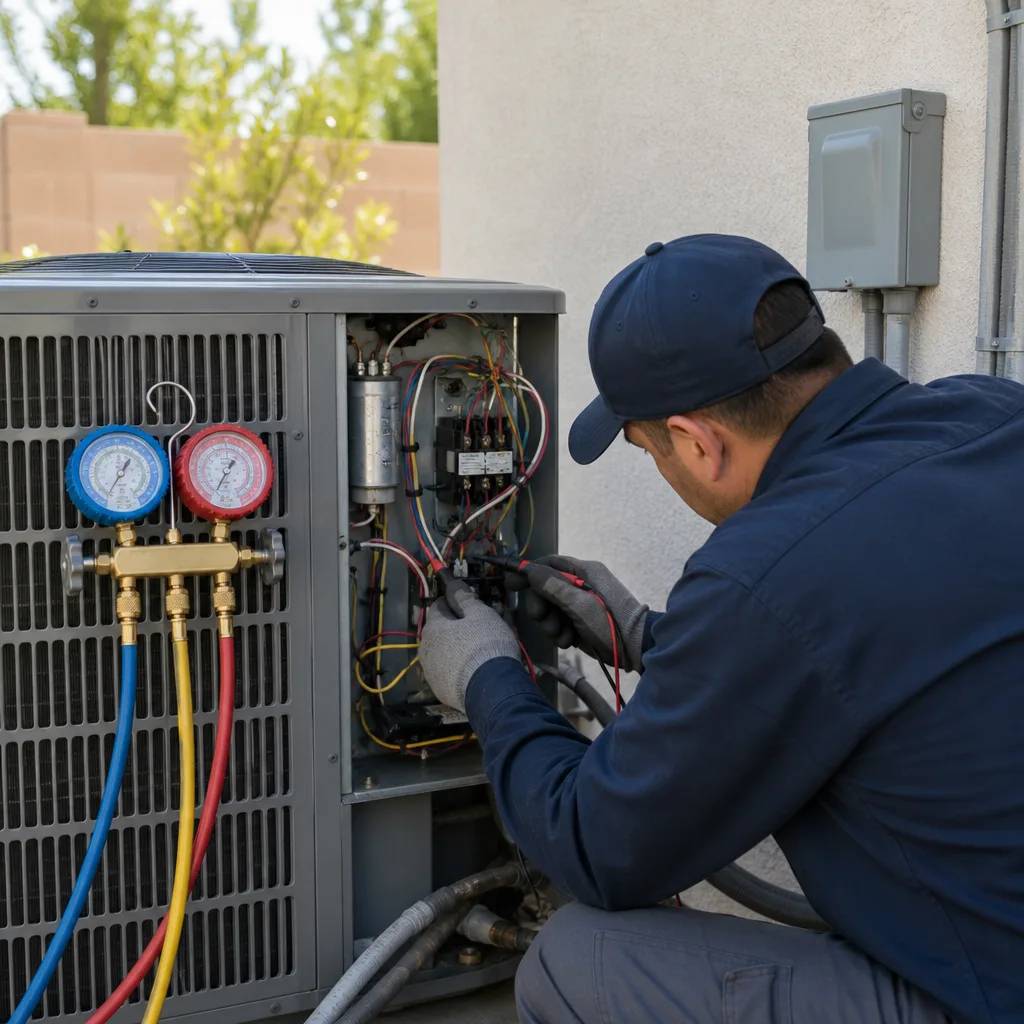
- Condenser coil inspection and cleaning – The outdoor unit’s coils collect a winter’s worth of dust, leaf litter, and pollen. Dirty coils force the system to work harder to shed heat, which raises your summer electric bill and shortens the life of the compressor.
- Refrigerant level check – Low refrigerant (the coolant your system needs to produce cold air) is the leading cause of AC failure in Woodland Hills when the first heat wave hits. Most systems have a slow leak by year seven or eight, and February is the time to find it, not July 3rd.
- Capacitor test – The capacitor is a small cylinder that gives the compressor and fan motor the electrical jolt they need to start. They fail without warning, and they fail far more often in extreme heat. We replace more capacitors in Woodland Hills than any other single part.
- Electrical connection tightening – Loose connections create resistance, which creates heat, which causes parts to fail prematurely. A five-minute tightening pass prevents a lot of midsummer breakdowns.
- Thermostat calibration check – If your thermostat reads 72 but the room is 78, your system is cycling wrong and you’re paying for it. This is a two-minute fix that many homeowners live with for years.
- Drain line flush – The condensate drain line removes moisture your AC pulls from the air. In Woodland Hills’s dry climate, this line can clog with dust and algae, and a clogged line means water backing up into your home. A flush takes minutes and prevents a mess.
In our experience across Woodland Hills and the surrounding valley, roughly one in five systems we tune up in February has at least one issue that would have caused a failure by August. The average cost of that February repair is between $150 and $350. The average cost of a midsummer emergency repair, with overtime rates and a compressor that’s been running hot for weeks, is $500 to $900. The math is not complicated.
One more February consideration for Woodland Hills specifically: the winter here is short, and your furnace doesn’t get the workout that furnaces in cold climates get. But neglect is neglect. A furnace that sits idle for ten months should still get a quick inspection in February so you know it’ll fire when you need it next December. Gas furnaces in the valley have burners, heat exchangers, and safety switches that should be checked at least once a year, even in a mild climate like ours. Our furnace repair service in Woodland Hills regularly sees systems that failed because a small issue from the previous winter was left unaddressed for a full year.
Wildfire Smoke Days: How to Run Your System When the Air Turns Brown
If you live in Woodland Hills, especially in the neighborhoods south of Ventura Boulevard or up against the Santa Monica Mountains, wildfire smoke is not an abstract concern. It’s a reality every late summer and fall. The question that comes up every smoke season is how to run your HVAC system when the outside air is hazardous, and the answer depends on your specific equipment.
If your system uses a standard 1-inch fiberglass or pleated filter, the answer is simple and inconvenient: replace it with the highest-MERV filter your system can handle (typically MERV 11 or MERV 13, but check your manual), and run your system on fan-on mode during heavy smoke days. The fan-on setting keeps air moving through the filter continuously, even when the system isn’t heating or cooling. That continuously filtered air is the best defense you have against smoke particulates inside your home. What a standard 1-inch filter cannot do is handle smoke for weeks on end. You will need to replace it more frequently during smoke season, sometimes every two or three weeks instead of every three months.
If you have a higher-end system, particularly one with a 4- or 5-inch media cabinet filter, you already have better filtration capacity, and you should still check that filter before and after any week of heavy smoke. A media filter loaded with smoke particulate restricts airflow, which strains your blower motor and reduces both efficiency and cooling capacity. In heavy smoke conditions in Woodland Hills, we’ve seen 4-inch filters that were installed in the spring need replacement by October.
There is one thing not to do during wildfire smoke days: do not run your system if you have a whole-house fan or an attic fan that pulls outside air into the house. Those units move unfiltered outside air directly into your living space, and they should stay off whenever the AQI is above 100. The same applies to leaving bathroom exhaust fans running, which creates negative pressure that pulls outside air in through every crack in your home’s envelope. If you’re unsure whether your system pulls outside air, the team at Halden Heating and Air Woodland Hills can tell you during your next tune-up.
October Santa Anas: The Debris Storm Most Seasonal Guides Ignore
Most national seasonal HVAC guides treat October as a furnace-prep month, and that’s reasonable if you live in Minneapolis. It’s wrong for Woodland Hills. October here means Santa Ana winds, and Santa Ana winds mean one specific problem for your HVAC system: the outdoor condenser unit becomes a debris trap.
The condenser unit sits outside, usually on the side of your house or behind a fence, with a large fan on top that pulls air through the coils. When the Santa Anas blow, they carry leaves, twigs, palm fronds, dust, and occasionally larger debris directly into that airflow. The result, in order of severity, is:
- Clogged fins – The thin metal fins on the outside of the condenser collect dust and small debris, reducing airflow and making the system work harder to reject heat.
- Debris inside the unit – Larger leaves, twigs, and the occasional plastic bag get pulled into the unit and lodge against the fan blades or the coil.
- Bent fins or damaged fan blades – In high-wind events, flying debris can physically damage the condenser.
- Blown-over vegetation accumulation – Hedges, bougainvillea, or any planted landscaping near the unit sheds constantly during Santa Ana events, and that material ends up inside the case.
The October Santa Ana task is simple: after the first strong wind event of the season, walk out to your condenser and look at it. If you see anything stuck to the outside, or if the unit sits against a wall or fence where debris collects, it’s worth clearing. The safe way to do this is to shut off the breaker to the unit, remove the cover grille if you’re comfortable doing so, and pull out whatever has accumulated inside. If you’re not comfortable, or if you see bent fins, that’s a service call, not a DIY project. A technician can straighten fins (a process known as fin combing) and verify nothing is lodged in the fan.
But the bigger October task is the one most homeowners in Woodland Hills never think about: checking the air filter after the Santa Anas subside. Wildfire-adjacent valley wind, even without fires, carries fine dust and particulates at levels far above normal. If your filter was clean on September 1, it may be caked by October 15. On a windy week, we’ve seen filters go from new to visibly loaded in under 30 days. Pull the filter, hold it up to a light, and if you can’t see light through it, replace it. This is the single cheapest thing you can do to protect your system during Santa Ana season.
The Dead Season: November Through January Tasks That Extend Equipment Life
There’s a stretch in Woodland Hills, roughly from early November through late January, when your HVAC system does almost nothing. Days stay in the 60s and 70s, nights cool down but rarely enough to run the furnace for more than a few hours, and the AC sits entirely idle. Most homeowners use this window to forget their HVAC exists. That’s a mistake, because these mild months are the easiest time to do the small maintenance tasks that add years of life to your equipment. The entire list below takes less than an hour, total, spread across three months.
- Replace the filter in November, regardless of how it looks. Your filter has been through summer AC season and fall Santa Ana season. Even if it looks okay, a new filter costs $8 to $25 and sets you up clean for the heating season. Set a phone reminder for every 90 days from here.
- Clear the area around the outdoor unit. During the dead season, plants go dormant, and that’s the best time to trim back anything within 2 feet of the condenser. The unit needs unrestricted airflow in all directions, and overgrown landscaping is the most common airflow killer we see in Woodland Hills yards.
- Look for refrigerant-oil stains on the condenser. On a clear day in November or December, examine the outdoor unit for oily residue on the coil or on the lines connecting the unit to the house. Refrigerant leaks leave a distinctive oil film. If you catch a leak here, in the dead season, you get it fixed on your schedule for $200 to $500. If you miss it, you’ll discover it on the first 95-degree day of the year.
- Check the furnace flame before you need it. On a cool evening, switch your thermostat to heat, set it a few degrees above room temperature, and observe the furnace when it fires. The flame in a gas furnace should be a steady, blue cone. If it’s yellow, flickering, or ghosting, or if you hear banging or rattling, call for service before December, not after. A yellow flame can indicate incomplete combustion, which is a safety issue and needs a professional’s eyes. Do not attempt to adjust a gas flame yourself.
- Clean your bathroom and kitchen exhaust fans. This sounds unrelated to HVAC, but Woodland Hills homes with gas appliances depend on proper ventilation, and clogged exhaust fans reduce the air exchange your system relies on. Wipe the grilles, vacuum the fan blades, and you’ve protected both your air quality and your system’s efficiency.
- Inspect the thermostat batteries. Programmable and smart thermostats run on batteries that die in the cold. A dead thermostat battery in December means a furnace that won’t start, and a furnace that won’t start means a service call for a problem that takes 30 seconds to fix. If your thermostat uses batteries, replace them in November.
If you’d rather have a professional handle the deeper items on this list, our team at Halden Heating and Air Woodland Hills does dead-season tune-ups at a slower pace in these months, which means more time on your system and no rush to the next call. It’s a quiet season for us, and that’s exactly why it’s a great season for you to get attention.
The Before/After Photo Checklist: Document Your System’s Condition Every Season
Most homeowners have no baseline for what their HVAC system looks like when it’s working well. That lack of a baseline makes it hard to spot early problems, and it also makes it hard to have a productive conversation with a technician when something does go wrong. The fix is a two-minute phone habit at the start of each season.
Here’s what to photograph, at a minimum, in February, June, October, and December:
- The outdoor condenser unit from all four sides. This captures debris accumulation, fin damage, vegetation growth, and oil stains. Compare photos across months and you’ll see changes your eyes would otherwise skip.
- The air filter, next to a new filter for reference. Put the old filter and the new filter side by side, take the photo, then install the new one. You’ll build a visual record of how quickly your filter loads in each season.
- The thermostat display. This confirms your settings and gives you a baseline for how the system cycles in different seasons.
- The furnace or air handler cabinet, door open. A clear photo of the interior coils, wiring, and blower area lets you spot dust accumulation, condensation, or anything that shouldn’t be there before it becomes a problem.
- Any unusual sound or symptom, on video. If you hear a rattle, a squeal, or a hum that doesn’t sound right, record a 10-second video on your phone. When you call for service, showing that video to the technician is faster and more useful than describing the sound over the phone.
This photo habit also solves the documentation problem when you’re dealing with a repair or a warranty. If your system has a failure, having a photo of the system working correctly in February is useful context for the technician. If a repair fails and you’re under a written guarantee, the guarantee is much easier to honor when there’s a record. Halden Heating and Air includes a written guarantee on every repair, and a free second visit if that repair fails within the coverage window. Your photos help make that process fast and drama-free.
Common Mistakes to Avoid
- Waiting until April to schedule a tune-up. By April, every HVAC company in Woodland Hills is booked a week or more out, and you’ll either wait through the heat or pay a premium for emergency service. February appointments are wide open and often cheaper.
- Neglecting the air filter for months at a time. In Woodland Hills, where summer AC runtimes are among the longest in the county and fall winds dump dust into the air, a filter that looks clean at month one is often clogged by month three. Check monthly, replace every 60 to 90 days maximum, and sooner during Santa Ana or smoke conditions.
- Planting dense vegetation within 2 feet of the condenser. The unit needs airflow on all sides. Bougainvillea, jasmine, or any fast-growing vine planted near the condenser will choke it within a season or two. This is the most common airflow problem we see in Woodland Hills yards, and it’s the easiest to prevent.
- Ignoring a refrigerant leak because the system “still cools fine.” A system low on refrigerant runs the compressor hotter and shorterens its life. Every summer we replace compressors in Woodland Hills that could have been saved if the leak had been caught in the off-season, when repair costs are lower and schedules are open.
- Running the AC with windows open during a mild week. The valley gets beautiful 70-degree days in November and March, and some homeowners leave windows open while the AC is set to cool. The system cycles, wastes energy, and pulls in dust that loads the filter and coats the coil. Pick one: windows or AC, not both.
- Setting the thermostat to an extreme temperature to cool the house faster. Setting it to 65 doesn’t cool any faster than setting it to 72. It just runs the system longer and wastes energy, while creating bigger temperature swings that stress your equipment. Set it to the temperature you actually want and leave it.
- Skipping the furnace check because “Woodland Hills doesn’t get that cold.” It’s true the valley doesn’t get that cold. It’s also true that a furnace that fails in February after not being checked since the previous winter is a furnace that failed because of preventable neglect, not weather.
When to Call a Professional
Some HVAC tasks are homeowner territory: replacing the filter, clearing debris from around the outdoor unit, taking photos, and keeping vegetation trimmed. Everything else is a professional job, and the line is clearer than most people assume. Call a licensed technician if you see oily residue on the condenser, if the system makes a loud bang on startup, if the outdoor unit is running but the air coming from the vents isn’t cold, if the breaker trips more than once, or if you smell gas near the furnace. Do not open the refrigerant lines, do not attempt to recharge refrigerant, and do not adjust gas burners or gas lines yourself, those are genuinely dangerous. Refrigerant is under high pressure and can cause severe frostbite burns; natural gas in a closed space is an explosion and carbon monoxide risk. These are jobs for a trained, insured professional.
Also call if your system is more than 12 years old and the repair estimate approaches half the cost of a new unit. A good company will tell you the truth about that math, and they’ll do it in writing before you commit to anything. Halden Heating and Air Woodland Hills offers free estimates in Woodland Hills – call (559) 245-8195.
Frequently Asked Questions
Once a year is the minimum, and the right time in Woodland Hills is February, before the summer AC rush. If your system is more than 10 years old, or if you run your AC heavily from June through September, a second check in October after the Santa Ana winds is a reasonable investment. Homes in the hills above Ventura Boulevard that face heavier dust and debris loads often benefit from twice-yearly service.
A standard AC tune-up in Woodland Hills typically runs between $89 and $180, depending on the company and the depth of the service. Some companies advertise lower prices and then find “additional work needed” during the visit. At Halden Heating and Air Woodland Hills, the tune-up price is written before we arrive, and any additional work is quoted in writing before it starts. No surprises at the door, ever.
Most AC repairs in Woodland Hills run between $150 and $650, depending on the part. A capacitor replacement is typically $150 to $300. A condenser fan motor runs $300 to $550. A compressor replacement can exceed $1,500, which is why catching problems early with a February tune-up matters so much. For exact pricing on your system, call (559) 245-8195, or visit our AC repair page for Woodland Hills for details on the written-price process.
Yes, with the right setup. Run your system with a clean, high-MERV filter and the fan set to “on” so air circulates continuously through the filter. Replace the filter more frequently during smoke events. Do not run whole-house fans or any system that pulls unfiltered outside air into your home. If your system uses a standard 1-inch filter and you want better smoke protection, consider a professional upgrade to a media filter cabinet, which is a common retrofit in Woodland Hills homes near the hills.
The average lifespan of a central AC system in the San Fernando Valley is 12 to 18 years, but that number is squashed by lack of maintenance. Systems that get an annual tune-up and regular filter changes routinely exceed 15 years. Systems that are never serviced often die at 10 to 12, because the compressor burns itself out running hot. The single best thing you can do for longevity in Woodland Hills specifically is keep the condenser coil clean, because our hot, dry summers punish a dirty coil harder than almost any other climate factor. If you’re nearing replacement, we can help with that too, see our AC installation service in Woodland Hills.
Use the $5,000 rule: multiply the repair cost by the age of the system. If the system is 15 years old and the repair is $400, that’s $6,000 by this rule, and replacement starts making real sense. If the system is 8 years old and the repair is $300, that’s $2,400, and repair is almost always the right call. In Woodland Hills, where AC systems work hard every summer, a system past 15 years that needs a major repair like a compressor or coil replacement should generally be replaced, not repaired. Our team at Halden Heating and Air Woodland Hills gives you the numbers in writing either way and lets you decide, no pressure.
The Bottom Line
Woodland Hills punishes HVAC systems that are maintained reactively. The February tune-up is the single highest-value maintenance task you can do, and it costs a fraction of what you’ll pay for an emergency repair if you skip it. The October Santa Ana cleanup and filter change protect your system from the most underappreciated seasonal threat in this valley. And the dead-season tasks, all of them combined, take less than an hour and cost almost nothing. Do these things, document them with phone photos, and your system will run longer, fail less, and cost less to operate. If you want a professional partner who puts every price in writing before work begins, our team at Halden Heating and Air Woodland Hills is ready when you are, call (559) 245-8195 for a free estimate.
Written by Andre Fuller, Owner at Halden Heating and Air Woodland Hills, serving Woodland Hills since 2004. Explore more guides & resources on our blog.
See the difference
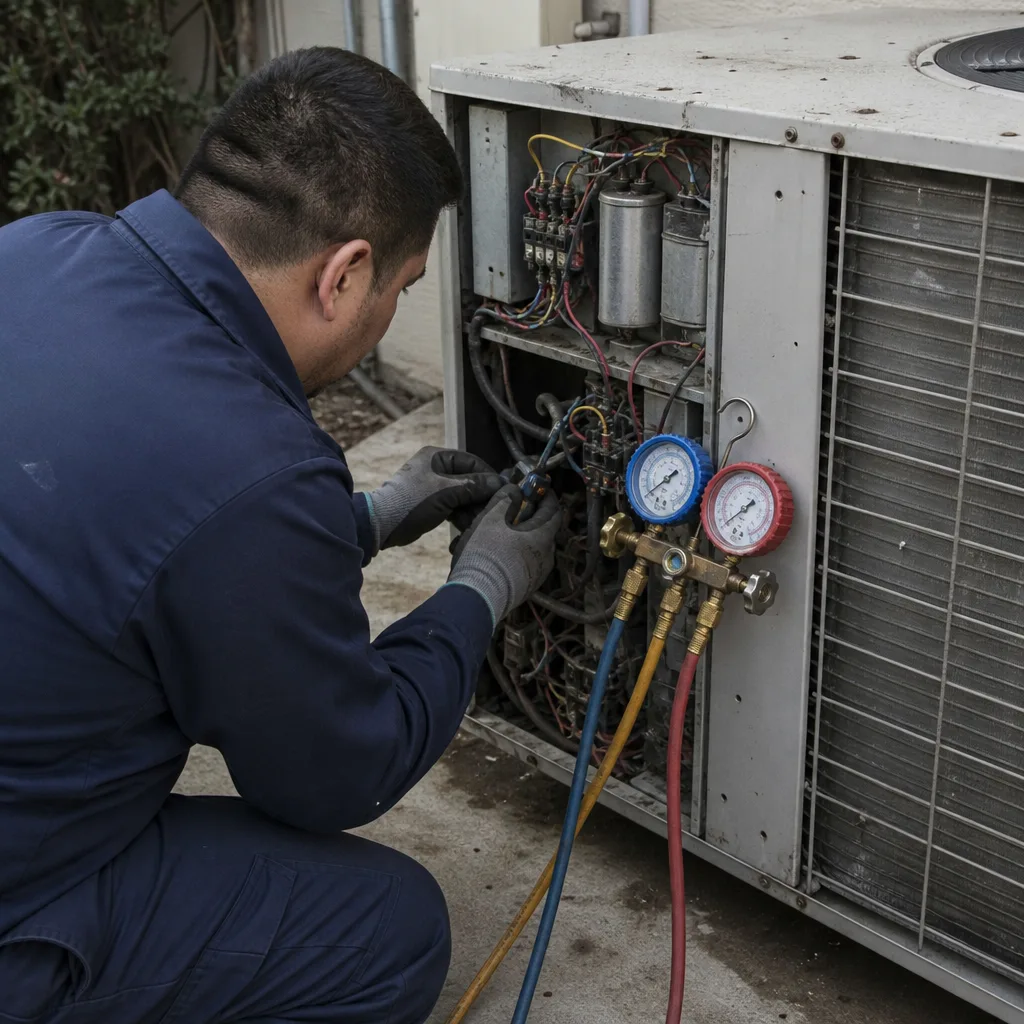 Before
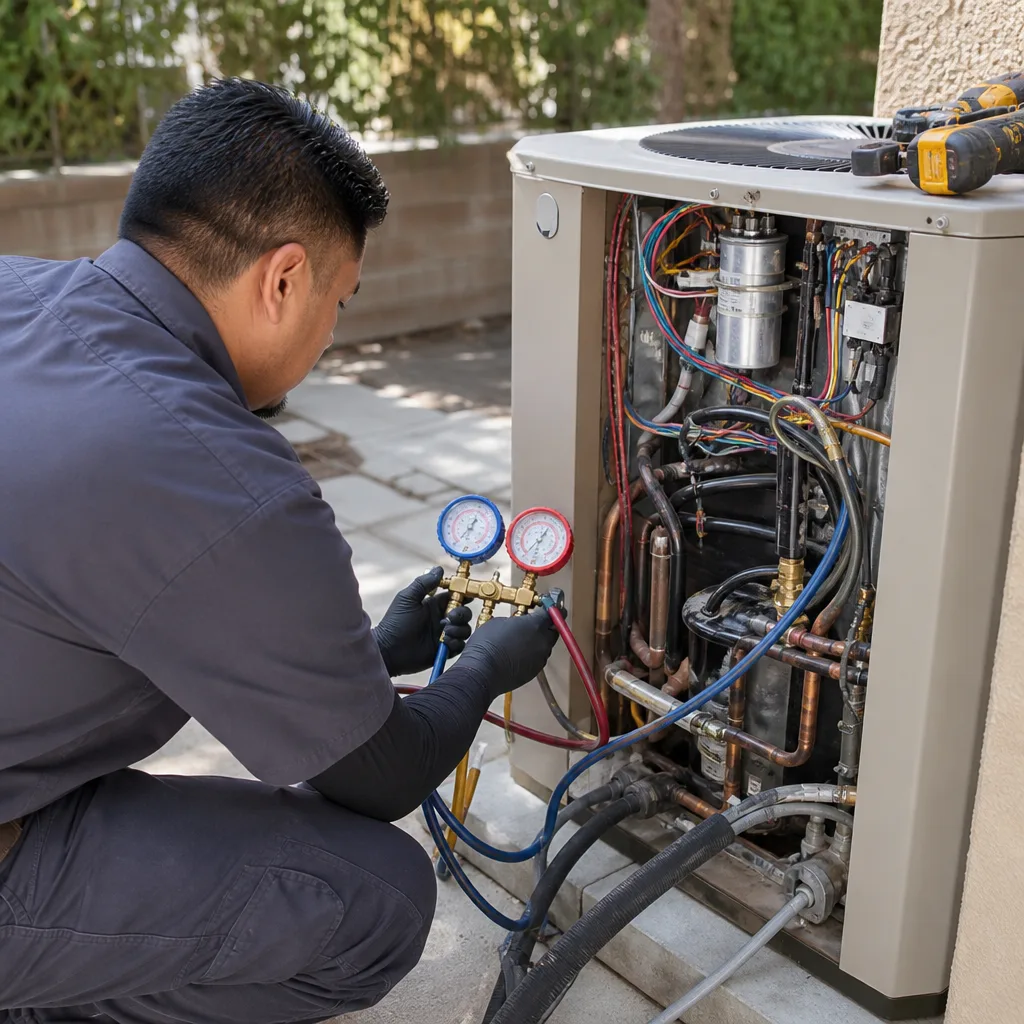 After
After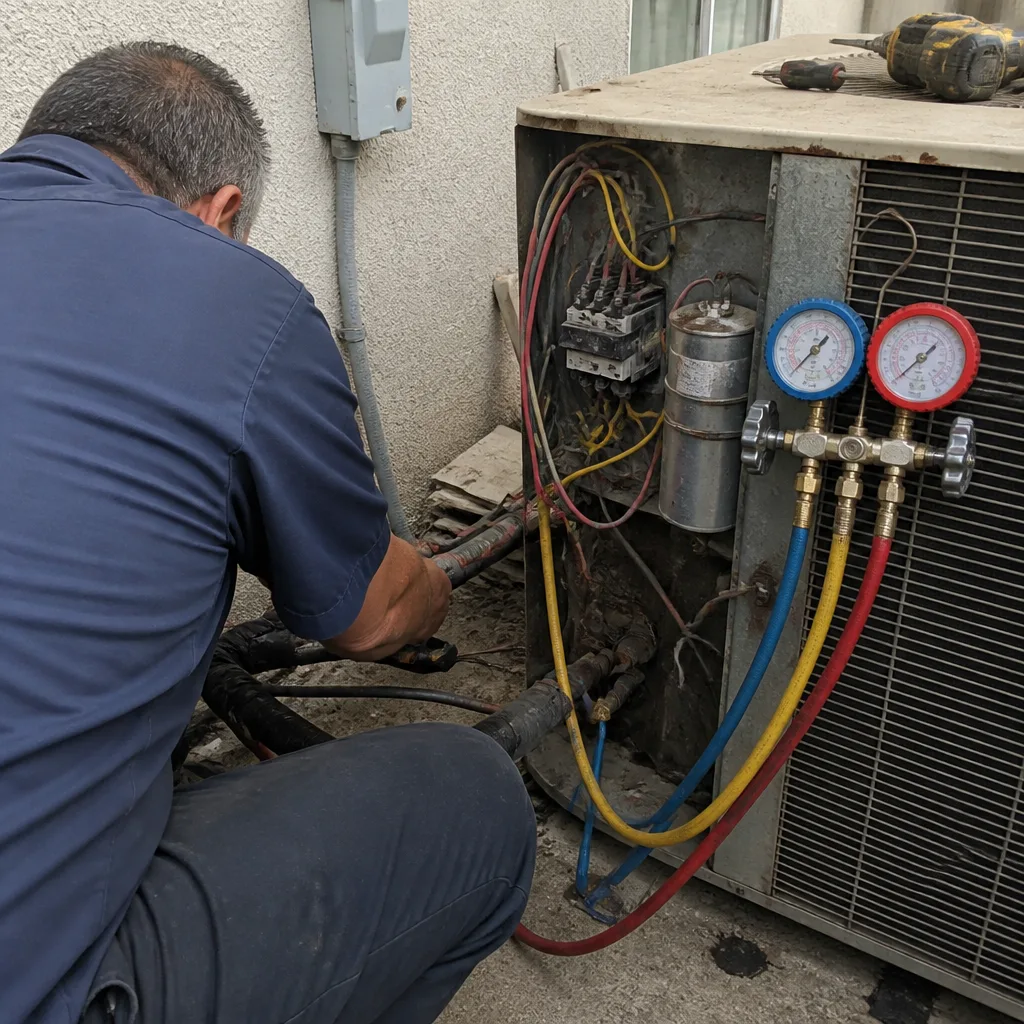 Before
 After
After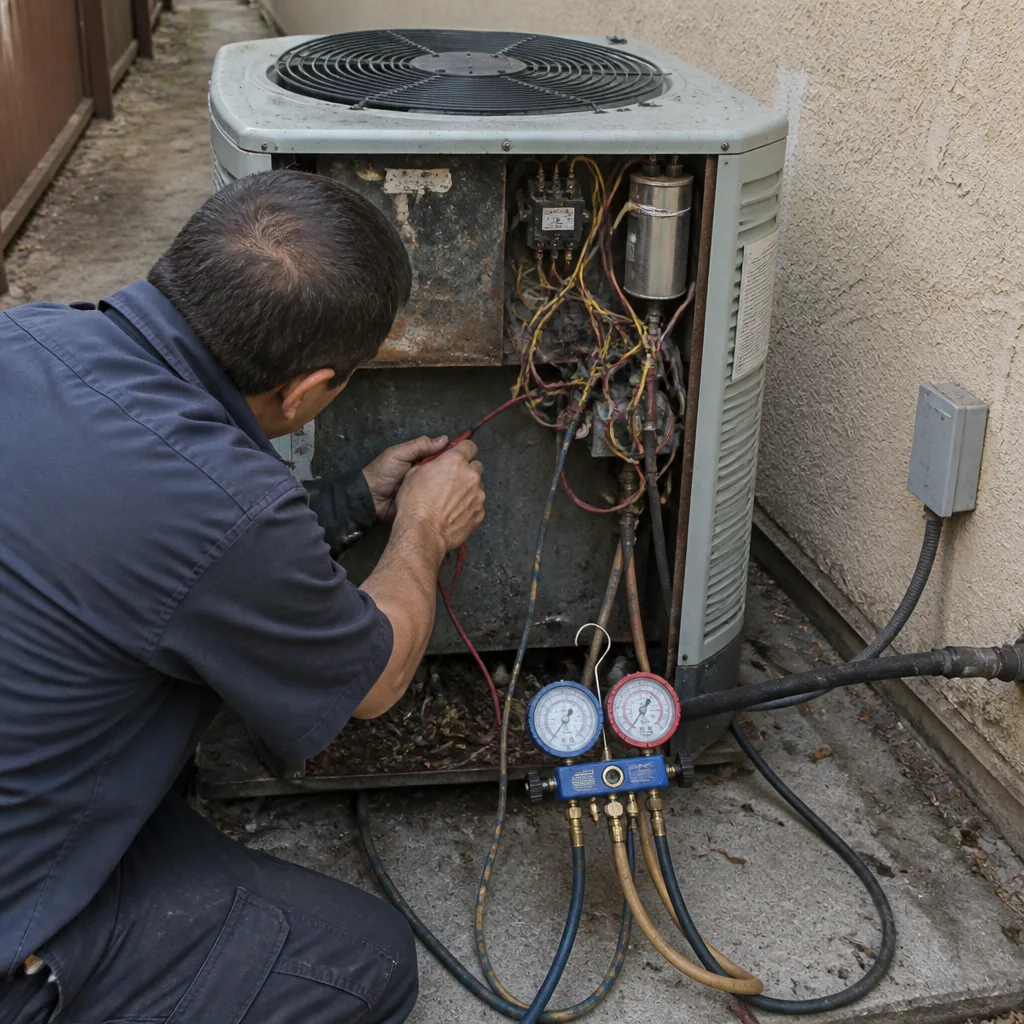 Before
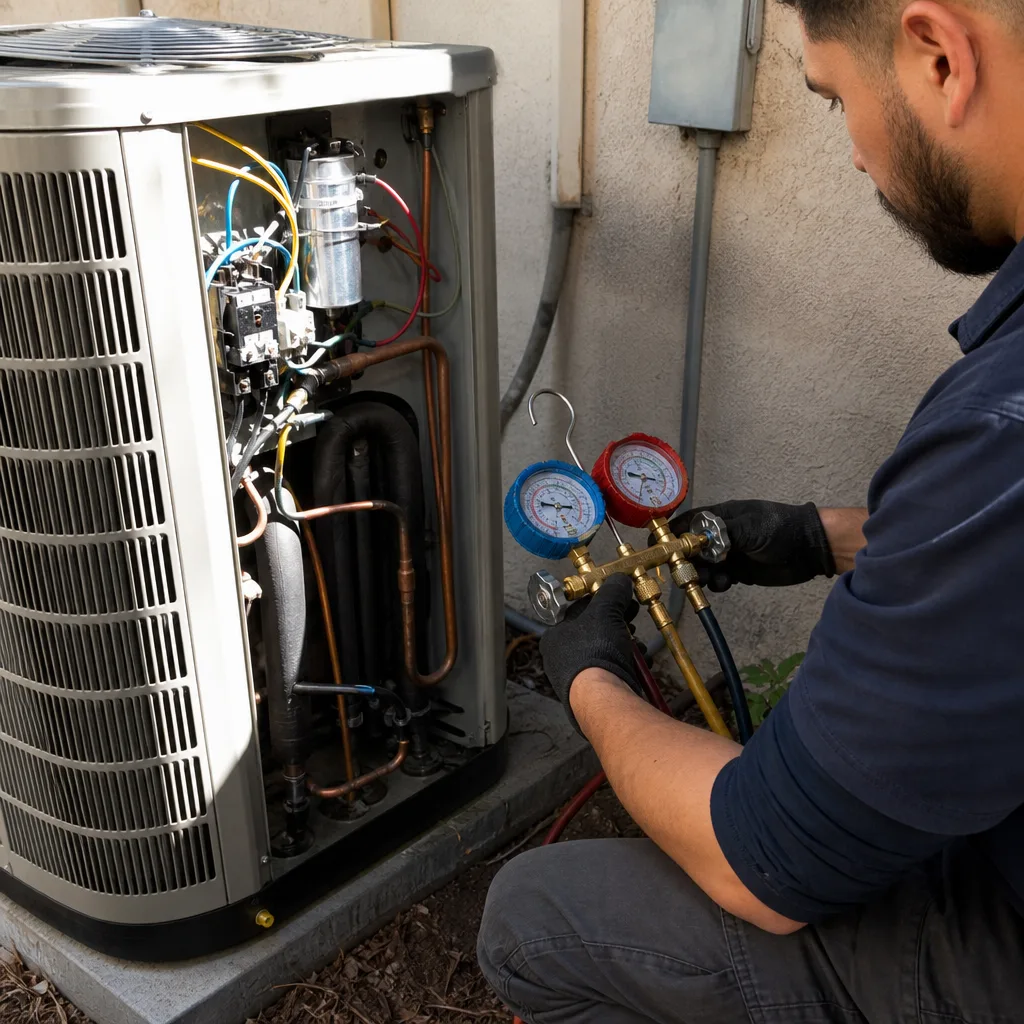 After
After