
Last updated October 16, 2026
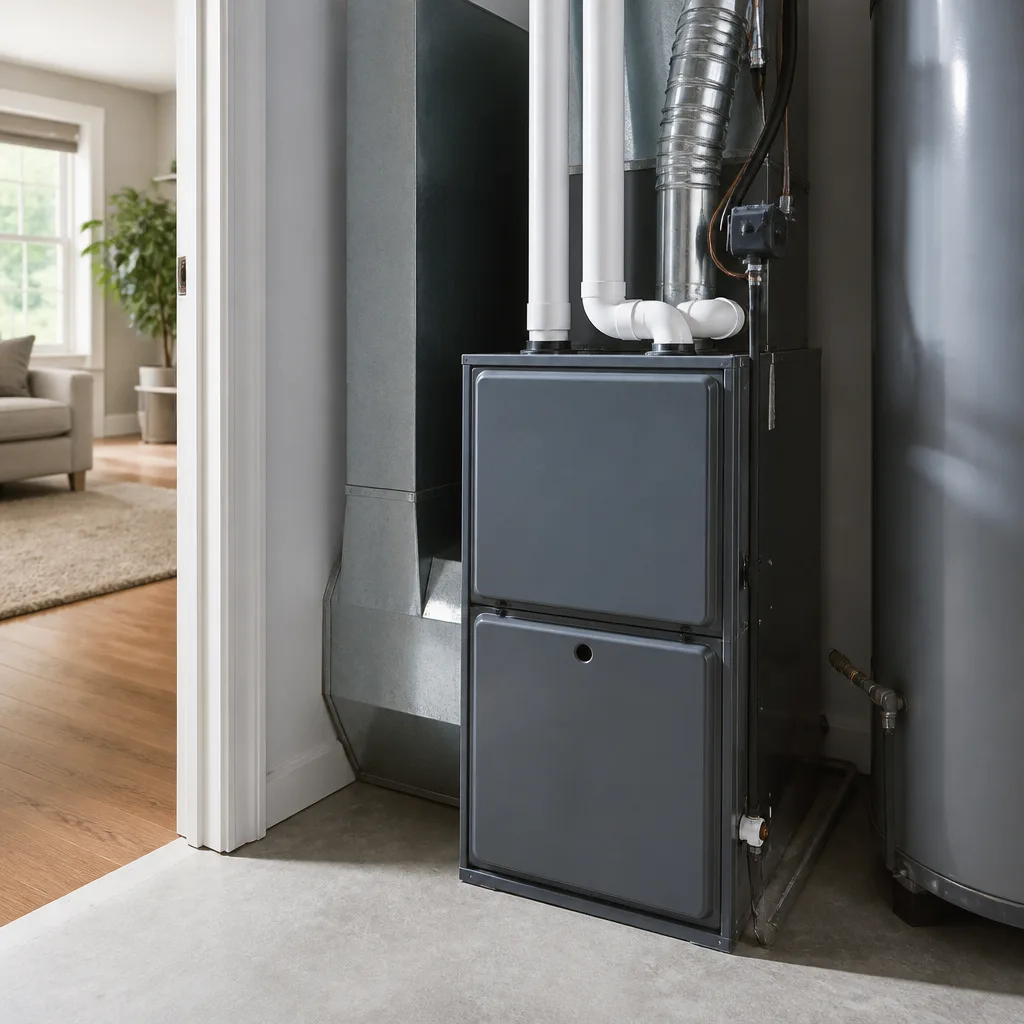 Furnace & heating
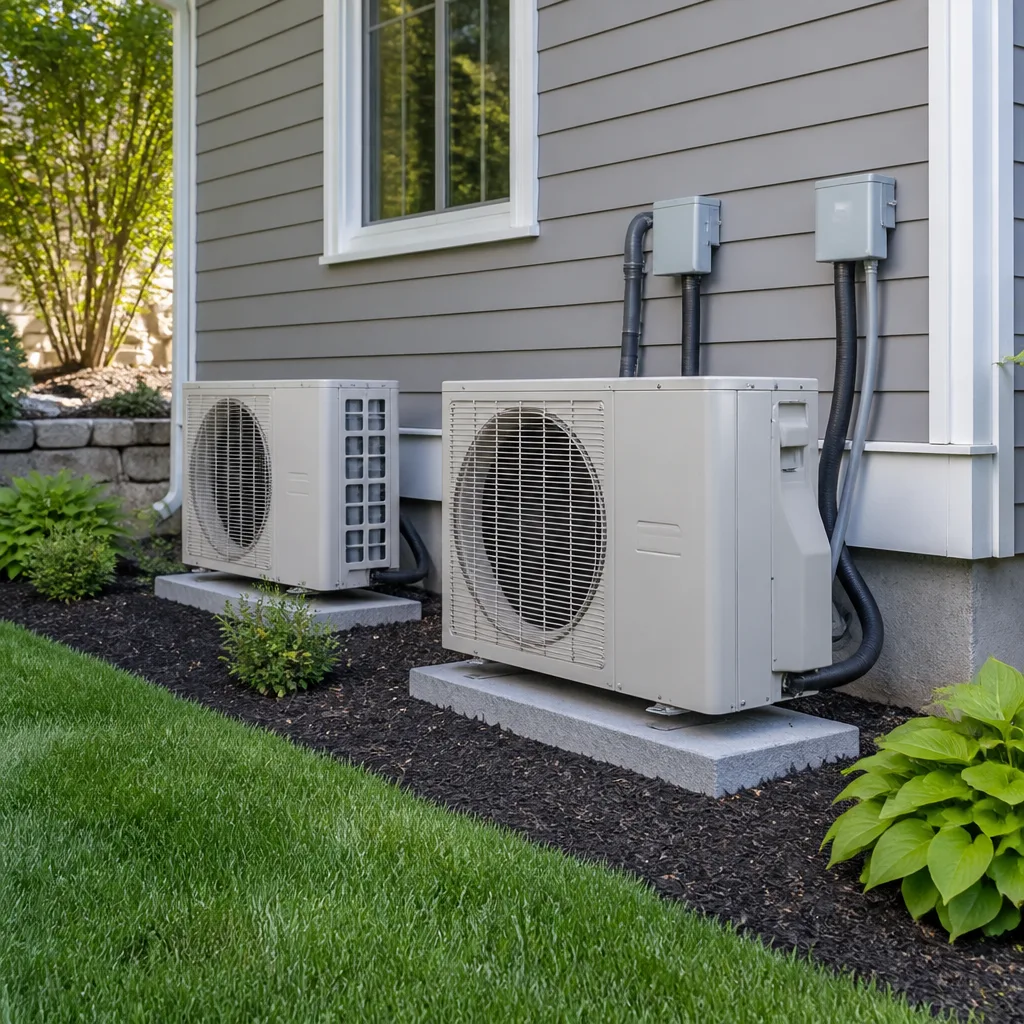 Heat pumps
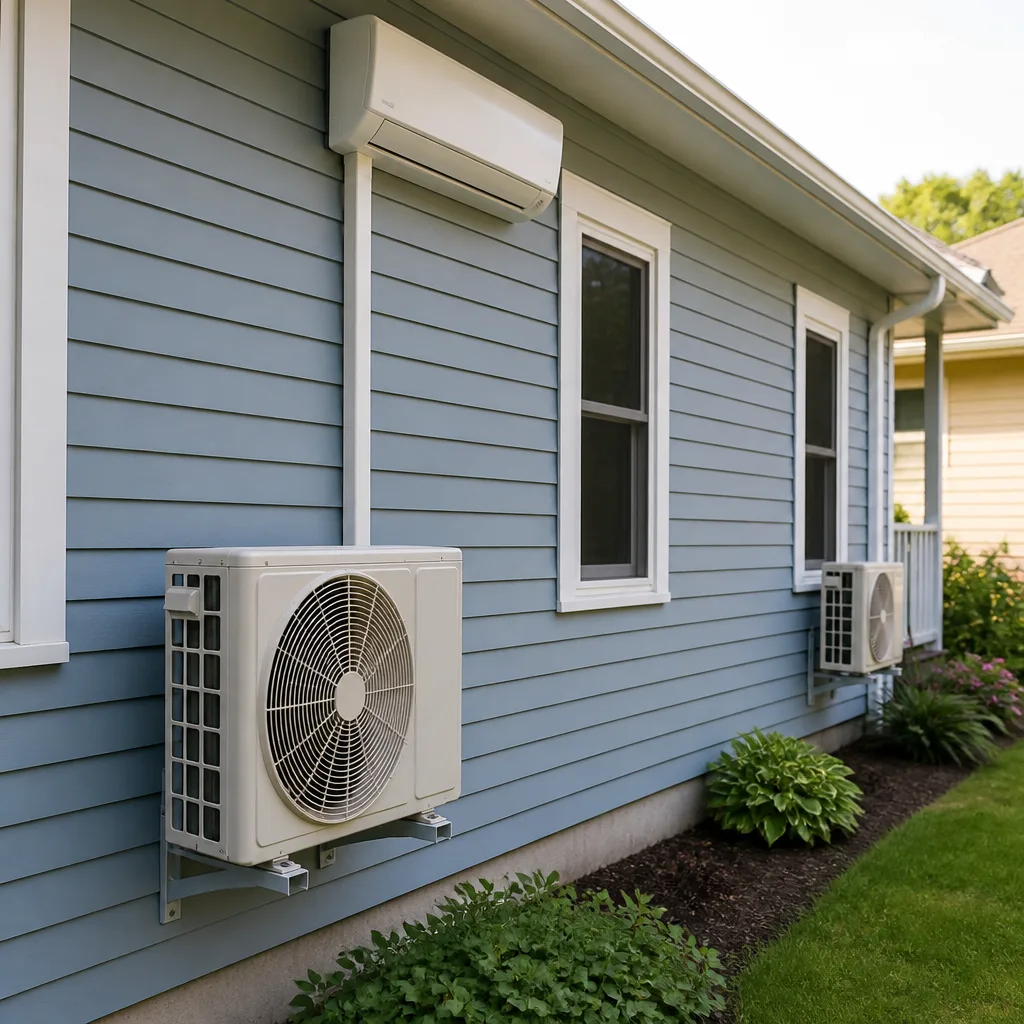 Ductless mini splits
 Carrier
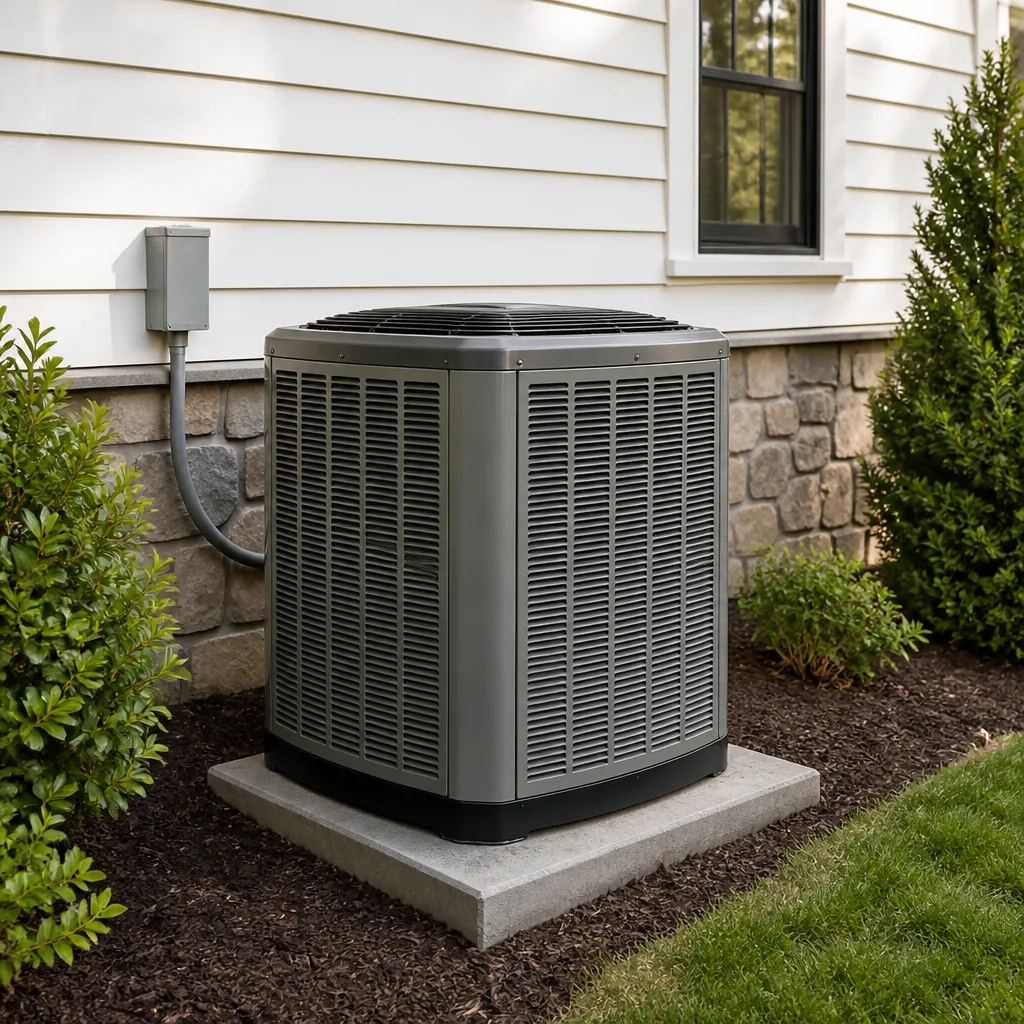 Trane
TraneSeasonal tune-up and full diagnostic on your Carrier, Trane, or Goodman system - readings shown to you before any repair is proposed
Diagnosis first, numbers second - you approve the repair price before a single part goes in.
Get your free estimateDIY vs Professional HVAC: The Woodland Hills Homeowner’s Decision Guide
Here’s a number that changes the whole DIY conversation before it starts: in California, it is a federal and state crime for anyone without an EPA Section 608 certification to handle refrigerant. Not a gray area. Not a suggestion. A hard legal line that rules out roughly a third of the YouTube “AC fix” videos aimed at homeowners. This guide walks you through the real decision points for Woodland Hills homeowners: what you legally and practically can do yourself, what will void your warranty, what will genuinely save you money, and where calling a pro is the only rational choice. For a deeper look at what professional help costs, see our HVAC Cost Breakdown: The Woodland Hills Homeowner’s Reference for 2026. You’ll learn the task-by-task breakdown, the warranty language that matters, and a simple decision tree you can screenshot the next time your system acts up.
Quick Answer
Most homeowners in Woodland Hills can safely handle filter changes, thermostat batteries, drain line clearing, and condenser coil cleaning, but anything involving refrigerant, electrical panels, gas lines, or compressor work should go to a licensed pro. Doing the safe tasks yourself saves roughly $100 to $400 a year, while attempting refrigerant or electrical work can void your manufacturer warranty and trigger California penalties. When in doubt, the warranty language in your owner’s manual is the tiebreaker.
Styles & brands we work with
Table of Contents
- The Legal Line: What California Actually Prohibits
- The 8 Tasks You Can Genuinely Do Yourself
- The Warranty Reality: What Your Manual Really Says
- The Middle Path: Hybrid Work That Cuts Labor Costs
- DIY vs Pro: Real Cost Comparison for Woodland Hills
- The Decision Tree: Symptom, Age, Warranty, Recommendation
- Woodland Hills Climate Factors: Why They Matter
- Common Mistakes to Avoid
- When to Call a Professional
- Frequently Asked Questions
The Legal Line: What California Actually Prohibits
The most important fact in this entire guide is simple: under the federal Clean Air Act and EPA Section 608 regulations, anyone who handles refrigerant, meaning R-410A, R-22, or any of the newer A2L refrigerants, must hold an active EPA Section 608 certification. This is not a California quirk or a contractor lobbying win. It is a federal law with fines that start around $37,500 per day per violation. The reasoning is environmental: refrigerants deplete the ozone layer or contribute heavily to global warming when vented into the atmosphere, so the EPA controls who can buy, handle, and recover them.
What this means for a Woodland Hills homeowner is straightforward: if the fix requires opening the sealed refrigerant lines, adding refrigerant, recovering refrigerant, or even just connecting a manifold gauge to check pressures, you are legally barred from doing it yourself. That covers a lot of ground. It means a “low refrigerant” diagnosis from a YouTube tutorial is not something you can act on with a can of refrigerant from an auto parts store. It means a refrigerant leak detection and repair job is always a licensed pro’s work. It means a compressor replacement, which requires evacuating and recharging the entire system, is never a DIY project.
California adds its own layer: the California Air Resources Board (CARB) enforces refrigerant handling rules aggressively, and the South Coast Air Quality Management District, which includes Woodland Hills, has additional reporting requirements for HVAC contractors. Unlicensed work on refrigerant systems carries the dual risk of federal penalties and local enforcement action. We raise this not to scare anyone, but because most DIY guides gloss over the legal line entirely. The law is the law, and it rules out more “fixes” than any safety argument ever could.
Three Questions to Ask Before Any DIY HVAC Work
- Does this task require opening the sealed refrigerant system? If yes, it is illegal without EPA Section 608 certification. Stop.
- Does this task require working inside an electrical panel or connecting a new component to line voltage? If yes, it requires a California electrical permit and a licensed contractor. Stop.
- Does this task involve the gas supply, carbon monoxide components, or flue piping on a furnace? If yes, it requires a licensed contractor familiar with California mechanical code. Stop.
If the answer to all three questions is no, you may be in genuine DIY territory. The next section covers exactly what that territory looks like.
The 8 Tasks You Can Genuinely Do Yourself
Now for the practical side. There is a real list of HVAC tasks that are legal, safe, and genuinely worth doing yourself in Woodland Hills. These eight tasks require no refrigerant handling, no electrical panel work, and no gas line involvement. Each one takes under an hour for a first-timer, uses tools you probably already own or can buy for under $30, and saves you a service call fee that would otherwise run between $89 and $150 in the Woodland Hills area. We’ll break down each task, the estimated savings, and exactly how often to do it.
1. Air Filter Replacement
Cost to DIY: $10 to $25 per filter. Pro cost: $69 to $120 per change when you factor in the trip charge and labor. Frequency: every 30 to 60 days during heavy AC use months, which in Woodland Hills means May through October. A clogged filter is the single most common cause of preventable AC failure. It restricts airflow, which causes the evaporator coil to freeze, which eventually damages the compressor. Buy pleated MERV 8 to MERV 11 filters, match the size printed on the old filter’s frame, and install with the arrow pointing toward the unit. This one task, done consistently, saves $200 to $400 a year and extends your equipment life more than anything else on this list.
2. Thermostat Battery Replacement
Cost to DIY: $3 to $10. Pro cost: $75 to $120 for a service call. Frequency: once a year, or whenever the display dims or the system stops responding. If your thermostat has a low battery indicator or flickering display, the fix is usually a matter of popping off the faceplate and swapping two AA or AAA batteries. On older Honeywell units, the battery compartment is behind the front panel. On Nest, Ecobee, and other smart thermostats, the unit typically runs on the C-wire and has no battery at all, but a blank screen can indicate a tripped float switch or a tripped breaker, which is also a homeowner-level fix. Before calling anyone, check the battery and the breaker panel. We regularly take service calls in Woodland Hills that turn out to be a dead thermostat battery.
3. Drain Line Clearing with Vinegar or a Wet/Dry Vacuum
Cost to DIY: $2 to $15. Pro cost: $100 to $200 for a drain line clearing visit. Frequency: monthly vinegar flush during cooling season, or annually if you use a wet/dry vacuum. The condensate drain line carries the moisture your AC pulls out of Woodland Hills air away from the unit. When it clogs with algae and sediment, water backs up and triggers the float switch, which shuts down your system entirely. Flushing the line with one cup of white vinegar every month during summer prevents this. If it’s already clogged, a wet/dry vacuum attached to the drain line outlet outside your home, usually a small PVC pipe near the condenser, can suck the clog out in under ten minutes.
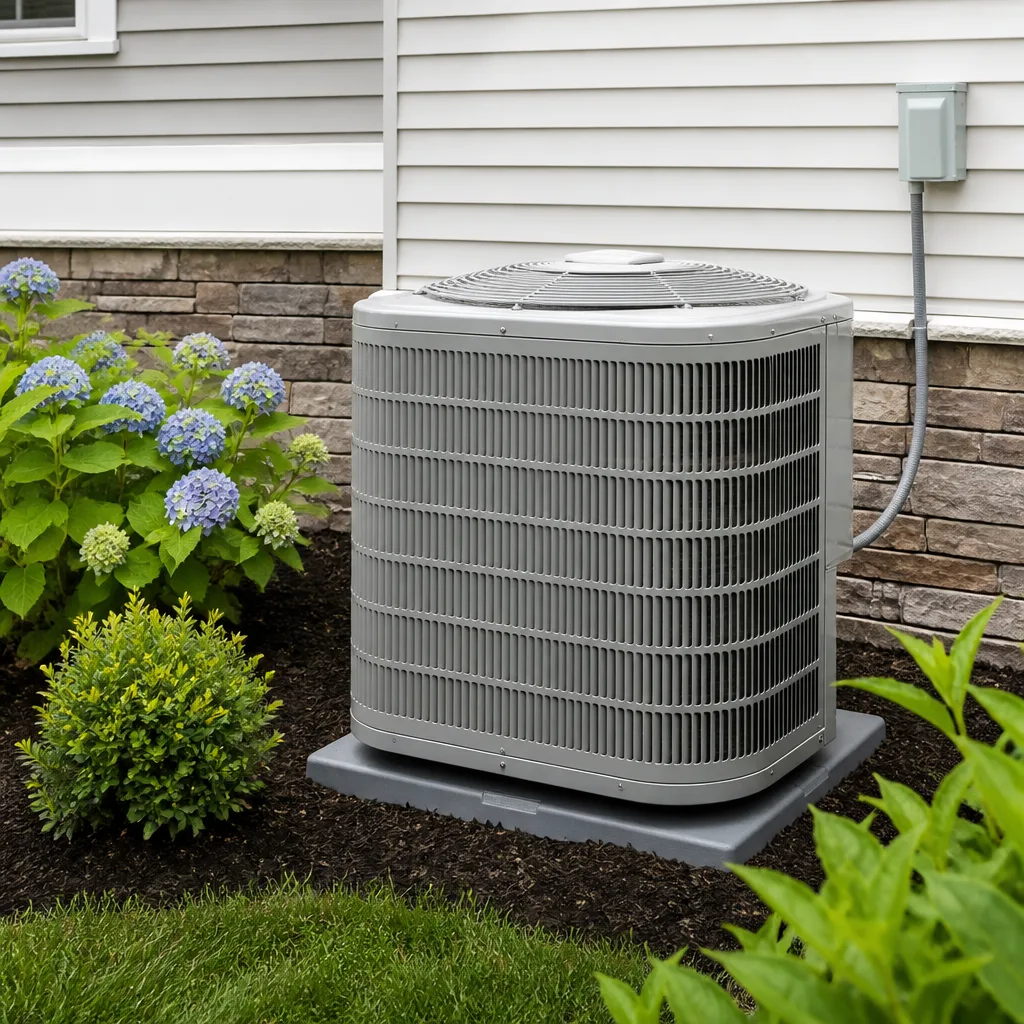
4. Outdoor Condenser Coil Cleaning
Cost to DIY: $15 to $30 for coil cleaner and a hose. Pro cost: $150 to $300 for a professional coil cleaning. Frequency: twice a year, once before cooling season and once before heating season if you use a heat pump. Your outdoor unit, the big metal box outside, pulls air through the condenser coil to release heat. Over time, dust, leaves, grass clippings, and Woodland Hills wildfire ash buildup on the coil and choke airflow. Shut off the breaker to the unit, spray the coil with a foaming coil cleaner from any hardware store, let it sit for 10 minutes, and rinse with a garden hose using light pressure. Never use a pressure washer. The fins are thin aluminum and will fold flat under real pressure.
5. Clearance and Debris Removal Around the Outdoor Unit
Cost to DIY: $0. Pro cost: $85 to $130 for a service call. Frequency: check every month during leaf-drop season and after any wind event. Your outdoor unit needs at least 18 to 24 inches of clearance on all sides to pull in air properly. Trim back bushes, remove stacked firewood, and clear fallen leaves and debris from inside the unit’s footprint. In Woodland Hills, where many homes have eucalyptus and oak trees, this is a bigger issue than most homeowners realize. A unit choked by leaves works harder, runs longer, and dies years earlier than it should.
6. Circuit Breaker Resets
Cost to DIY: $0. Pro cost: $75 to $100 for a service call if that’s all it turns out to be. Frequency: as needed, but no more than once per event. If your AC stops running entirely, check the breaker panel before calling anyone. ACs typically have a dedicated 240-volt double-pole breaker. Flip it fully off, wait 30 seconds, flip it back on. If it trips again immediately or within a few minutes, stop resetting it. A breaker that keeps tripping is protecting you from an underlying electrical fault, and repeated resets risk damage or fire. Call a pro.
7. Furnace Flame Sensor Cleaning
Cost to DIY: $5 for emery cloth or a dollar bill as a substitute in a pinch. Pro cost: $120 to $200 for a furnace tune-up visit. Frequency: once a heating season, usually October or November before the first cold snap. The flame sensor is a thin metal rod that sits in front of the furnace burner. It confirms that the gas actually ignited. When it gets coated with carbon, it fails to sense the flame and the furnace shuts down as a safety measure. Removing it is typically a single screw. Gently rub the rod with emery cloth until clean, then reinstall. This is one of the most common furnace failures in Woodland Hills in early winter, and it’s one of the easiest fixes. The furnace’s gas valve and burners stay untouched.
8. Smart Thermostat Installation (with One Big Caveat)
Cost to DIY: $120 to $250 for the thermostat itself. Pro cost: $250 to $500 including the thermostat and labor. Frequency: one-time. Smart thermostats like Nest, Ecobee, and Honeywell T9 are genuinely DIY-friendly most of the time. The caveat: if you do not have a C-wire (common wire) running to your thermostat, which many Woodland Hills homes built before 1995 lack, you may need to install the included power extender kit at the furnace control board. That means opening the furnace cabinet, which is where the line between DIY and pro gets real. If your existing thermostat wiring has five wires or more, you’re fine. If it has fewer than four, call a pro. Halden Heating and Air Woodland Hills does this installation routinely, and the $200 to $300 in labor is cheap insurance against miswiring a system you depend on.
The Warranty Reality: What Your Manual Really Says
Here’s where the DIY conversation usually goes wrong. Most homeowners think a manufacturer warranty only covers factory defects. The truth is that warranty coverage is conditional, and the conditions are written in language that quietly assumes professional service. Missing this detail is expensive.
Take a typical Carrier warranty: “This warranty applies only to products installed by a state-licensed HVAC contractor and serviced by qualified personnel.” Or a Lennox warranty clause: “Failure to perform required maintenance by a qualified technician may void this limited warranty.” Or a Trane warranty condition: “Damage caused by improper installation, unauthorized modification, or use not in accordance with the product’s operating instructions is not covered.”
The pattern is the same across Rheem, York, Daikin, Bryant, Goodman, and American Standard: the warranty covers the parts, but only if a licensed professional installed and serviced the equipment. Here is the exact scenario we see repeatedly in Woodland Hills:
A homeowner buys a new AC in 2021. It comes with a 10-year parts warranty. In 2024, the compressor fails. The homeowner files a warranty claim. The manufacturer sends an inspector, or asks the installing contractor for service records. The homeowner did a self-installed evap coil cleaning in 2023 and recharged the system with a can of refrigerant they bought online. The claim is denied. The homeowner now pays $2,500 to $4,000 out of pocket for a compressor replacement that would have been covered under warranty. The can of refrigerant cost $45.
The Specific Warranty-Killing Mistakes
- Installing aftermarket parts not approved by the manufacturer: a “universal” capacitor from Amazon may work for a while, but when the compressor burns out two years later, the manufacturer will point to the unapproved part and deny the claim.
- Skipping annual professional maintenance: most warranties require proof of annual maintenance by a licensed technician. Homeowners who do their own “tune-ups” cannot provide the documentation the manufacturer wants.
- Adding refrigerant without a license: this voids the warranty instantly and exposes you to federal penalties.
- Electrical modifications: installing a DIY hard-start kit or rewiring a compressor to bypass a faulty capacitor voids the warranty. The manufacturer will know.
The takeaway is simple: the tasks in the previous section, air filters, drain lines, coil cleaning, thermostat batteries, do not void warranties. They align with what manuals describe as “homeowner maintenance.” The moment you cross into anything that requires opening the system, changing wiring, or touching refrigerant, you are no longer doing maintenance. You are doing repair, and repair is what the warranty expects a licensed contractor to perform.
The Middle Path: Hybrid Work That Cuts Labor Costs
Most DIY-vs-pro discussions frame it as binary: either you do everything yourself or you hire someone for everything. The reality for smart Woodland Hills homeowners is a third option: do the prep work yourself and hire a pro for the licensed or technical portion. This cuts labor time, which cuts cost, without crossing any legal or warranty lines.
Scenario 1: The Condenser Deep Clean
You clear all the debris around the outdoor unit, remove the machine screws from the top grille, and gently clean the exterior coils with a hose and coil cleaner. You then call a pro to remove the top fan assembly, clean the interior coils properly, check the refrigerant pressures, and replace the capacitor if needed. You save the $85 to $130 trip-and-clearing charge while the pro handles the technical work that requires gauges and electrical testing.
Scenario 2: The Drain Pan Replacement
On some systems, the condensate drain pan is accessible with basic tools. You remove the access panel, pull the old drain pan, shop-vac the area, and install the replacement pan. You then call a pro to connect the new drain line fittings and verify proper drainage under operation. The labor you save is unskilled removal and clearing; the labor you pay for is the part that affects system performance.
Scenario 3: The Smart Thermostat Install
You run the new thermostat wire. Not connect it, just run it. Fishing a new 18/5 wire bundle from the thermostat location down to the furnace cabinet is the most time-consuming part of a smart thermostat install. Hiring an electrician or HVAC tech to do the fishing can take 2 to 3 hours. If you run the wire yourself and leave both ends accessible, the pro connects it in 30 to 45 minutes. You save $150 to $250 in labor. Halden Home handles these hybrid projects regularly; the customer does the low-risk grunt work, our tech does the final connection and testing, and the written guarantee covers the whole job.
The One Rule for Hybrid Work
Always agree with the contractor beforehand about what you will do and what they will do. Do not show up at the appointment having already disassembled a unit; the technician will either refuse to touch it or charge you to put it back together. Call first, describe your prep work, and confirm the plan. The written price you get before work starts should reflect the labor reduction.
DIY vs Pro: Real Cost Comparison for Woodland Hills
Numbers are the only way to make this decision honestly. Here is what we see across Woodland Hills service areas year over year:
| Task | DIY Cost | Pro Cost (Woodland Hills range) | Annual Savings (DIY) |
|---|---|---|---|
| Air filter replacements (4x/year) | $40 to $100 | $276 to $480 | $236 to $380 |
| Thermostat battery change | $3 to $10 | $75 to $120 | $72 to $110 |
| Drain line flush (monthly vinegar, 6 months) | $12 to $30 | $600 to $1,200 | $588 to $1,170 |
| Condenser coil cleaning (2x/year) | $30 to $60 | $300 to $600 | $270 to $540 |
| Debris clearing around unit | $0 | $85 to $130 per visit | $85 to $130 per event |
| Flame sensor cleaning (1x/year) | $5 to $15 | $120 to $200 | $115 to $185 |
Total realistic annual savings for a homeowner who does the eight safe tasks consistently: $300 to $800, with $400 to $500 being typical for a Woodland Hills home with moderate landscaping and one or two pets. That is real money, and none of it requires touching refrigerant, opening electrical panels, or risking a warranty.
The flip side: a single botched DIY repair that causes compressor damage runs $2,500 to $4,000 to replace. A refrigerant leak left unrepaired because a homeowner tried a “leak sealant” and made it worse runs $1,800 to $3,500. A botched capacitor install that shorts out the control board runs $500 to $1,200. The asymmetry is stark: the safe tasks save you hundreds; the unsafe attempts cost you thousands.
The Decision Tree: Symptom, Age, Warranty, Recommendation
When your system acts up, walk through this decision tree before grabbing a wrench or dialing a phone. It asks three questions in order: what is the symptom, how old is the equipment, and is it under warranty. The answers produce a clear recommendation.
- Is the system not running at all? Check the thermostat battery and the breaker. If both are fine, call a pro. Electrical failures in the control circuit, capacitor, or compressor are not DIY territory.
- Is the system running but not cooling or heating properly? Check and replace the air filter, then check for ice on the indoor coil. If the filter was filthy and the coil was frozen, replace the filter, set the system to fan-only for two hours, and restart. If it cools again, you solved it. If not, call a pro. Continued poor cooling with a clean filter usually means a refrigerant issue or a failing compressor.
- Is water pooling around the indoor unit? Check the drain line. Flush it with vinegar or a wet/dry vacuum. If water backs up again within days, call a pro. The clog may be deeper in the line or the pan may be cracked.
- Is the system short cycling (turning on and off every few minutes)? Turn it off. Clean the condenser coil and check the filter. If it still short cycles, call a pro. Short cycling is a symptom of serious problems, including an overcharged system, a bad capacitor, or a failing compressor.
- Is the furnace making a burning smell or banging noise? Turn it off at the thermostat and the breaker. Leave it off. Call a pro immediately. This is gas-related and potential carbon monoxide territory. Do not attempt diagnosis.
- Is the equipment under 5 years old and still within warranty? Always call a pro. Any DIY work beyond the safe maintenance list is warranty suicide. Pay the service call and let the warranty cover the parts.
- Is the equipment over 12 years old and out of warranty? The DIY math changes. Out-of-warranty repair costs are fully on you, so the eight safe tasks become more valuable. But the line at refrigerant, electrical, and gas work is unchanged, and for repairs beyond your legal ability, we would rather give you a straight repair-or-replace number than have you spend $400 on parts for a condemned system.
- Is the equipment 15 years or older with a failed compressor or heat exchanger? Do not repair. Do not DIY. Replace. A new system in Woodland Hills runs $8,000 to $16,000 depending on efficiency and brand, and the new system will come with a fresh full warranty and dramatically lower energy bills. Halden Heating & Air offers flat written quotes before any replacement work begins.
Woodland Hills Climate Factors: Why They Matter
Woodland Hills sits in the San Fernando Valley, specifically in the western corner, and it runs hot. Summer temperatures routinely hit 100°F in August and September, with stretches above 110°F during heat waves. This shapes the DIY conversation in two ways. First, your AC is not optional; it is a survival system. In July, a dead AC means interior temperatures above 95°F within a few hours, which is genuinely dangerous for elderly residents, infants, and anyone with cardiovascular or respiratory conditions. The urgency of AC repair in Woodland Hills has economic and health consequences.
Second, the desert-adjacent air is dry and dusty. Dust infiltrates everything: filters clog faster, coils coat with fine silt, drain lines crust over with mineral deposits. This means the maintenance tasks in the safe list, especially filter replacement and coil cleaning, are not annual items in Woodland Hills. They are 6 to 10 times a year items, and skipping them accelerates system decline. We serve homes in Woodland Hills proper, Walnut Acres, Vista De Oro, and the surrounding neighborhoods, and the pattern is consistent: the systems that fail in August are the ones that skipped May and June maintenance.
Winters are mild here, which creates a different dynamic. Many Woodland Hills homes run heat only sporadically, and furnaces sit unused from March to November. The flame sensor cleaning we mentioned earlier is unusually important in this climate precisely because the furnace sits idle for eight months, giving carbon and oxidation time to build up without the heat cycles that would burn it off.
Common Mistakes to Avoid
- Buying refrigerant online and “topping off” the system yourself. This is illegal under federal law, voids your warranty, and is a felony in California. There is no wiggle room.
- Using a pressure washer on the condenser coils. The sheer force folds the aluminum fins flat, permanently reducing airflow and efficiency. Once the fins are crushed, the coil cannot be repaired, only replaced.
- Ignoring a tripped breaker and just pushing it back on repeatedly. A breaker trips because of an electrical fault. Resetting it over and over is how compressors burn out and fires start.
- Replacing a capacitor with a “close enough” universal part from Amazon. Wrong microfarad ratings destroy compressors. The $20 savings becomes a $3,500 mistake.
- Believing a “leak sealant” in a can will fix a refrigerant leak. These products clog compressors, expansion valves, and metering devices. They turn a $400 leak repair into a full system replacement.
- Doing electrical work inside the air handler because “the power is off at the thermostat.” The thermostat does not kill line voltage. The 240-volt feed to the air handler is live unless the breaker is off.
- Delaying service call when the system is freezing up. Ice on the coil means something is wrong. Running a frozen system for days destroys the compressor. The longer you wait, the more expensive the repair.
When to Call a Professional
You know it’s time to call when any of these conditions are true: the system uses refrigerant and is not cooling, the breaker trips more than once, the furnace smells like gas or burning, there is water pooling you cannot resolve from a clogged drain, or the equipment is under warranty. In any of these cases, the potential cost of a DIY attempt exceeds the cost of a service call many times over. In Woodland Hills, the going rate for a diagnostic visit runs $89 to $149, and that fee is typically applied toward the repair. Halden Heating & Air offers free estimates for repair in Woodland Hills, and every job gets a written price before work starts. You can also find more guides & resources on our blog to keep your system running smoothly year-round. You can reach a live person 24 hours a day at (559) 245-8195.
If you do want to explore a hybrid approach, call first. Describe the work you’re willing to do, ask what it would remove from the labor line, and confirm the plan before the tech arrives. Some of our best working relationships in Woodland Hills started with a homeowner who ran their own thermostat wire.
Frequently Asked Questions
No. Recharging any residential AC system with refrigerant requires an EPA Section 608 certification, and doing it without the certification is a federal violation with fines starting around $37,500 per day. There are no exceptions for homeowners.
You can replace air filters, change thermostat batteries, flush the condensate drain line with vinegar, clean the condenser coils with a garden hose, clear debris around the outdoor unit, reset a circuit breaker, and clean the furnace flame sensor. These tasks are explicitly described as homeowner maintenance in most manufacturer manuals and do not void warranty coverage.
No, for the maintenance tasks listed above. Yes, for anything beyond that. Most manufacturers require that repairs and system modifications be performed by a state-licensed HVAC contractor, and they will deny warranty claims if they find evidence of unauthorized work.
A diagnostic service call in Woodland Hills typically runs $89 to $149, with most companies applying the diagnostic fee toward the repair. Halden Heating & Air provides written upfront pricing on every job and a free return visit if the repair fails.
If the system is under 8 years old and under warranty, have the compressor replaced through the warranty. If the system is over 12 years old and out of warranty, a compressor replacement runs $2,500 to $4,000, and a full system replacement in Woodland Hills runs $8,000 to $16,000. At that age, the replacement is almost always the better financial decision, especially with current energy efficiency standards.
Usually yes, if your existing thermostat wiring includes a C-wire or at least five wires. If you have an older home with fewer than four wires at the thermostat, call a pro; the installation will involve the furnace control board, which is low-voltage electrical work. Halden Heating & Air installs smart thermostats including Nest, Ecobee, and Honeywell models.
The Bottom Line
The DIY-vs-pro HVAC decision comes down to a clean dividing line. On one side: the eight safe maintenance tasks that save Woodland Hills homeowners $300 to $800 a year and keep systems running longer. On the other side: refrigerant handling, electrical work, gas work, and anything that voids a manufacturer warranty. The law is clear: refrigerant belongs to licensed professionals, full stop. The warranty language is clear: unauthorized work voids coverage, full stop. The money is clear: safe DIY saves hundreds, unsafe DIY costs thousands. For everything on the professional side, and we have been doing this in Woodland Hills since 2004, the smart call is a company that puts the price in writing before work starts. For Halden Heating and Air Woodland Hills home services, AC Repair in Woodland Hills, AC Installation in Woodland Hills, and Furnace Repair in Woodland Hills, call (559) 245-8195. A live person answers, every time, and you will know the price before any tool is picked up.
Written by Andre Fuller, Owner at Halden Heating and Air Woodland Hills, serving Woodland Hills since 2004.
See the difference
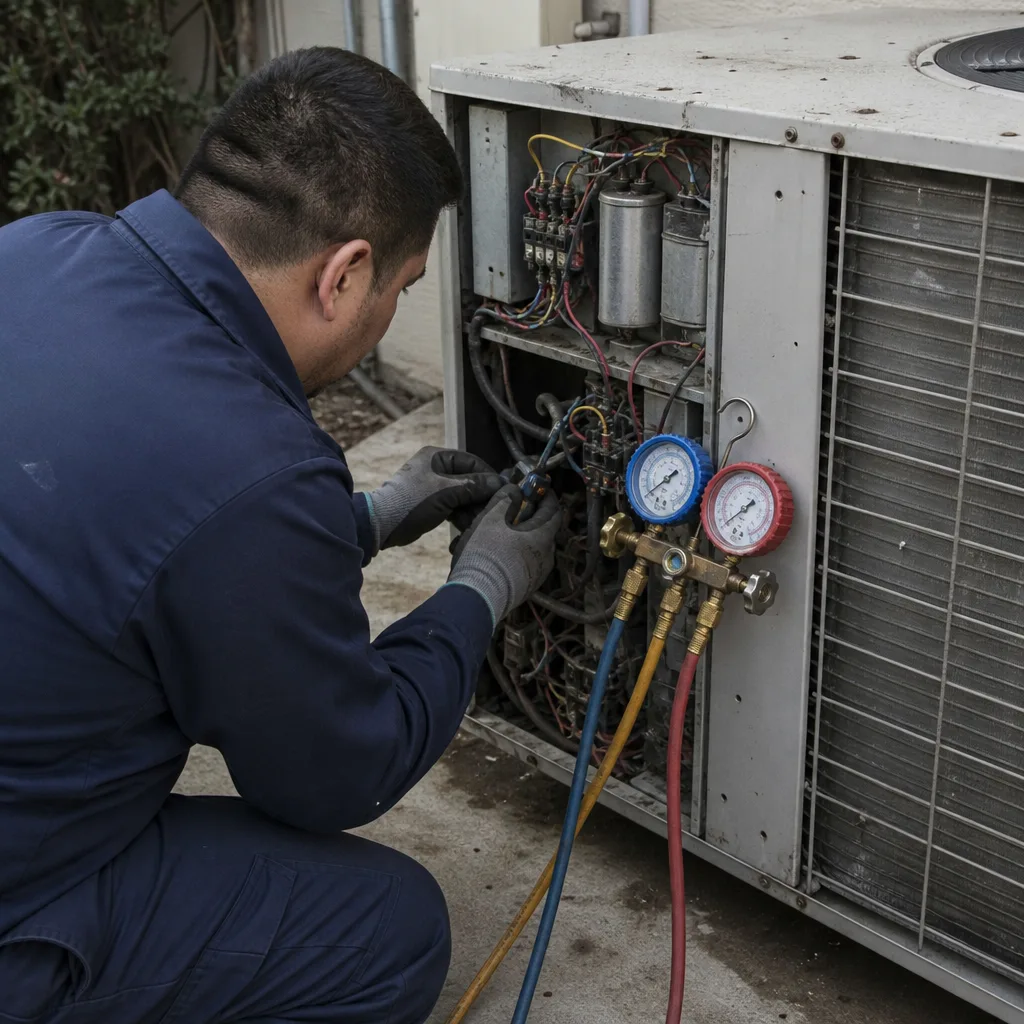 Before
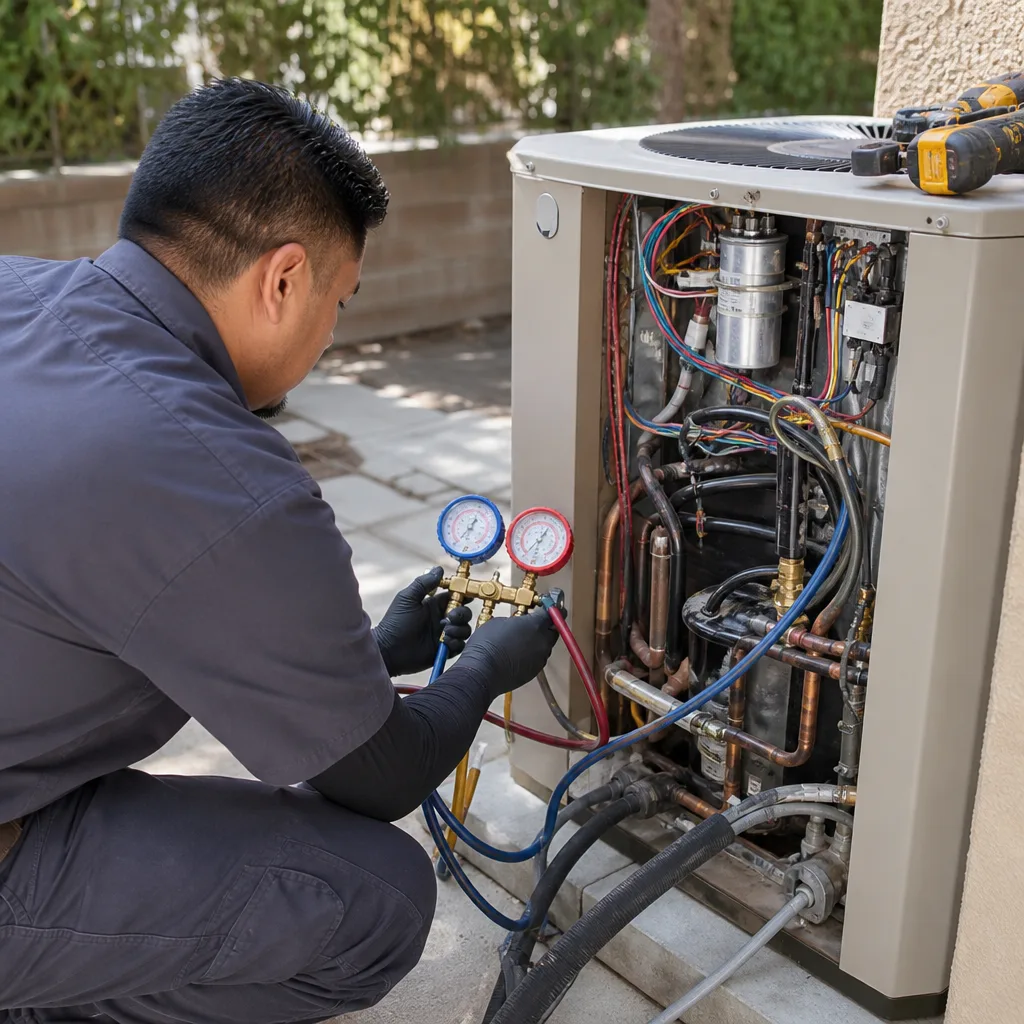 After
After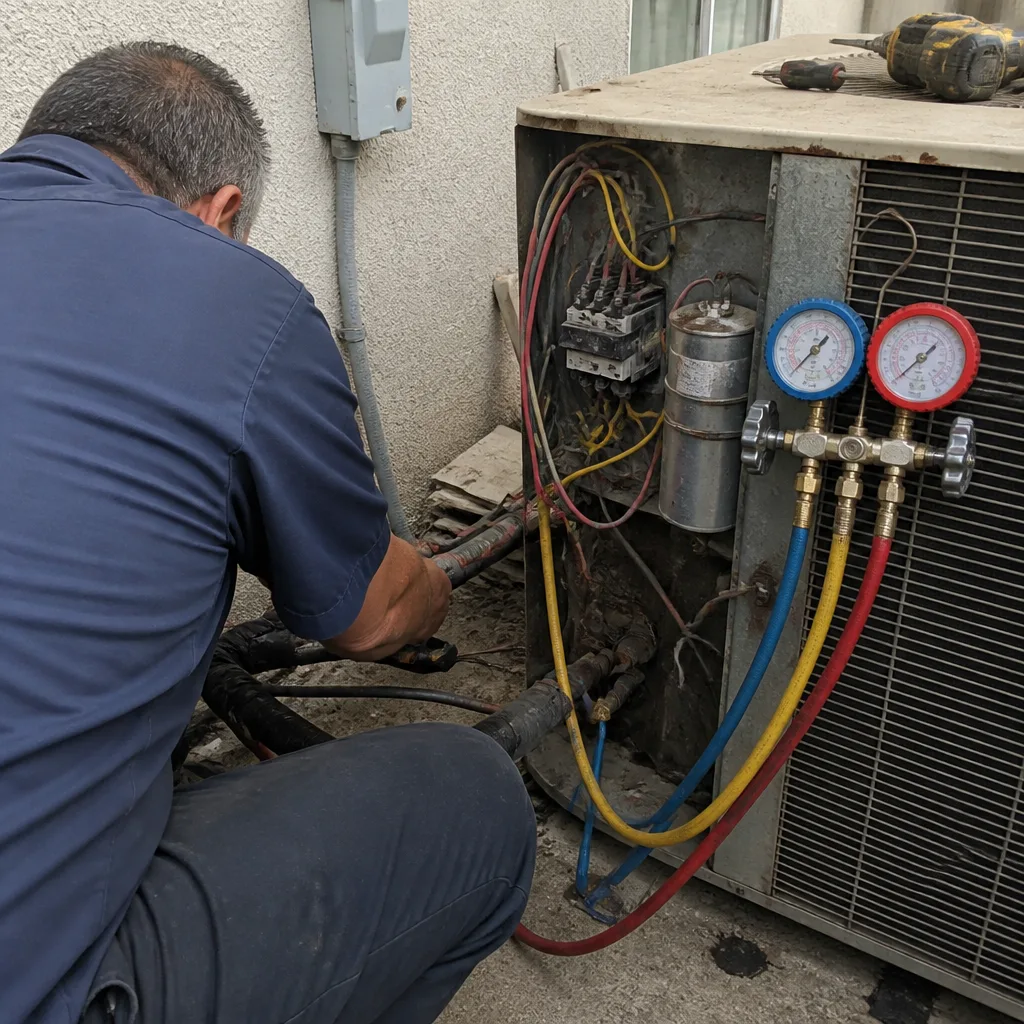 Before
 After
After Before
 After
After