
Last updated October 16, 2026
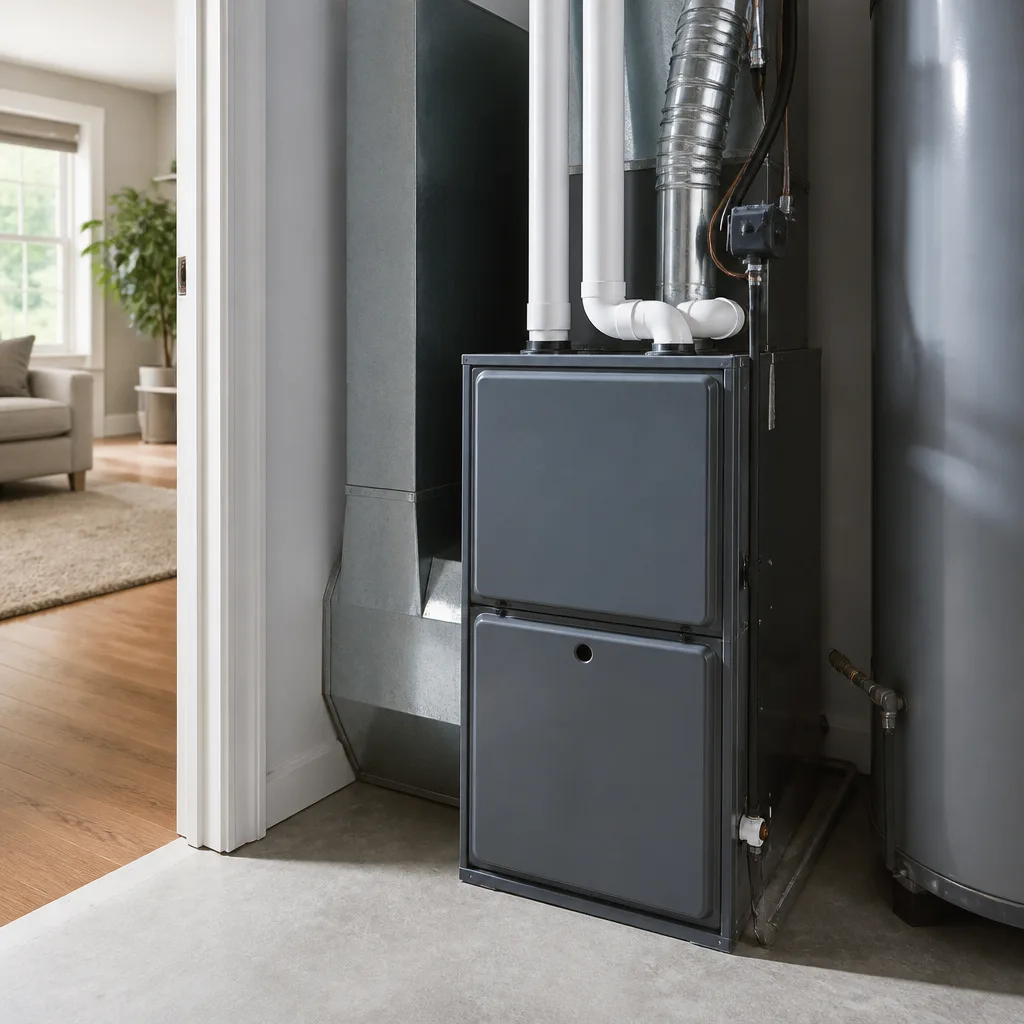 Furnace & heating
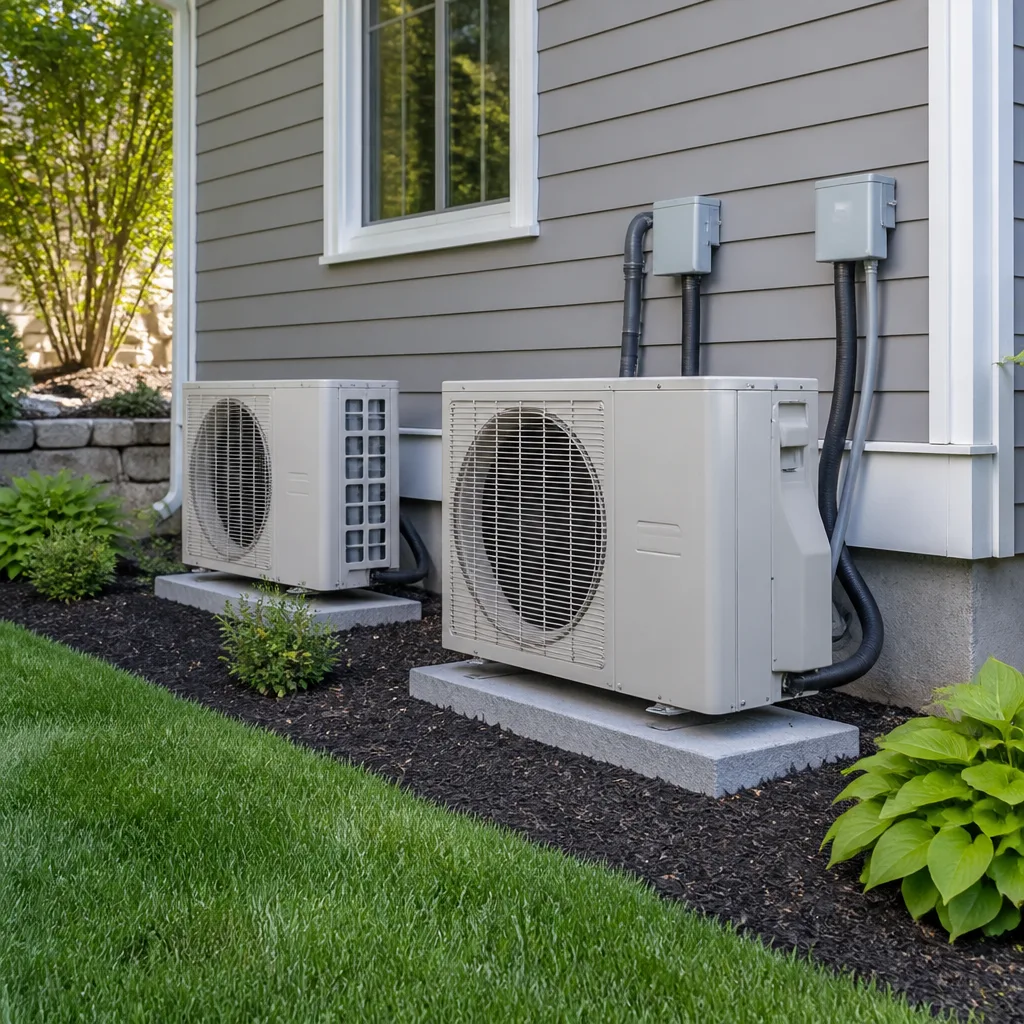 Heat pumps
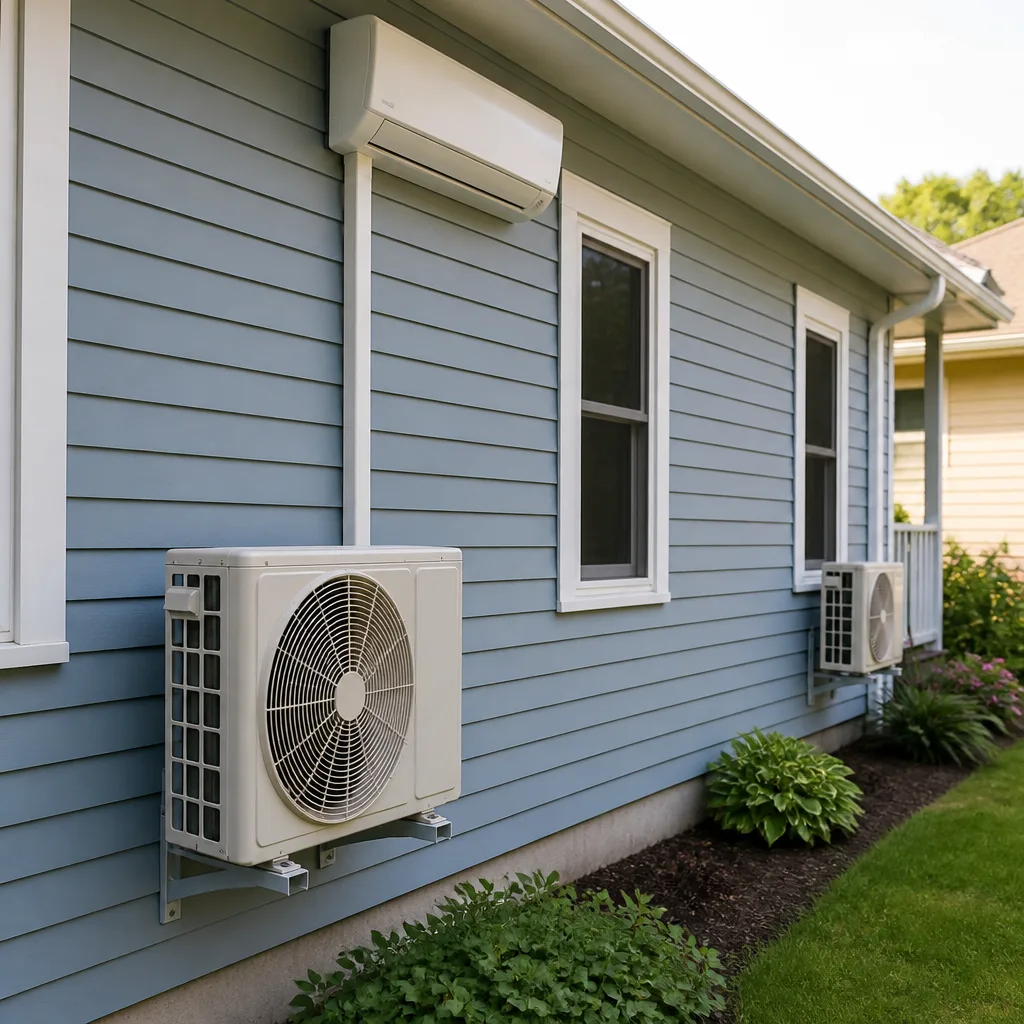 Ductless mini splits
 Carrier
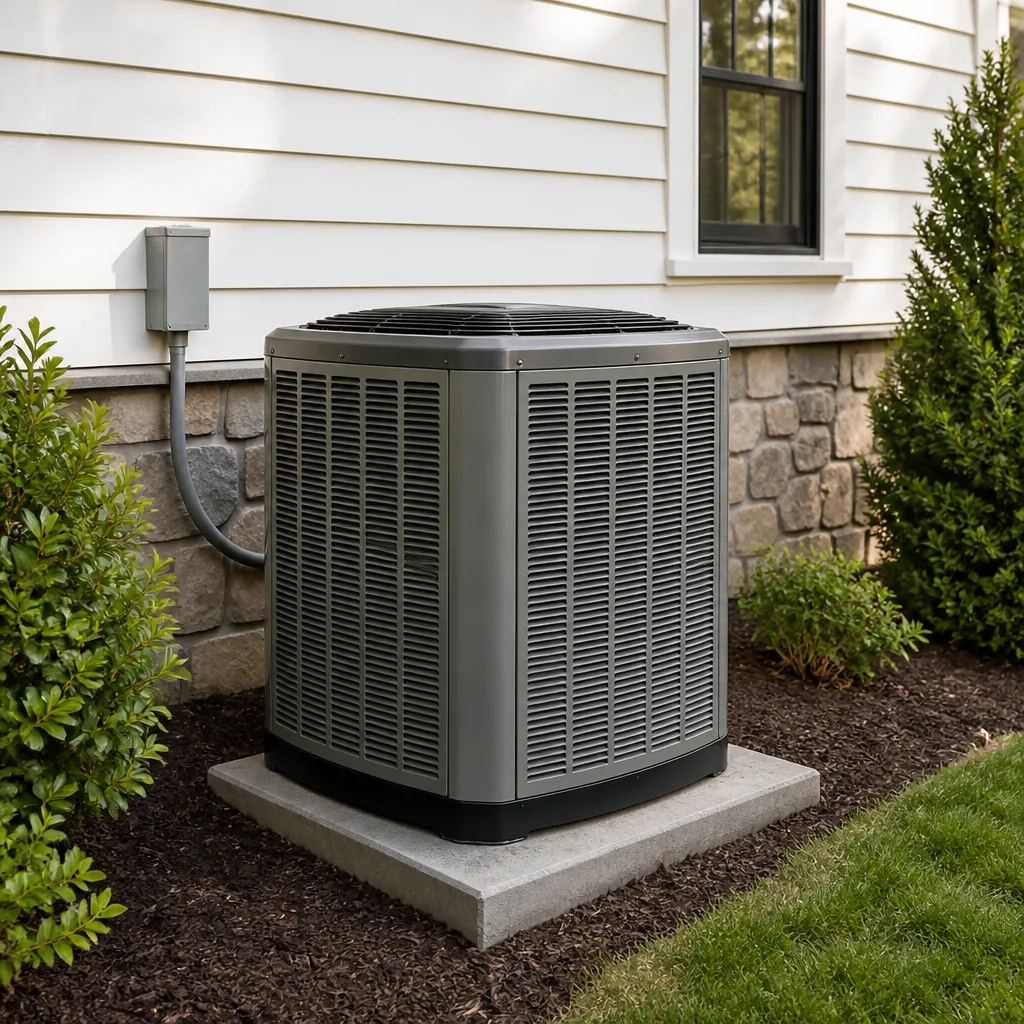 Trane
TraneSeasonal tune-up and full diagnostic on your Carrier, Trane, or Goodman system - readings shown to you before any repair is proposed
Diagnosis first, numbers second - you approve the repair price before a single part goes in.
Get your free estimateHVAC Cost Breakdown: The Woodland Hills Homeowner’s Reference for 2026
A $3,200 AC repair quote and a $7,100 quote for the same broken Woodland Hills compressor can both be legitimate. Not because one contractor is honest and the other isn’t, but because each bundles parts, labor, permits, and warranties differently, making apples-to-apples comparison nearly impossible for a homeowner who just wants cold air back. This guide tears apart the six most common HVAC jobs line by line, with real 2026 Woodland Hills pricing, so you can spot what’s missing, what’s padded, and what’s fair before you sign anything. For more guides & resources, see our full blog.
Quick Answer
HVAC costs in Woodland Hills for 2026 range from $95 to $200 for a seasonal tune-up, $150 to $500 for most repairs like capacitors or contactors, $250 to $900 for a refrigerant recharge, and $7,500 to $16,500 for a full split-system installation depending on brand tier, home size, and efficiency rating. The single biggest factor in final price is not the equipment but how the contractor defines scope: what’s included, what’s extra, and what warranty actually covers. Always require a written, line-item quote before work starts.
Styles & brands we work with
Table of Contents
- Tune-Up Costs in Woodland Hills: What a Maintenance Visit Actually Costs
- Capacitor Replacement: The $200 Fix That Quotes Like a $600 Job
- Refrigerant Recharge: Why the Price Per Pound Keeps Climbing
- Coil Cleaning: The Most Overlooked Repair in Woodland Hills
- Blower Motor Replacement: Parts, Labor, and the Hidden Diagnostic Fee
- Full System Replacement: A Line-by-Line Breakdown of a $10,000 Invoice
- Brand Tiers: What Lennox, Goodman, Rheem, and York Actually Cost Over 10 Years
- Financing Math: What That $0-Down Loan Really Costs Over 5 Years
- Quote Comparison Worksheet: Normalizing Three Bids Onto the Same Scope
Tune-Up Costs in Woodland Hills: What a Maintenance Visit Actually Costs
In Woodland Hills, a seasonal AC tune-up runs between $95 and $200 per system in 2026. The range exists because some companies use the low price as a foot-in-the-door and then stack “recommended” repairs on top, while others include the inspection, coil cleaning, drain clearing, and capacitor testing in a single flat rate. The low-number quote is not automatically the better deal.
A proper tune-up on a split system in the San Fernando Valley should take 60 to 90 minutes, not 20. It should include:
- Checking refrigerant pressure and measuring temperature differential at the supply and return vents
- Testing the capacitor to catch weakening before it fails mid-August
- Clearing condensate drain lines, which clog regularly in Woodland Hills due to dust and rapid temperature swings
- Cleaning or replacing the air filter, though replacement filters are usually billed separately at $10 to $30
- Inspecting electrical connections and tightening anything loose that could arc or overheat
Ask whether the price includes a written report of actual readings and measurements, not just a checklist. A report with refrigerant pressures, amp draws, and temperature splits is what separates a real tune-up from a sales call disguised as maintenance.
Capacitor Replacement: The $200 Fix That Quotes Like a $600 Job
The capacitor is the small cylindrical component that gives your compressor and fan motor the starting jolt they need every time the system cycles on. In Woodland Hills, replacing a standard dual-run capacitor costs between $150 and $400 total, including the part and labor. A premium brand capacitor might push the high end to $450, but anyone quoting above $500 for a straightforward capacitor swap is padding the invoice or bundling in work you didn’t ask for.
The part itself retails for $15 to $60 depending on voltage and brand. The rest is labor, diagnostic time, and the contractor’s minimum service call, which in the 91364 and 91367 ZIP codes typically runs $75 to $125. That’s the floor: even a 20-minute job carries a minimum charge because the technician has to travel, diagnose, and guarantee the work.
Watch for quotes that lump a capacitor replacement into a “summer readiness package” with a $300 tune-up. If your capacitor tested weak during a tune-up and you’re already paying the diagnostic fee, the replacement should be straightforward and itemized separately. AC repair in Woodland Hills should never feel like a mystery box. The fewer line items, the less you can compare, which is exactly how some contractors want it.
Refrigerant Recharge: Why the Price Per Pound Keeps Climbing
Recharging a residential AC system in Woodland Hills costs between $250 and $900 in 2026, and the single biggest variable is what refrigerant your system uses. Older systems running R-22, which has been phased out by federal regulation for over a decade, now pay $150 to $300 per pound for the refrigerant alone, when they can find it. Newer systems using R-410A run $40 to $80 per pound, though even R-410A is being phased down in favor of lower-global-warming options like R-32 and R-454B.
A typical residential system holds 5 to 15 pounds. A full recharge on an R-22 system can hit $1,800 before labor, which is why many Woodland Hills homeowners choose replacement over recharge once an R-22 system develops a leak. We regularly tell customers who bought their homes in the mid-2000s in neighborhoods like Walnut Acres or south of Ventura Boulevard that their R-22 system faces a cost cliff.
Important: a recharge is not a repair. If your system is low on refrigerant, it has a leak. A technician who recommends topping off without finding and fixing the leak is setting you up to pay the same bill again next season. Leak detection adds $100 to $300 to the job, and the repair itself depends on location and severity. This is one area where a written quote matters enormously: the per-pound price should be stated before work begins, not after the system has been opened.
Coil Cleaning: The Most Overlooked Repair in Woodland Hills
In Woodland Hills, dust and wildfire particulates do a number on evaporator and condenser coils. An evaporator coil cleaning, which typically requires removing the coil or using a chemical foaming agent in place, runs $250 to $600. Condenser coil cleaning on the outdoor unit runs $150 to $350 as a standalone job. Both can be needed annually depending on tree cover, construction nearby, and how often you run the system.
A coil caked in grime cannot transfer heat efficiently. The system runs longer cycles, the compressor works harder, and your electric bill climbs while your airflow drops. In our experience in Woodland Hills, homes within a mile of the 101 or near active construction sites in Warner Center see coils foul twice as fast as homes tucked into the hills above Mulholland.
When the coil is accessible, cleaning it is routine. When it’s not, the cost jumps because the job turns into a half-day disassembly. Ask your contractor whether the quoted price includes removing the coil or treating it in place. A $250 in-place chemical clean is very different from a $500 removal-and-wash, and a written description of the method should tell you which one you’re actually buying.
Blower Motor Replacement: Parts, Labor, and the Hidden Diagnostic Fee
The blower motor is what pushes conditioned air through your ducts. When it fails, you’ll hear nothing or almost nothing, and your registers will barely breathe. In Woodland Hills, replacing a standard single-speed PSC blower motor runs $350 to $750 installed. Replacing a variable-speed ECM blower motor, common in higher-efficiency systems from brands like Lennox and Rheem, runs $700 to $1,400 installed, because the motor itself is a $400 to $800 part.
The cost includes the motor, the labor to remove and reinstall the blower assembly, and usually a capacitor or control module if it failed alongside. Most companies charge a diagnostic fee of $75 to $125 to confirm the failure, though some apply that fee toward the repair if you proceed. Always ask whether the diagnostic fee is credited. It’s a small line item that tells you a lot about how a contractor prices honesty.
This is also a repair where age matters. If your furnace or air handler is 15-plus years old, putting $900 into a blower motor means you’re spending 10 percent of a new system’s cost on a component inside a unit that may fail elsewhere next year. We tell Woodland Hills homeowners to weigh the motor replacement against the condition of the rest of the system before writing the check.
Full System Replacement: A Line-by-Line Breakdown of a $10,000 Invoice
A full split-system installation in Woodland Hills, meaning a new condenser, evaporator coil, and furnace or air handler, runs $7,500 to $16,500 in 2026. The range is enormous, and it has less to do with brand than with the house: ductwork condition, existing line set compatibility, the need for a new electrical disconnect, HVAC Permits, Codes & Inspections in CA: What You Need to Know, and whether the old system was installed correctly in the first place.
Here’s what an actual $10,500 mid-tier installation in a 1,800-square-foot Woodland Hills home looks like line by line:
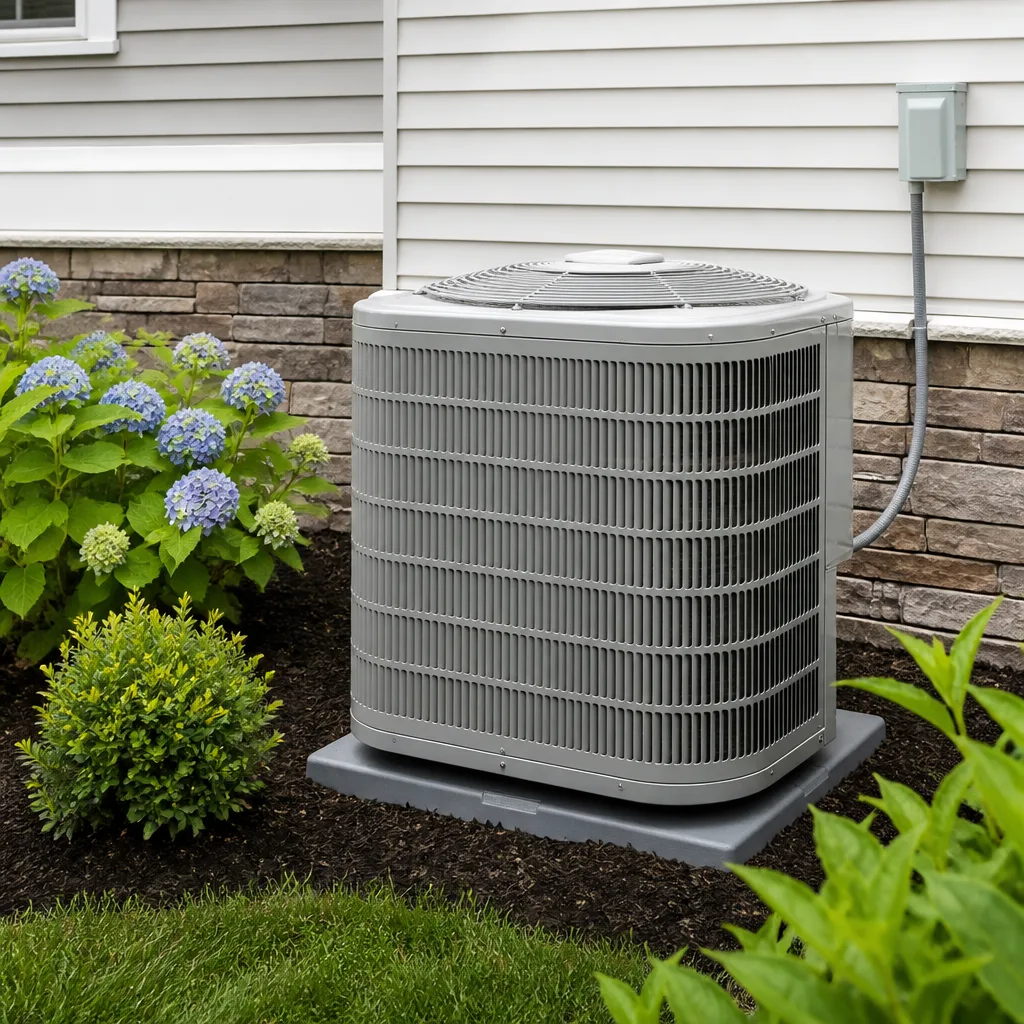
- Condensing unit (3-ton, 16 SEER2): $3,200 – $4,000. This is the outdoor box. Mid-tier brands like Goodman and Rheem sit in this band; Lennox runs higher.
- Evaporator coil: $800 – $1,200. Installed above or beside the furnace, this is the indoor half of the cooling loop.
- Furnace or air handler (80% or 90%+ AFUE): $1,500 – $2,500. Higher AFUE means more efficiency and a higher price.
- Labor (2 technicians, 1 – 2 days): $1,800 – $3,000. Woodland Hills labor rates are among the highest in the San Fernando Valley.
- Permits and inspections: $300 – $600. The City of Los Angeles requires a mechanical permit for a system replacement; some contractors bury this and some don’t pull it at all. A missing permit becomes a problem when you sell the house.
- Disposal and haul-away of old equipment: $150 – $400. Refrigerant recovery is legally mandatory and should be included.
- Line set, duct transitions, pad, whip, disconnect, drainage: $400 – $900. These are the “incidentals” that some contractors quietly add at the end instead of quoting upfront.
- Thermostat: $100 – $400 depending on smart features, though a basic digital unit is sometimes included.
The incidentals line is where comparison shopping breaks down. One contractor quotes $9,800 and then adds $700 in “miscellaneous materials” at the end. Another quotes $10,500 all in. The final bills are almost identical, but the first looked cheaper on paper. AC installation in Woodland Hills should be quoted as a fixed total, not an estimate that drifts.
Brand Tiers: What Lennox, Goodman, Rheem, and York Actually Cost Over 10 Years
Day-one price is the number everyone asks about, but the smarter question is what a system costs over 10 years, counting energy bills, repairs, and parts availability. In Woodland Hills, where July and August highs regularly push past 100 degrees, cooling season runs long, and efficiency differences compound.
Entry-tier equipment, like Goodman’s base series or York’s entry models, typically runs $7,500 to $9,500 installed for a full split system in 2026. The upfront swing is real, but the 10-year cost includes higher energy draw and, on entry models, more frequent minor failures. A Goodman unit installed correctly can run 15 years, but it will use more electricity doing it than a mid-tier unit with a higher SEER2.
Mid-tier equipment, including Rheem’s mid-range and much of Lennox’s Merit and Elite series, runs $9,500 to $13,000 installed. The efficiency bump is meaningful: moving from 14 SEER2 to 17 SEER2 on a 3-ton system in Woodland Hills can save $80 to $160 per summer depending on electricity rates, which in LADWP territory have trended up year over year.
Premium equipment, including Lennox’s top lines and variable-capacity communicating systems, runs $13,000 to $16,500 installed. The efficiency is excellent, and the parts are genuine, but the repair costs on variable-capacity components are higher than the repair costs on a single-stage system. The premium price is partly paying for comfort: quieter operation, better humidity control, and steadier temperatures.
Here’s the 10-year total cost of ownership math, using average Woodland Hills energy usage and 2026 rates:
- Entry tier: $8,500 install + $2,400 energy (10 yrs) + $600 repairs = ~$11,500
- Mid tier: $11,000 install + $1,850 energy + $500 repairs = ~$13,350
- Premium tier: $14,500 install + $1,500 energy + $700 repairs = ~$16,700
The mid-tier is the sweet spot for most Woodland Hills homes, and that’s not a sales pitch. It’s what the math says. Entry-tier saves you at the start and costs you every summer. Premium buys comfort, not necessarily savings.
Financing Math: What That $0-Down Loan Really Costs Over 5 Years
Most HVAC companies in Woodland Hills now offer financing, often marketed as “$0 down, 0% APR for 18 months.” The fine print matters more than the headline. Here’s what a typical 5-year financed deal actually looks like in 2026.
Take a $12,000 system. At a true 0% promotional rate for the full term, which is rare, the monthly payment is $200 and the total cost is $12,000. At a deferred-interest 0% offer, if you don’t pay the full balance within the promotional window, often 12 to 18 months, the interest is calculated retroactively on the entire original balance. That means a $12,000 system becomes $15,500 to $17,000 once the deferred interest kicks in at a 24 to 29 percent annual rate.
Here’s the same $12,000 system under three real 2026 scenarios:
- Pay upfront: $12,000 total. Done. No loan, no interest, no lien paperwork.
- 0% for 18 months, paid off in 18: $667/month, $12,000 total. Fine if you have the cash flow.
- $0 down, 9.9% APR for 60 months: $255/month, $15,300 total. That’s $3,300 in interest, more than 25 percent of the equipment cost.
A home equity line, if you have one, typically runs 7 to 9 percent in 2026 and the interest is potentially tax deductible. That’s often cheaper than contractor financing, but it puts your house on the line, which is a different risk altogether. The point is not that financing is bad. It’s that the “$0 down” number is not the cost. It’s the opening move. Before you sign a financing agreement in Woodland Hills, ask for the total of payments, in writing, next to the cash price.
Quote Comparison Worksheet: Normalizing Three Bids Onto the Same Scope
Three quotes for a system replacement in Woodland Hills will rarely list the same items in the same order, which is exactly why comparison fails. Use this worksheet to put all three on the same page.
- List the equipment by model number, not just brand. “3-ton system” is not a quote. Write down the actual condenser model, coil model, and furnace model from each bid. Different model numbers mean different prices, and sometimes a “good deal” is actually a cheaper, discontinued unit.
- Compare SEER2 and AFUE ratings, not just price. If one bid is 14 SEER2 and another is 17 SEER2, the difference is hundreds of dollars of electricity over a Woodland Hills summer. Normalize by asking each contractor to quote the same efficiency level.
- Write down what’s included beyond equipment. Permits, disposal, line set, thermostat, duct transitions, electrical upgrades. Mark each as included, extra, or not mentioned on every quote.
- Ask whether the quote is fixed or estimated. If it’s an estimate, it can change. If it’s fixed, it shouldn’t. Push for fixed.
- Compare warranty terms side by side. A 10-year parts warranty is standard from most manufacturers when registered by a licensed contractor. Labor warranties vary widely. Write down the labor warranty window from each company, and note whether a return visit after a failed repair costs you anything.
- Check for the permit. In Woodland Hills, a system replacement requires a City of Los Angeles mechanical permit. If a quote doesn’t include it, ask why. If the answer is “you don’t really need one,” walk away.
This worksheet takes 20 minutes and saves thousands. It forces every contractor to define scope, which is the entire battle. At Halden Heating and Air Woodland Hills home, we put the full line-item price in writing before any work begins, because we’d rather compete on clarity than on confusion.
Common Mistakes to Avoid
- Accepting a quote without model numbers. A quote that says “3-ton AC” is not a quote. Demand specific equipment. If a contractor won’t give model numbers, they’re giving themselves room to substitute cheaper gear on install day.
- Selecting the lowest bid without normalizing scope. The $8,000 bid that excludes permits, disposal, and the line set will end up at $10,000 by the time the invoice arrives. Low price without defined scope is a tactic, not a deal.
- Paying for an R-22 recharge without fixing the leak. Topping off an old R-22 system in Woodland Hills is paying a premium for refrigerant that will leak out again. Once an R-22 system is leaking, replacement usually beats repair on a 3-to-5-year timeline.
- Skipping the permit. Unpermitted HVAC work in Woodland Hills can complicate a future home sale and leave you with no recourse if the installation is defective. Permits cost a few hundred dollars and exist for a reason.
- Comparing brands without comparing tiers. A Goodman and a Lennox aren’t direct comparisons unless you’re comparing the same tier. Every major brand has entry, mid, and premium lines, and the tier matters more than the logo.
- Treating deferred-interest financing as free money. If you don’t pay the balance inside the promo window, the interest retroactively applies. Set up autopay to finish before the deadline or choose a straight fixed-rate loan.
- Letting someone work without a written price in your hand. In our view, no price before work starts is a red flag, not a convenience. You should know the number before the truck pulls up, not after the unit is apart.
See the difference
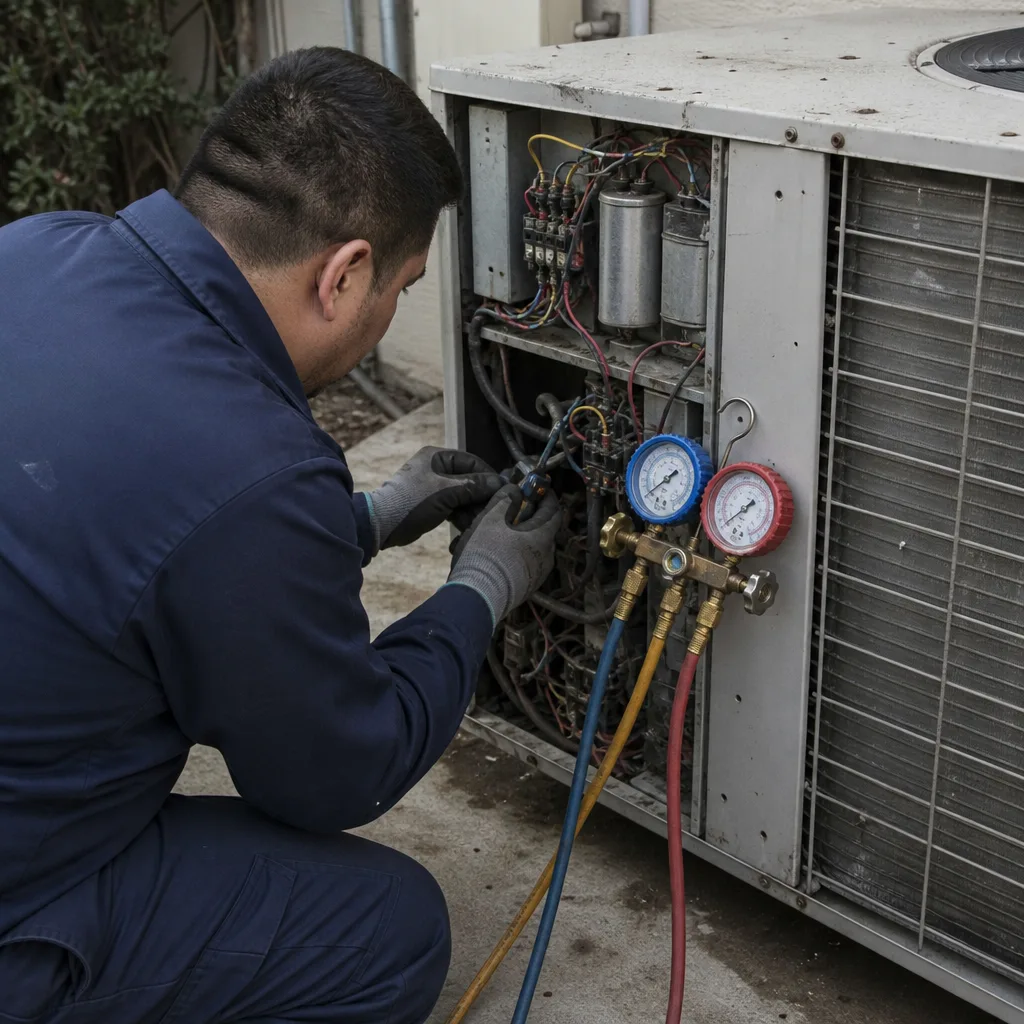 Before
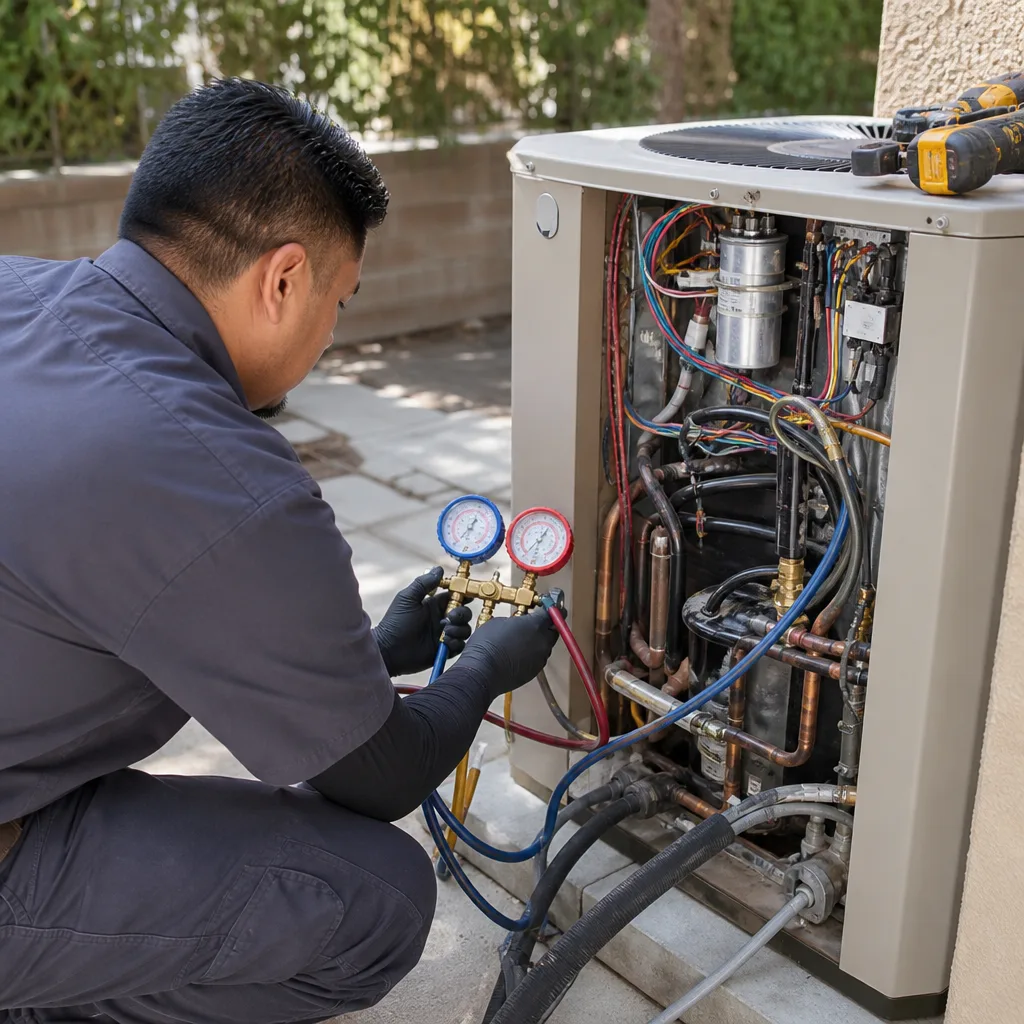 After
After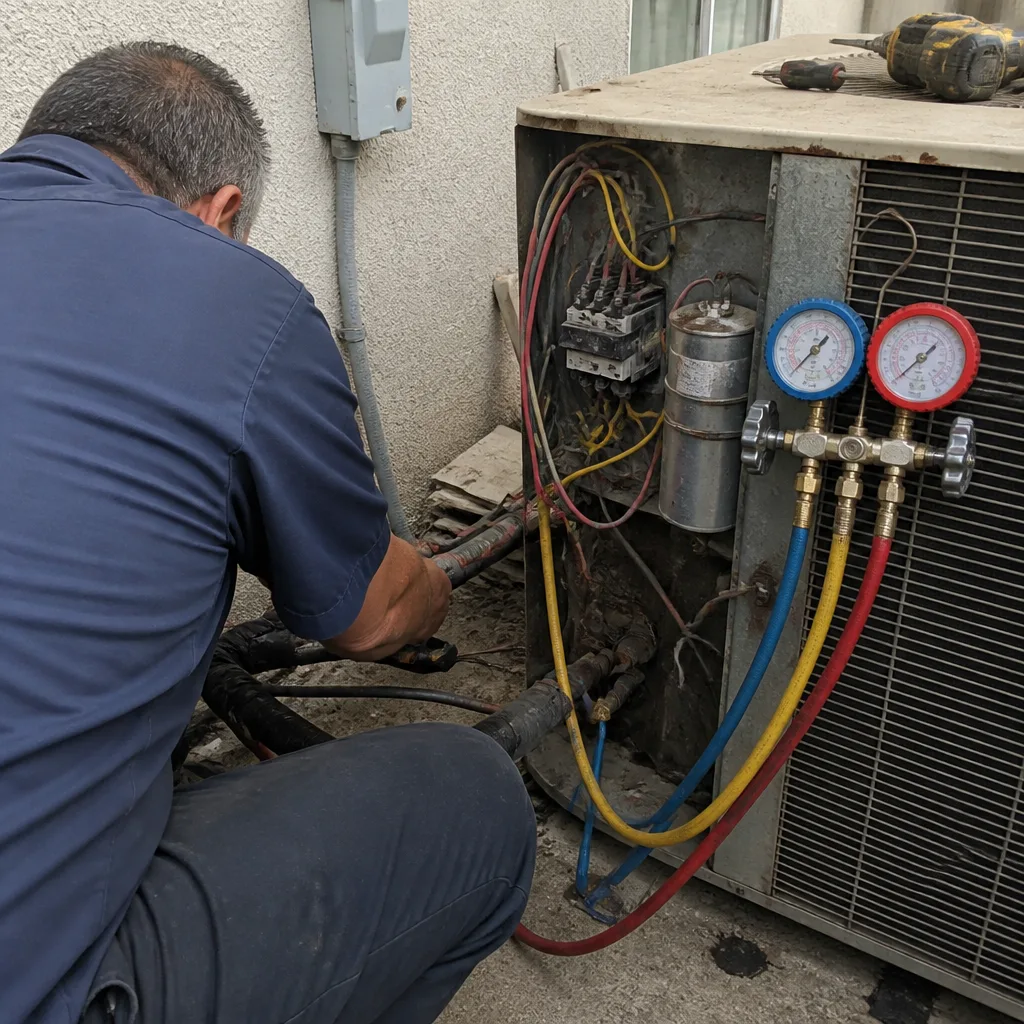 Before
 After
After Before
 After
AfterWhen to Call a Professional
Some things are worth fixing yourself, like changing a filter or clearing weeds from around the condenser. Most of the rest is not. Call a professional if your circuit breaker trips when the AC kicks on, if the system is blowing warm air on a Woodland Hills August afternoon, if you hear a screeching or grinding from the outdoor unit, or if your refrigerant is low enough to suggest a leak. See HVAC Warning Signs: A Woodland Hills Homeowner’s Reference Guide for more detail. These are not weekend projects. Halden Heating and Air Woodland Hills offers free estimates in Woodland Hills. Call (559) 245-8195 and we’ll send a background-checked technician with a live arrival time you can track, plus a written price before anything gets touched.
Frequently Asked Questions
A full split-system replacement in Woodland Hills ranges from $7,500 for entry-tier equipment to $16,500 for premium variable-capacity systems, with most homes in the $9,000 to $13,000 range after permits and labor. The final number depends on capacity, efficiency rating, brand tier, and the condition of your existing ductwork and line set.
Most AC repairs in Woodland Hills run between $150 and $500, covering common failures like capacitors, contactors, and condensate drain clogs, while bigger jobs like blower motors and evaporator coil replacements run $500 to $1,400. Every repair should include a written guarantee; if a company won’t guarantee the fix in writing, get another quote.
Quotes differ because contractors bundle equipment, labor, permits, and incidentals differently, and some leave out line items that others include, making the first number misleadingly low. Normalize every quote by listing exact model numbers, efficiency ratings, what’s included, warranty terms, and whether the price is fixed or estimated.
As a rule, multiply the repair cost by the unit’s age: if a 15-year-old system needs a $1,200 repair, you’re spending money on a unit near the end of its life, while the same $1,200 repair on a 6-year-old system is almost always worth doing. In Woodland Hills, where cooling season runs long, replacement usually wins once the repair reaches a third of a new system’s cost and the unit is past 12 years old.
A $95 to $200 annual tune-up catches weak capacitors, clogged drains, and low refrigerant before they become $500 emergency repairs in the middle of a Woodland Hills heat wave, so yes, it’s worth it as preventive maintenance. For a full schedule, see Seasonal HVAC Care for Woodland Hills: Year-Round Homeowner’s Guide. Just make sure the tune-up includes actual measurements written down, not a 20-minute visual inspection and a sales pitch.
Most furnace repairs in Woodland Hills range from $150 to $600 for common issues like ignitors, flame sensors, and pressure switches, with larger repairs like blower motors or heat exchangers running $600 to $1,500. A heat exchanger failure on an older furnace usually means replacement, since the part alone can top $1,200 and the labor is substantial.
The Bottom Line
HVAC pricing in Woodland Hills is not a mysterious art, but it is a game of definitions. The same job can be quoted $4,000 apart because one contractor includes what another leaves out, and until you force every quote onto the same scope, you’re comparing guesses. Get model numbers. Get efficiency ratings. Get the permit. Get the written fixed price. And get a labor warranty that actually means something. Do that and you’ll pay a fair number, not the number someone hopes you’ll accept. For a free written estimate in Woodland Hills, call (559) 245-8195 and we’ll send you a real number, not a range and a handshake.
Written by Andre Fuller, Owner at Halden Heating and Air Woodland Hills, serving Woodland Hills since 2004.