
Last updated October 16, 2026
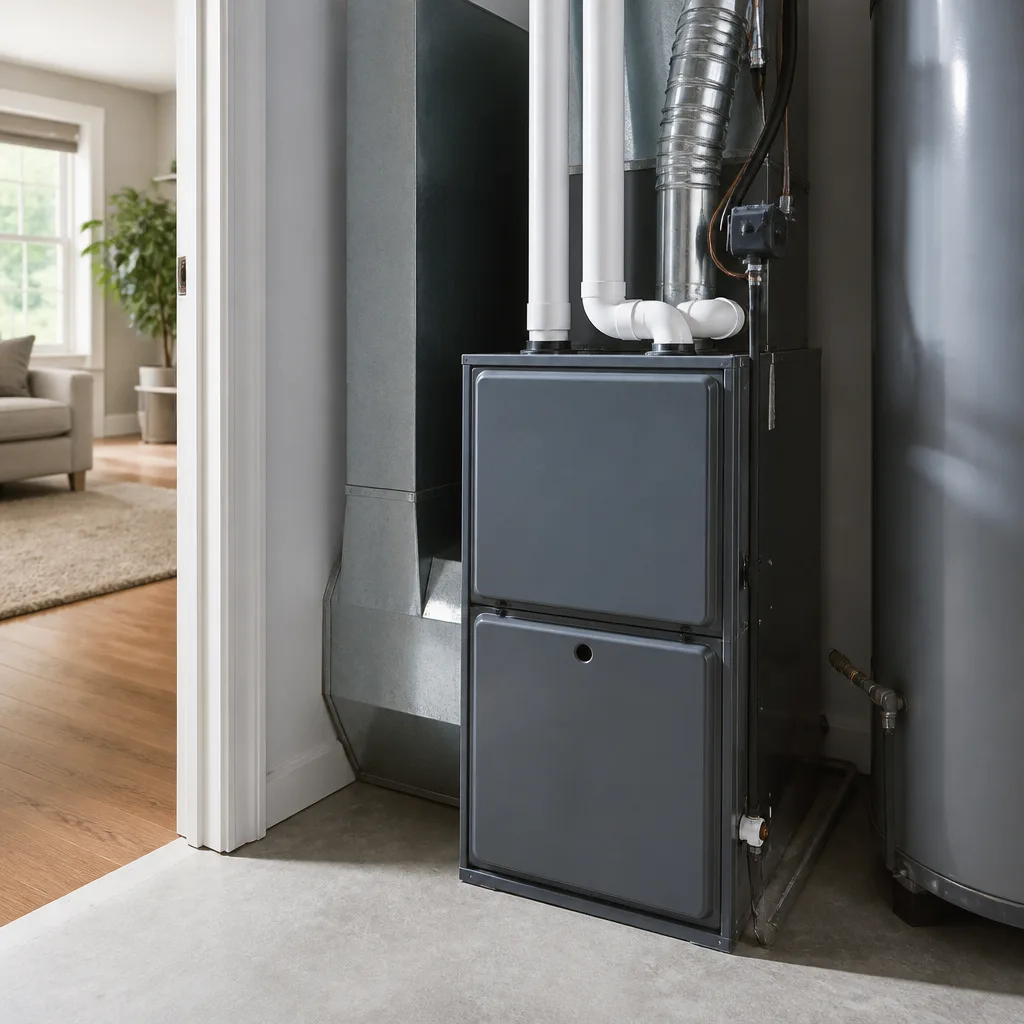 Furnace & heating
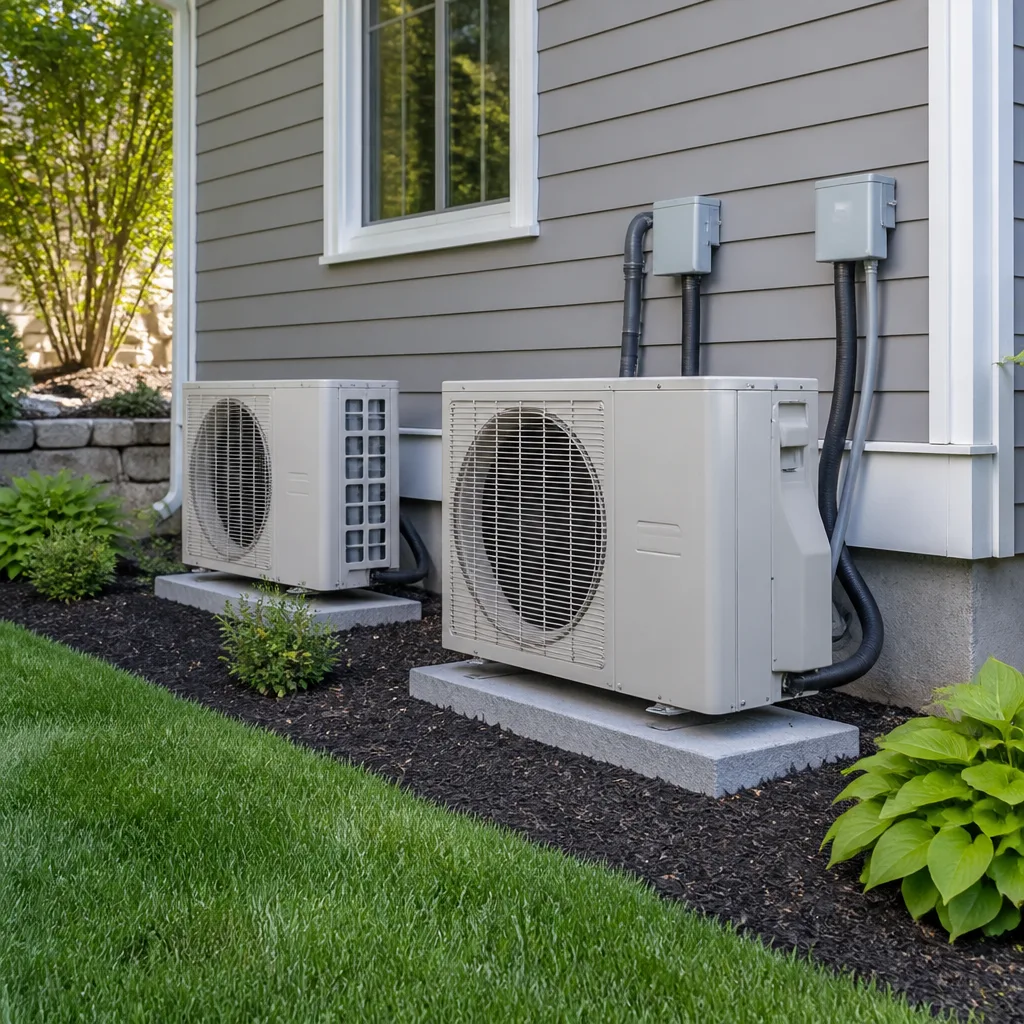 Heat pumps
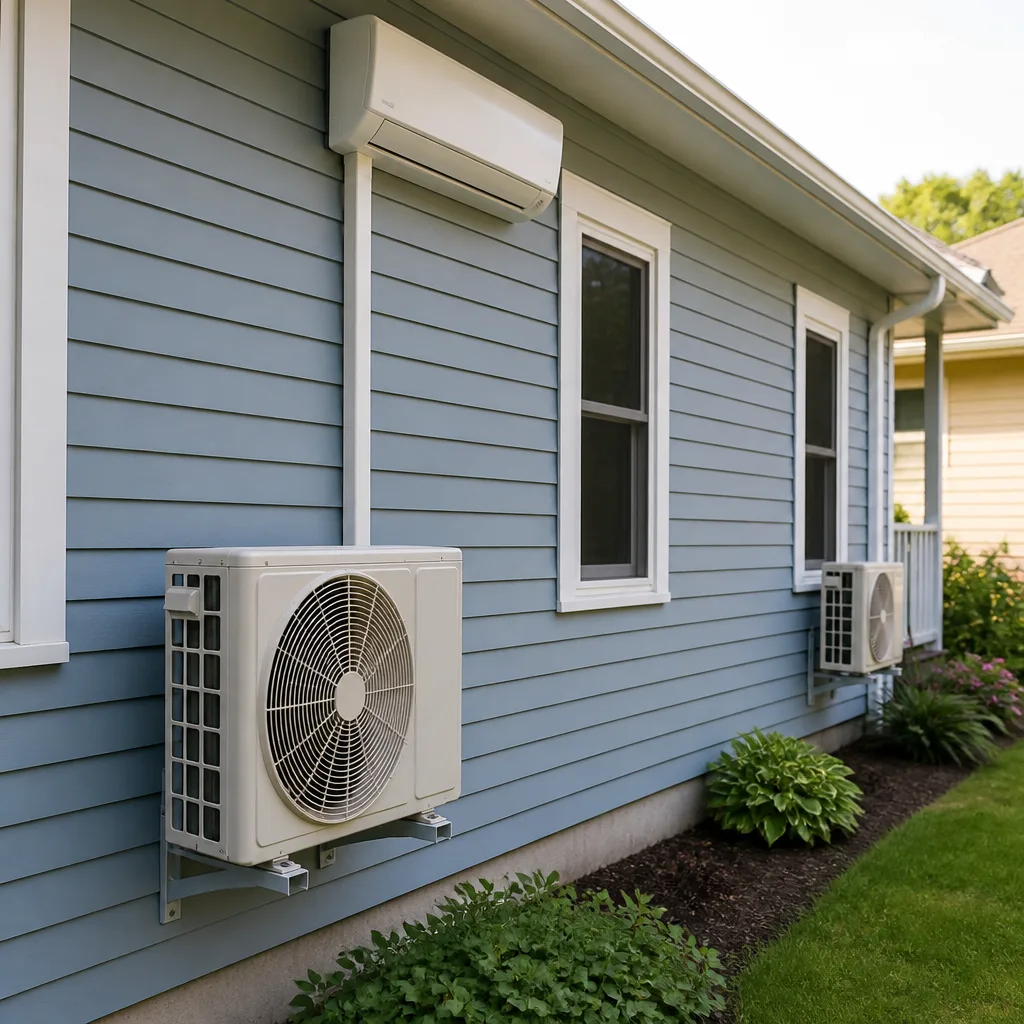 Ductless mini splits
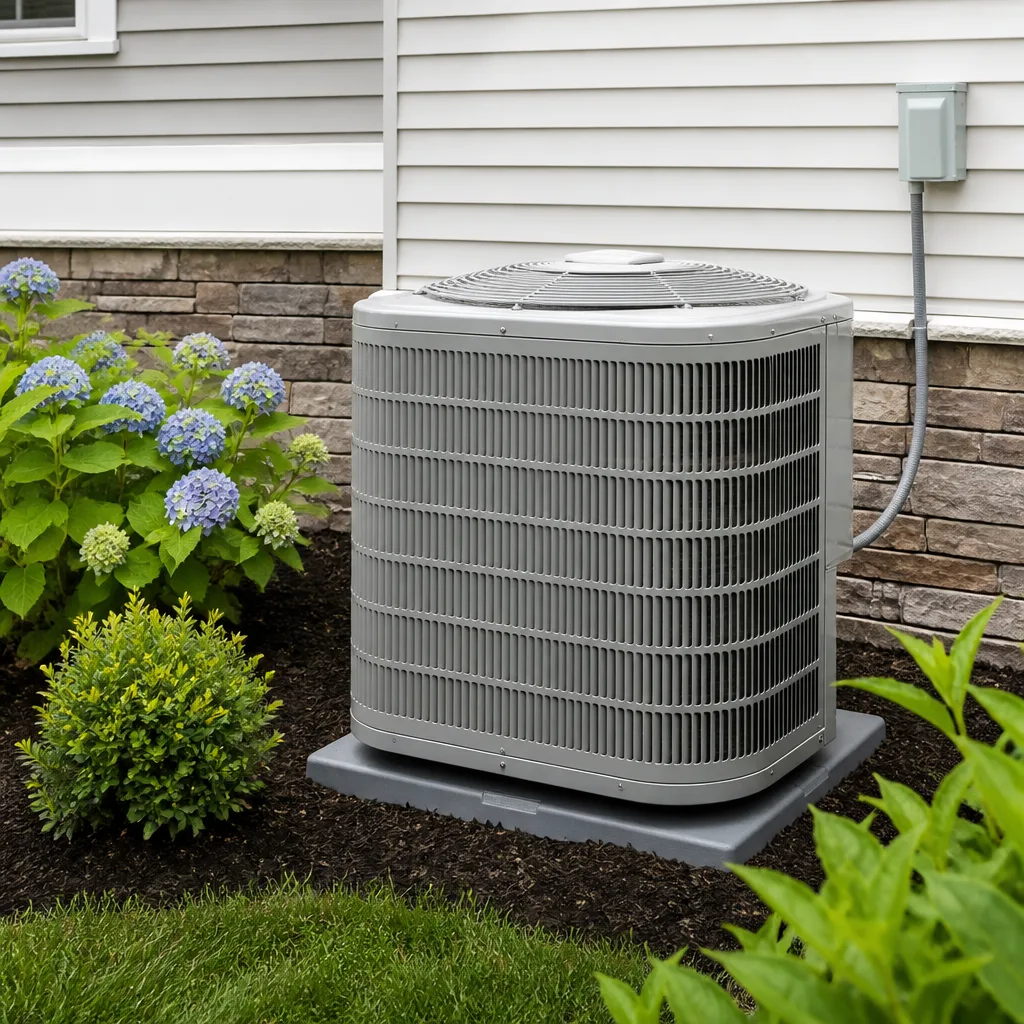 Carrier
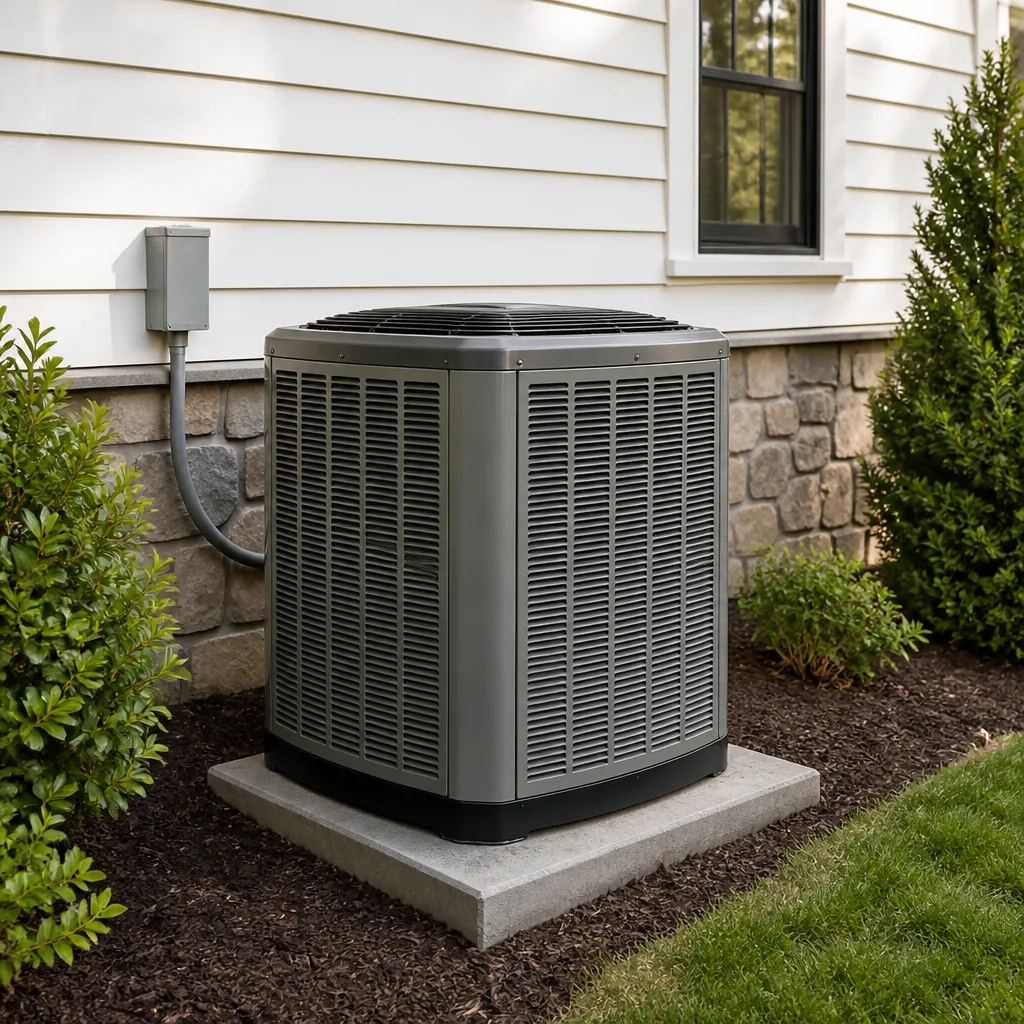 Trane
TraneSeasonal tune-up and full diagnostic on your Carrier, Trane, or Goodman system - readings shown to you before any repair is proposed
Diagnosis first, numbers second - you approve the repair price before a single part goes in.
Get your free estimateThe Complete Guide to HVAC in Woodland Hills
Woodland Hills recorded 117°F during the 2021 heat dome, hotter than Phoenix that same day, yet most HVAC guides written for “the LA area” treat this neighborhood like a beach city with mild summers. That’s a costly mistake. This guide is built around the specific climate, geography, and housing stock of Woodland Hills, because a system sized for Santa Monica will fail you in the 91364 zip code. You’ll learn what equipment actually holds up here, what permits you can’t skip, what real 2026 pricing looks like, and how to read a quote without getting taken.
Quick Answer
HVAC in Woodland Hills means selecting a system rated for sustained 100°F+ heat, not just the occasional warm afternoon. A new AC installation in this area typically runs between $7,500 and $14,000 depending on home size, efficiency rating, and ductwork condition, while most repairs land in the $150 to $500 range. The single most important decision for a Woodland Hills homeowner is choosing a SEER2 rating of at least 16 for replacement systems, because lower-rated units struggle to keep up with the Valley’s heat loads without running constantly.
Styles & brands we work with
Table of Contents
- Why Woodland Hills Is Different From the Rest of LA
- SEER Ratings That Actually Work Here
- Single-Story Ranch Homes vs. Two-Story Builds: Why It Changes Your Sizing
- Permits in Woodland Hills: What LA County Actually Requires
- What Five Common Woodland Hills HVAC Jobs Cost in 2026
- How to Read a Written Price Quote: The Three Line Items That Reveal Everything
- Service Cadence for a Valley Climate
- Common Mistakes to Avoid
- When to Call a Professional
- Frequently Asked Questions
Why Woodland Hills Is Different From the Rest of LA
Woodland Hills sits in the western San Fernando Valley, which functions as a thermal bowl. Hot air from the surrounding mountains descends into the Valley floor, compresses, and gets hotter. The marine layer that keeps Santa Monica in the 70s rarely makes it past the Sepulveda Pass in summer. If you live in the neighborhoods south of Ventura Boulevard, in Warner Center, or up toward Calabasas, you already know this: your AC runs in May, and it does not stop until October.
This is not a coastal climate with a few warm days. It’s a sustained heat environment. The National Weather Service consistently records Woodland Hills and Pierce College as some of the hottest official stations in Los Angeles County. When we talk about HVAC in Woodland Hills, we’re talking about systems that need to handle weeks of back-to-back 95°F-plus days, not occasional spikes.
What this means practically: equipment that’s “fine for LA” is often undersized and overworked here. A system installed with a borderline tonnage rating will run continuously in August, which drives up your electric bill and shortens the compressor’s life. The heat load calculation that matters is specific to this neighborhood, not a regional average.
SEER Ratings That Actually Work Here
SEER stands for Seasonal Energy Efficiency Ratio, and SEER2 is the updated 2023 testing standard that reflects real-world conditions more accurately. In plain English: it’s the miles-per-gallon rating for your air conditioner. The higher the number, the less electricity the unit uses to produce the same amount of cooling.
For Woodland Hills homes, we recommend a minimum of 16 SEER2 on any new installation. That’s higher than what generic guides suggest for Southern California, and there’s a reason. The thermal bowl effect means your system accumulates more runtime hours than a comparable home in Culver City or Long Beach. Every additional hour of runtime is an hour where a lower-efficiency unit burns more electricity. Over a 15-year system life, the difference between a 14 SEER2 and a 17 SEER2 unit in Woodland Hills can be thousands of dollars in energy costs.
Here’s what the ratings mean in practical terms for this area:
- 14-15 SEER2: Minimum legal efficiency. Works, but in Woodland Hills you’ll feel it on the August electric bill.
- 16-17 SEER2: The sweet spot for most homes here. Meaningful energy savings without the premium price of top-tier variable-speed units.
- 18-20+ SEER2: Best for larger homes or anyone planning to stay 10-plus years. Higher upfront cost, but the efficiency curve flattens beyond 18 SEER2, so don’t overpay for a number you won’t recoup.
Brands like Daikin and Bryant make strong 16-17 SEER2 options that hold up well to Valley runtimes. The brand matters less than the rating and the installation quality. A perfectly installed 16 SEER2 unit will outperform a sloppy 20 SEER2 install every time.
Single-Story Ranch Homes vs. Two-Story Builds: Why It Changes Your Sizing
Woodland Hills has a lot of single-story ranch homes, especially in the 91364 and 91367 zip codes. These homes were built in the postwar boom and have specific heating and cooling characteristics that a two-story build doesn’t share.
Single-story ranch homes spread their square footage across a larger footprint relative to their volume. That means more roof area exposed to direct sun, more wall surface area, and longer duct runs from a centrally located system. In August, the attic in a Woodland Hills ranch home can hit 140°F. That heat radiates downward into living spaces all day, and it also heats up the ductwork if the ducts run through the attic, which many do.
Two-story homes have a different issue: the upstairs is always warmer than the downstairs because heat rises, and the upstairs rooms often have vaulted ceilings and less attic insulation above them. But the downstairs tends to stay naturally cooler. The net effect is that a two-story home often needs zoning or a variable-speed blower to balance temperatures between floors, while a ranch home needs a system sized generously enough to overcome attic heat gain.
What this means for sizing: a Manual J load calculation is non-negotiable. That’s the industry-standard heat load calculation that accounts for square footage, window orientation, insulation levels, ceiling height, and local climate data. In Woodland Hills, the climate data input matters more than in mild coastal zones. A good contractor will ask about your insulation, your window type, and whether your ducts are in the attic or the crawlspace. If a contractor quotes you a system size based on square footage alone, that’s a red flag. Square footage is one input, not the whole equation.
Permits in Woodland Hills: What LA County Actually Requires
Woodland Hills is part of the City of Los Angeles, so HVAC permitting falls under the Los Angeles Department of Building and Safety (LADBS). The rules are straightforward but often ignored, and ignoring them can come back to bite you when you sell the home.
Here’s the breakdown:
- Full system replacement (AC and furnace): Requires a mechanical permit from LADBS. The permit covers the equipment change-out, electrical connection, condensate drainage, and, for furnaces, the gas line connection and venting.
- AC-only replacement or furnace-only replacement: Still requires a mechanical permit. It’s a separate permit type from a full system swap but the requirement is the same.
- Repairs: Replacing a capacitor, contactor, thermostat, blower motor, or a circuit board does not require a permit. These are component repairs on an existing permitted system.
- Ductwork modification: If new ducts are added or existing ducts are significantly altered, that goes into the permit scope.
Why this matters: unpermitted HVAC work shows up on title searches and home inspections. When you sell, a buyer’s inspector will flag a system that was clearly replaced recently but has no permit record. At minimum, it creates a negotiation issue. Sometimes it blocks the sale until the work is retroactively permitted and inspected.
The contractor should pull the permit, not you. It’s standard practice, and any contractor who suggests skipping the permit to “save you money” is saving themselves the hassle at your expense. The permit fee is a line item on the quote. It’s usually a few hundred dollars, and it’s worth it.
What Five Common Woodland Hills HVAC Jobs Cost in 2026
These are real ranges based on Woodland Hills market conditions, not national averages. National numbers are too broad to be useful because labor rates in Los Angeles County run higher than the U.S. median. Here’s what we actually see:
| Job | Typical Range (Parts + Labor) | What Drives the Price |
|---|---|---|
| Capacitor replacement | $150 – $350 | Common failure point in Valley heat; inexpensive part, but the diagnostic and service call are the bulk of the cost. |
| Refrigerant recharge (coolant top-off) | $250 – $600 | Depends on refrigerant type (R-410A vs. newer A2L) and how many pounds are needed. A leak must be found and fixed first, which adds cost. |
| Condenser fan motor replacement | $400 – $750 | The outdoor fan motor burns out under sustained high-heat operation. Generic vs. OEM part makes a meaningful difference. |
| Full AC system replacement (3-ton, 16 SEER2) | $8,500 – $13,000 | Includes equipment, refrigerant lines, pad, electrical disconnect, permit, and labor. Access to the attic or crawlspace affects labor cost. |
| Furnace replacement (80% AFUE, natural gas) | $4,000 – $6,500 | Includes gas line connection, venting modification if needed, and permit. A high-efficiency 95%+ condensing unit with new PVC venting adds $1,500 to $2,500. |
These numbers assume a typical Woodland Hills home: 1,200 to 2,200 square feet, either a ranch or a two-story from the 1960s-1980s era. Larger homes in the hills south of the Boulevard will push higher on the replacement ranges.
When you compare quotes, make sure you’re comparing the same scope. A $9,000 quote that includes a permit, a new condenser pad, and a full refrigerant line replacement is a different deal than an $8,000 quote that reuses old lines and skips the permit.
How to Read a Written Price Quote: The Three Line Items That Reveal Everything
Every reputable HVAC company should give you a written price before any work starts. At Halden Heating and Air Woodland Hills, that’s not an option or an upgrade, it’s how every single job works. Here’s how to read that quote so you know whether the contractor is being straight with you.
Look for these three line items:
- Equipment model numbers. A straight quote lists the exact condenser, evaporator coil, and furnace model numbers. If the quote just says “3-ton AC unit,” you have no way to compare brand, efficiency rating, or warranty. You should be able to Google every model number on the quote and see exactly what you’re buying.
- A labor line item, not a lump sum. Equipment and labor should be broken out separately. This isn’t just about transparency, it’s about understanding warranty coverage. If the equipment fails under manufacturer warranty, the manufacturer covers the part but not the labor. Knowing your labor cost helps you understand what future covered repairs will still cost you.
- Permit fee and scope of work. The permit fee should appear as a line item, and the scope of work should be written in plain English: “Remove and dispose of existing 3-ton condenser, install new 3-ton Rheem condenser model RA1636, replace refrigerant line set, inspect and retain existing ductwork, pull LADBS mechanical permit.” If the scope is one sentence, the quote is light on detail, and vagueness is where surprise charges come from.
A quote without these three items isn’t necessarily dishonest, but it’s incomplete. And for major work, you should never proceed on an incomplete quote. Ask for the detail. A contractor who balks at putting specifics in writing is telling you something important.
Service Cadence for a Valley Climate
In Woodland Hills, the standard “service your AC once a year” advice is right, but the timing matters more than generic guides acknowledge. You want your spring tune-up done in March or early April, before the first sustained heat wave. Once June hits and every contractor in the Valley is booked solid, you’re either paying peak-season rates or waiting a week for an appointment while your house hits 90 degrees indoors.
Here’s the service cadence we recommend for homes in this area:
- March-April: AC tune-up before the heat arrives. Coil cleaning, refrigerant check, capacitor testing, thermostat calibration. This is the single highest-ROI maintenance visit of the year.
- September-October: Post-season inspection. Not urgent, but it catches issues that developed over the summer before they become next spring’s failures.
- October-November: Furnace check before the winter months. Even in Woodland Hills, December and January mornings drop into the 40s, and a dead heat exchanger is a safety issue, not just a comfort issue.
- Filter changes: Every 30-60 days during heavy AC season. If you’re running your system daily from May through October, check the filter monthly. A clogged filter restricts airflow, which makes the evaporator coil freeze up and forces the system to work harder.
In our experience in Woodland Hills, we regularly see systems that are 10 to 15 years old here with compressors that are simply worn out from the runtime. The Valley is harder on equipment than coastal LA, and that’s not a sales pitch, it’s physics. Units here accumulate more total operating hours per year, and that’s the number that matters for longevity.
Common Mistakes to Avoid
- Undersizing the system to save money. A smaller unit costs less upfront but runs constantly in Woodland Hills heat, driving up electricity costs and shortening its lifespan. You’re not saving money; you’re deferring it into higher operating costs.
- Skipping the permit on a replacement. The City of Los Angeles keeps records. An unpermitted system becomes a title issue when you sell, and retroactive permitting is more expensive than doing it right the first time.
- Ignoring attic insulation. If your ranch home has original 1960s attic insulation, your new high-efficiency AC is working against a losing battle. Adding insulation is cheap compared to the lifetime energy cost of a system fighting 140-degree attic heat.
- Choosing a contractor based only on the lowest bid. Lowest bid often means the quote doesn’t include the permit, uses generic parts, or assumes the existing ductwork and lines are fine without inspecting them. When the job starts, the “extras” appear.
- Waiting until the unit fails to replace it. The worst time to buy an HVAC system is when your AC dies during a July heat wave and you need it fixed tomorrow. You’re making a multi-thousand-dollar decision under duress. If your system is 12-plus years old, start planning the replacement before it becomes an emergency.
- Not checking the contractor’s written guarantee terms. “We guarantee our work” means nothing unless the terms are in writing. How long is the coverage? Does it include labor? Does the company charge a diagnostic fee on a callback? If it’s not written, it doesn’t exist.
- Forgetting that heat matters too. Woodland Hills homeowners focus on AC, for good reason, but winter mornings in the 40s expose furnace issues too. A furnace that failed in January is just as uncomfortable as an AC that failed in August. Service both systems, not just the one you think about most.
When to Call a Professional
Some things you can check yourself: a tripped breaker, a clogged filter, a thermostat with dead batteries. But most HVAC issues in Woodland Hills need a licensed technician. If your AC is blowing warm air while the outdoor unit is running, that’s usually a refrigerant leak or a compressor issue, both of which require proper equipment and training. If you hear grinding, squealing, or a loud bang from the unit, shut it off and call someone. If your furnace smells like gas or you suspect a cracked heat exchanger, that’s a carbon monoxide risk and you should not run the system until it’s been inspected. Halden Heating and Air Woodland Hills offers free estimates in Woodland Hills, call (559) 245-8195 and we’ll give you a written price before any work starts.
Frequently Asked Questions
A full HVAC system replacement in Woodland Hills typically costs between $8,500 and $14,000 in 2026, depending on the home’s square footage, the efficiency rating of the equipment, and whether the ductwork needs modification. A furnace-only replacement usually runs $4,000 to $6,500. For an exact quote on your home, call (559) 245-8195 for a free estimate.
For Woodland Hills, we recommend at least 16 SEER2, because the Valley’s thermal bowl effect means your system runs more hours per year than a comparable coastal LA home. The extra efficiency pays for itself in lower electric bills over the system’s life. Higher than 18 SEER2 is nice but the savings curve flattens, so don’t overpay for a number you won’t recoup.
Yes. The City of Los Angeles requires a mechanical permit for any AC or furnace replacement within Woodland Hills city limits. Repairs like a capacitor or blower motor replacement don’t need a permit, but a full equipment change-out does. Skipping the permit creates title and inspection issues when you sell the home.
Once a year, in March or April, before the first sustained heat wave. Fall and winter furnace checks are also recommended. In Woodland Hills, the cooling season runs from May through October, and a system that runs for six months straight accumulates wear faster than a system in a milder climate.
Heat rises, and upstairs rooms in two-story Woodland Hills homes often have vaulted ceilings and less attic insulation above them. This is usually a zoning or airflow balance issue. A variable-speed blower or a zoned system with separate dampers for the upstairs can solve it, but the fix depends on the specific layout. It’s not something to guess at, because the wrong fix can make the imbalance worse.
You can, but at some point the math stops working. If your system is over 12 years old and the compressor or evaporator coil needs replacement, you’re looking at a repair that costs 40-50% of a new system, and the rest of the unit is still aging. In Woodland Hills, where systems run hard, a 15-year-old unit is usually near the end of its useful life. A written quote for both options side by side makes the decision easier.
The Bottom Line
HVAC in Woodland Hills is not the same as HVAC in greater Los Angeles. The Valley’s heat demands higher efficiency ratings, the ranch homes need proper load calculations, and the City of Los Angeles permitting process can’t be skipped. The right approach is to service your system every spring, plan replacements before they become emergencies, and work with a contractor who puts the price, the scope, and the guarantee in writing before any work begins. For more guides & resources specific to this area, see our blog. Halden Heating and Air Woodland Hills has been serving Woodland Hills since 2004, and every job comes with a written price, a written guarantee, and a free return visit if the repair fails.
Written by Andre Fuller, Owner at Halden Heating and Air Woodland Hills, serving Woodland Hills since 2004.
See the difference
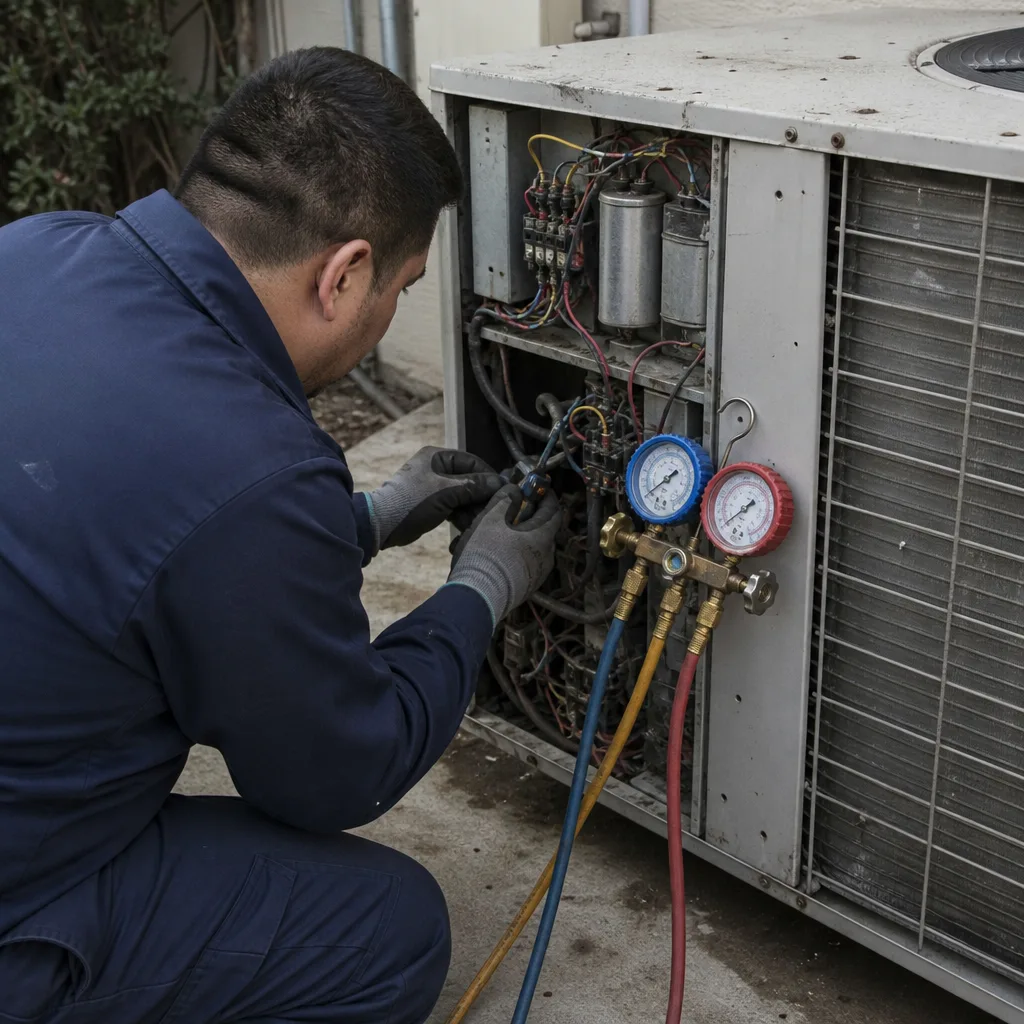 Before
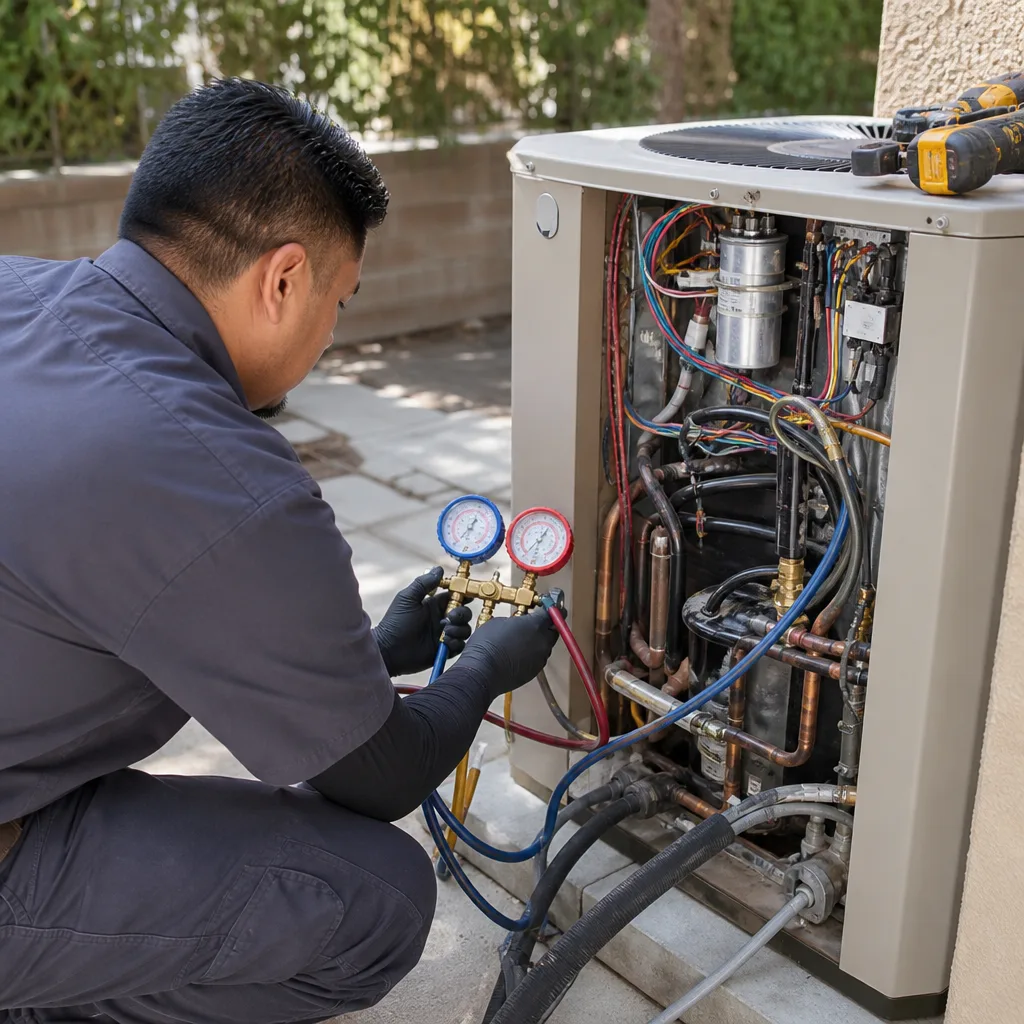 After
After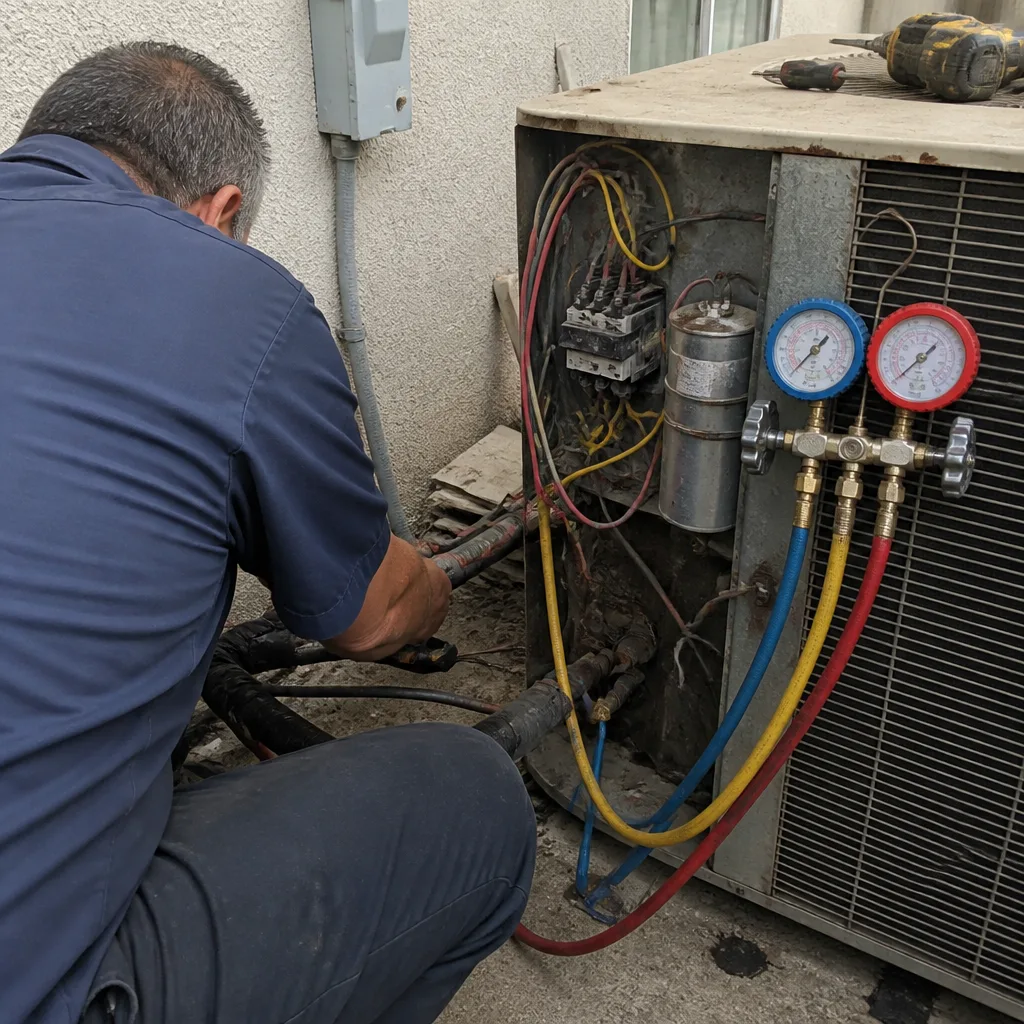 Before
 After
After Before
 After
After