
Last updated October 16, 2026
 Furnace & heating
 Heat pumps
 Ductless mini splits
 Carrier
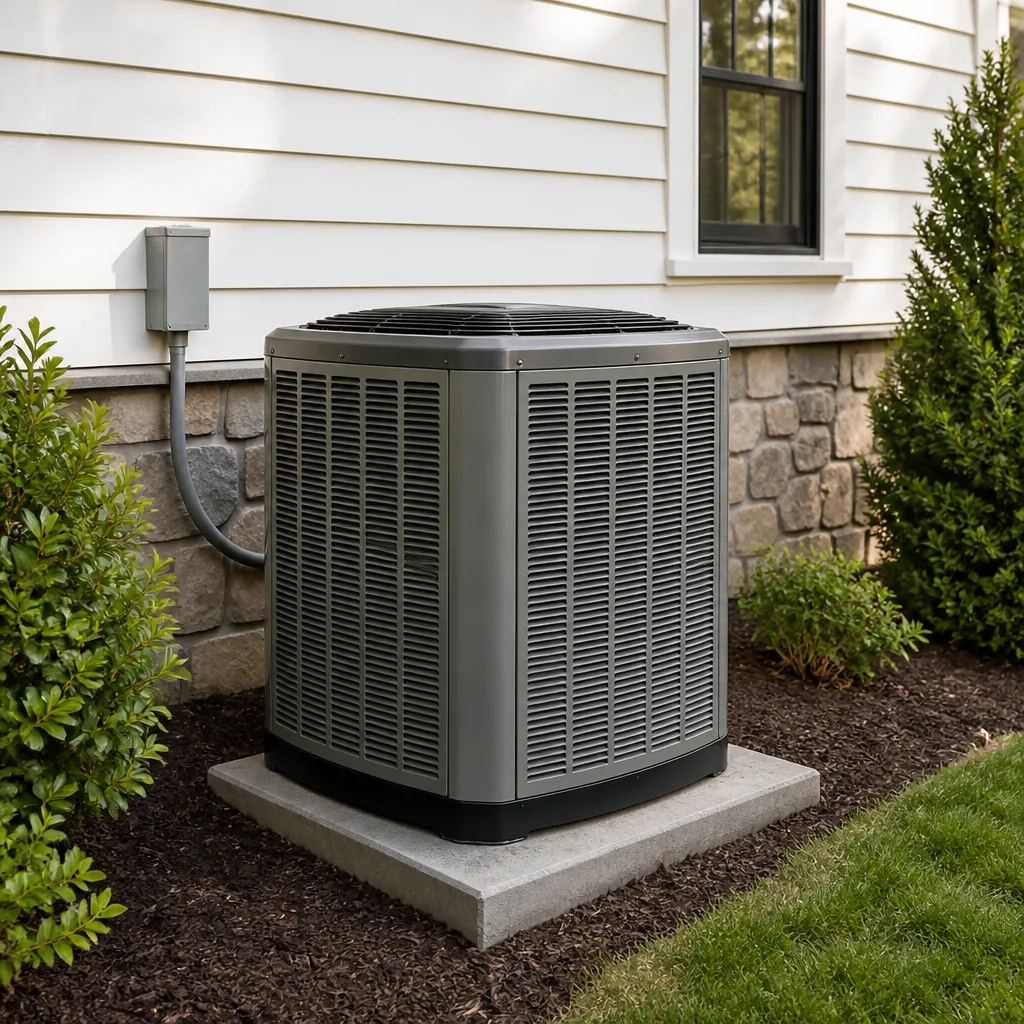 Trane
TraneSeasonal tune-up and full diagnostic on your Carrier, Trane, or Goodman system - readings shown to you before any repair is proposed
Diagnosis first, numbers second - you approve the repair price before a single part goes in.
Get your free estimateHVAC Warning Signs: A Woodland Hills Homeowner’s Reference Guide
A Woodland Hills HVAC system that short-cycles (turns on and off every few minutes) isn’t working extra hard. It’s burning through its compressor life at triple the normal rate, and most homeowners don’t realize anything is wrong until the unit dies on a 102-degree August afternoon. Your heating and air system almost always gives 3 to 6 warning signs before it fails completely. The problem is that most people don’t know what those warnings look like, what they mean, or which ones demand immediate action. This guide treats your HVAC system like a body with symptoms. You’ll learn how to match what you’re experiencing to a likely cause, determine whether it’s urgent, and know exactly what to say when you call a technician in Woodland Hills.
Styles & brands we work with
Quick Answer
The most common HVAC warning signs in Woodland Hills are short-cycling, warm air blowing from vents, strange smells, unusual sounds, weak airflow, water pooling near the indoor unit, and unexplained jumps in your electric bill. Any burning smell, gas odor, or electrical buzzing means shut the system off and call a professional immediately. Most other symptoms can wait a few days, but ignoring them turns a $200 repair into a $4,000 replacement. If you notice two or more symptoms at once, call a licensed technician the same day.
Table of Contents
- Symptom-to-Cause Map: The 12 Woodland Hills HVAC Complaints We See Most
- ‘Shut It Off Now’ vs. ‘Call This Week’: Urgency Levels Explained
- Why a Suddenly High Electric Bill Is Often Your First Warning Sign
- What That Smell Is Telling You: Burning Plastic, Musty, Rotten Egg, and More
- Sound Signals: Banging, Hissing, Clicking, and What Each One Means
- How to Describe a Warning Sign to a Technician So You Get a Real Answer
- Common Mistakes to Avoid
- When to Call a Professional
- Frequently Asked Questions
- The Bottom Line
Symptom-to-Cause Map: The 12 Woodland Hills HVAC Complaints We See Most
Andre Fuller, owner at Halden Heating and Air Woodland Hills home, has kept records on the patterns that repeat across thousands of service calls in this area. Certain problems show up in Woodland Hills more than anywhere else, and it usually comes down to climate. Summer temperatures routinely push past 95 degrees in the Valley, which means your AC runs harder and longer than systems in coastal neighborhoods. That heat load surfaces specific failures.
Here is the table we’ve built from those patterns. Each symptom maps to its most likely causes and how quickly you should respond.
| Symptom | What You’re Experiencing | Most Likely Causes | Urgency Level |
|---|---|---|---|
| Short-cycling | System turns on and off every 3-10 minutes without reaching set temperature | Oversized unit, dirty condenser coils, refrigerant leak, failing compressor | Call this week |
| Warm air from vents | Air blows but it’s not cold (or not hot in winter) | Refrigerant leak, failed compressor, stuck reversing valve, thermostat failure | Call this week |
| Weak airflow | Vents feel like someone turned a fan to low | Clogged filter, failing blower motor, collapsed duct, closed dampers | Call this week |
| Burning smell | Plastic or electrical burning odor from vents | Overheating motor, wiring issue, component failure | Shut it off now |
| Rotten egg smell | Sulfur-like odor inside the house | Gas leak from furnace or line | Shut it off now, leave home, call gas company |
| Musty smell | Damp, moldy odor when system runs | Mold in ductwork, clogged condensate drain, standing water in drain pan | Call this week |
| Loud banging | Sharp metal-on-metal sound on startup or shutdown | Loose blower wheel, broken motor mount, compressor failure | Call this week |
| Clicking or buzzing | Electrical-sounding noise, unit won’t start | Failing capacitor, contactor issue, thermostat malfunction | Call this week |
| Water pooling | Puddle near indoor unit or ceiling stain below attic unit | Clogged condensate line, frozen coil thawing, cracked drain pan | Call this week |
| Ice on refrigerant line | Frost or ice on the copper line outside | Low refrigerant, restricted airflow from dirty filter, failing blower | Call this week |
| Bill spike | Electric bill 30%+ higher with no obvious cause | Failing capacitor forcing longer run times, refrigerant undercharge, dirty coils | Call this week |
| Constant running | System runs all day and never reaches set temperature | Undersized unit, refrigerant leak, failing compressor, duct leakage | Call this week |
Not every symptom means an expensive repair. A clogged filter causes weak airflow, frozen coils, and bill spikes all at once, and fixing it costs under $30. But a failing compressor caused by two months of ignored short-cycling can hit $3,800. This is why we hammer the “call this week” urgency level. The cost difference between catching a problem early and waiting until failure is often tenfold.
‘Shut It Off Now’ vs. ‘Call This Week’: Urgency Levels Explained
Homeowners need a simple decision framework, not jargon. Here’s how we split HVAC warning signs into two buckets. Most fall into the second one. A few fall into the first, and those are the ones that can hurt people or destroy equipment in hours rather than months.
‘Shut It Off Now’ signals
Turn the system off at the thermostat, then at the breaker if you can reach it safely, and call a professional. These signals mean active damage is happening or a safety risk exists:
- Burning plastic or electrical smell. Something is overheating. Motors, wiring, and capacitors can smoke before they catch fire. Shut it off.
- Rotten egg or sulfur smell. This is the odorant added to natural gas so you can detect it. If you smell this, leave the house, call your gas utility from outside, and do not flip any switches or light any flames.
- Loud buzzing with visible sparks or smoke. An electrical short is actively occurring. Shut off the breaker and call for repair.
- Water pouring, not dripping, from the indoor unit. A failed condensate pump or cracked pan can dump gallons into your ceiling or floor in minutes.
- Carbon monoxide detector going off while the furnace runs. Shut the furnace off, open windows, leave the home, and call 911. Do not re-enter until cleared.
‘Call this week’ signals
These are the warnings that plenty of Woodland Hills homeowners sit on for a month or more. The system still runs, so it feels like it can wait. The problem is that each of these signals means a component is working beyond its design limit, and the failure that follows is rarely predictable.
- Any new sound that you can describe as grinding, screeching, slapping, or rattling that wasn’t there before.
- Short-cycling, even if it only happens in the hottest part of the day.
- Rooms that suddenly can’t hold temperature while others stay fine. This often indicates duct problems that get worse with attic heat.
- Ice on the copper refrigerant line. That ice is your system telling you it’s starving for refrigerant or airflow, and every hour of frozen operation risks compressor damage.
- A bill spike you can’t explain. The math section below shows you how to know if HVAC is the culprit.
- Humidity indoors that makes the house feel sticky even when the AC says 74 degrees. This signals the system isn’t pulling moisture, which often points to an oversized unit or failing coil.
Andre Fuller’s rule of thumb for his customers: if you’ve noticed the same symptom on three different days, it’s real. One-off noises happen. Persistent patterns don’t. Call before the pattern becomes a failure.
Why a Suddenly High Electric Bill Is Often Your First Warning Sign
Here’s a fact most homeowners miss: your HVAC system is the single largest electricity consumer in a Woodland Hills home, typically 40% to 60% of your total usage. So when a component starts failing, the system doesn’t just stop working. It works worse while consuming more power. The bill spike often arrives 4 to 6 weeks before the actual breakdown, which makes it the earliest warning sign you can catch, if you know how to read it.
A capacitor that’s starting to fail makes the compressor draw more amperage every time it starts. A refrigerant undercharge forces the compressor to run longer to hit the same temperature. A dirty condenser coil makes the system work harder to reject heat into already-hot Valley air. Each of these adds kilowatt-hours to your bill, day after day, before anything makes a sound.
How to calculate whether your bill spike is HVAC-related
You need your actual kWh usage, not just the dollar amount. Rates change seasonally and tier overages can make a small usage jump look like a big dollar jump. Here’s the step-by-step:
- Pull your last 12 months of bills. You want the kWh figure for each month, not the dollar total. Your utility’s online portal will show this.
- Compare the same month year over year. A July bill should be compared to last July, not to June. Weather changes usage massively.
- Find your baseline. Your non-cooling months (in Woodland Hills, think November through March) show what your house uses without AC. Average those months.
- Subtract baseline from your summer months. The difference is roughly what your AC is responsible for.
- Compare a normal summer day to a current one. If the current bill shows 900 kWh for the month when last year’s same month with similar weather showed 650 kWh, that extra 250 kWh is likely HVAC, unless you’ve added a pool pump, EV charger, or second fridge.
Here’s what the math looks like in practice. If your AC’s total cooling load is responsible for 600 kWh in a normal July, and your unit is a 3-ton system that draws roughly 3.5 kW per hour, that’s about 171 hours of runtime. If a failing capacitor or low refrigerant pushes the system to run 30% longer to hit the same temperature, that’s 51 extra hours at 3.5 kW, adding about 178 kWh to your bill. At Woodland Hills LADWP rates, that can mean $40 to $60 more in a single month, and the problem is you’re paying that before the system makes a single unusual sound.
If your kWh comparison shows a 25% or greater increase with no other explanation, your HVAC is the prime suspect. Call for a diagnostic check before the system dies on the hottest week of the year.
What That Smell Is Telling You: Burning Plastic, Musty, Rotten Egg, and More
Smells are the warning signs that make homeowners call fastest, and for good reason. Your nose is a surprisingly reliable diagnostic tool. Each distinct smell points to a specific category of problem, and the response ranges from “change the filter” to “evacuate the house.” Here’s the breakdown.
Burning plastic or electrical smell
This is the smell of insulation melting on a wire, a capacitor overheating, or a blower motor running beyond its temperature limit. It can smell sharp, acrid, or vaguely like a toy that got too close to a space heater. This is a shut it off now signal. Turn the system off at the thermostat, then the breaker, and call for AC Repair in Woodland Hills. Running the system with this smell risks a motor seizure, a wiring fire, or both.
Rotten egg or sulfur smell
Natural gas has no odor on its own. Utilities add mercaptan, which smells like sulfur or rotten eggs, so you’ll notice a leak. If you smell this while the furnace runs, or smell it near the indoor unit even when the system is off, do not treat it as an HVAC problem. Treat it as a gas emergency. Leave the house, call your gas utility from outside, and do not operate anything electrical on your way out. After the utility clears the home, a furnace repair is likely needed to fix the leak source.
Musty or dirty-sock smell
This is the smell of microbial growth. In a Woodland Hills home, it almost always traces to two places: mold in the ductwork or standing water in the drain pan that never fully evaporates. The smell often gets stronger when the system first kicks on because the blower is pushing air across damp, colonized surfaces. Fixing this isn’t just about comfort. Circulating mold spores through your supply ducts means everyone in the house is breathing them. The fix involves cleaning the coil, treating the drain pan, and sometimes duct cleaning or replacement, depending on the extent.
Dusty or hot-dust smell
If the smell only appears on the first heating cycle of the season and fades within a few minutes, that’s accumulated dust burning off the heat exchanger. It’s normal and harmless. If it persists beyond the first day, or smells more like burning than dust, treat it as the burning plastic category above.
Exhaust or oil smell when AC runs
This can mean a failing compressor is overheating internally, or in homes where the air handler shares a closet with a water heater, flue gases are being pulled into the return air stream. Either way, don’t ignore it. An overheating compressor is a replacement-level failure brewing.
Sound Signals: Banging, Hissing, Clicking, and What Each One Means
Every HVAC system makes some sound. Yours has a baseline you’ve grown used to. The warning sign isn’t sound itself, it’s change. A new sound, a louder version of an existing sound, or a sound that occurs at a specific moment in the cycle (startup, shutdown, or mid-run) deserves attention.
Loud banging or clanking at startup
This usually points to a blower wheel that has come loose from its shaft, or a broken motor mount. On older systems, especially those with a scroll compressor, a sharp bang on startup can also signal compressor internals starting to fail. In furnace systems, a bang when the burner ignites can be a delayed ignition, which is a real safety concern and worth a same-day call.
Hissing or high-pitched whistling
A constant hiss near the refrigerant lines or the indoor coil often means refrigerant escaping as vapor. The hiss may come and go, and the cooling performance will slowly degrade as the system loses charge. A whistling noise at the vents usually means duct leakage or a constriction somewhere in the supply side, which raises static pressure and wastes energy even if the system still cools.
Clicking at the thermostat or outdoor unit, with no startup
When you hear a click and the system doesn’t start, or the outdoor unit clicks repeatedly without the fan spinning, the contactor or capacitor is failing. This is one of the most common repair calls we make in Woodland Hills. Capacitors are inexpensive (most replacements run between $150 and $300 installed), and catching the problem at the clicking stage usually means avoiding a compressor failure.
Grinding or metal-on-metal scraping
This means a bearing is gone. Blower motors and condenser fan motors both ride on bearings, and once the bearing surfaces begin to grind, the motor is living on borrowed time. The system may run for weeks like this, but the motor will seize, and a seized motor can trip breakers, overheat wiring, or damage surrounding components.
Flapping or slapping
A flapping sound that varies with fan speed often means something has fallen into the blower wheel (a piece of insulation, a toy, a pest), or a section of duct liner has come loose. This is low-urgency compared to the others, but it usually gets worse, and that material ends up clogging the coil or damaging the blower wheel.
How to Describe a Warning Sign to a Technician So You Get a Real Answer
Here’s the problem: when you call an HVAC company and say “my AC is acting weird,” the person on the other end has almost nothing to work with. They’ll tell you they need to come look at it, and that’s true, but a better description gets you a better phone diagnosis, a better-prepared technician, and often a faster repair.
At Halden Heating and Air Woodland Hills, every call is answered by a live person, 24/7. When a homeowner calls Andre Fuller’s team and describes their warning sign with these specific details, the dispatcher can often tell the technician which parts to bring before they arrive.
- Name the exact sound. Not “it’s making noise” but “there’s a metallic banging sound when the outdoor unit first starts up, and then it goes away after about five seconds.”
- Pin the moment in the cycle. Does it happen at startup, shutdown, when the system has been running a while, or constantly? Each points to different components.
- Describe the smell in plain words. “Burning plastic” is different from “dusty” or “musty.” Don’t soften it because you’re not sure. Your nose is the diagnostic tool, and the technician needs the unfiltered version.
- Check the thermostat behavior. Is the display on? Does the setpoint match the room temperature? Does the system respond to changes? A homeowner who can tell us “the thermostat shows 78 but it’s set to 72, and the display flickers sometimes” has given us a clue about where to start looking.
- Note the timing pattern. “It only happens in the afternoon” or “it happens every time the AC has been on for more than an hour” helps a technician understand heat load, which matters a lot in Woodland Hills summer months.
- Mention what you’ve already tried. Changing the filter is the important one. If you changed the filter last week and the problem started after, that’s relevant. If you changed it six months ago, say that too.
A homeowner who says “there’s a buzzing sound from the outdoor unit when it tries to start, the fan doesn’t spin, and the thermostat is set to 72 but the house is 79” lets a dispatcher flag a likely capacitor or contactor failure and send a technician with the right part on the truck. A homeowner who says “it’s broken” gets a diagnostic visit with no target. Both end with a repair, but the first path is faster and often cheaper because it happens in one trip.
Common Mistakes to Avoid
- Ignoring a new sound because the system still cools. HVAC failures are almost never sudden. They build. A blower motor bearing that grinds for three weeks is a $600 repair. The same motor after it seizes and overheats the wiring could be a $1,400 repair plus collateral damage.
- Setting the thermostat lower to compensate for weak cooling. If the system can’t hold 74 degrees, setting it to 68 makes the problem worse. The compressor runs longer, the coil freezes, and the failure accelerates. Fix the airflow or refrigerant issue instead.
- Closing vents in unused rooms to save energy. This raises static pressure in the duct system, which reduces total airflow to every room and can push the system past its design limits. The savings are minimal and the wear is real.
- Replacing the filter only when you remember. In Woodland Hills, where AC season runs May through October, filters should be checked monthly during peak season. A loaded filter restricts airflow across the coil, and that restriction is how coils freeze and compressors fail.
- Adding refrigerant without finding the leak. A system that’s low on refrigerant has a leak. Topping it off without locating and repairing the leak means you’ll be back in the same spot next summer, and every leak cycle stresses the compressor a little more.
- Using the breaker as a reset button. If the system trips the breaker, something caused that trip. Tripping the breaker back on and hoping is how wiring melts and compressors burn out. The breaker is a safety device, not a reset switch.
- Waiting until the hottest week of the year to call. July and August HVAC service in Woodland Hills books fast. A problem noticed in June that gets diagnosed in June is a planned repair. The same problem noticed in July is often an emergency call at the busiest time of the year.
When to Call a Professional
Any warning sign from the table above that falls into the “call this week” or “shut it off now” category is a reason to call. If you’ve noticed the same symptom on three separate days, that’s a pattern, not a fluke. If you smell burning plastic, rotten eggs, or hear a grinding metal sound, don’t wait. If your kWh comparison shows a 25% increase with no other explanation, call for a diagnostic. If you have any doubt about whether a sound or smell is normal, a phone call costs nothing, and you can find more guides & resources on our blog to help you decide. Halden Heating and Air Woodland Hills offers free estimates in Woodland Hills. Call (559) 245-8195 and describe your warning sign in detail. Every call is answered by a live person, and the technician arrives with a written price before any work begins.
For furnace issues, our Furnace Repair in Woodland Hills service covers the same diagnostic rigor on the heating side. And if your warning signs point to a system that’s done, AC Installation in Woodland Hills covers replacement with the same upfront pricing standard.
Frequently Asked Questions
Serious signs include burning smells, gas odors, electrical buzzing, water pouring from the unit, and any grinding metal sound. These mean immediate shutdown. Minor signs include mild new sounds, a dusty smell on first startup, or a slight temperature difference between rooms, and these can wait a few days. If you are unsure, describe the symptom over the phone to a technician. A good dispatcher will tell you whether it’s safe to wait. Call (559) 245-8195 for a free phone consultation any time, day or night.
Yes. Your HVAC system is the biggest electricity user in a Woodland Hills house, and failing components force it to run longer and draw more power before they fail outright. Compare your current kWh usage to the same month last year. A 25% or higher increase with no other explanation usually points to HVAC, and a diagnostic visit will identify which component is dragging the system down.
A failing capacitor usually produces a clicking or buzzing sound at the outdoor unit when the system tries to start, often with the fan not spinning. The compressor may also hum for a second and then stop. Capacitor replacement is one of the most common and least expensive HVAC repairs in Woodland Hills, typically $150 to $300 installed.
A musty smell usually means microbial growth in the ductwork or standing water in the drain pan. Woodland Hills humidity is low, but condensation builds inside the coil housing whenever the AC runs, and if the drain line is clogged, that water sits and grows mold. The fix starts with cleaning the coil and clearing the drain, and may include duct treatment depending on how far the growth has spread.
Short-cycling damages the compressor every time it happens. Each start cycle is the highest-stress moment for a compressor, and doubling or tripling the number of daily starts cuts its life dramatically. If your system is short-cycling, schedule a diagnostic within a week. The repair might be a simple refrigerant adjustment or a capacitor, but waiting turns short-cycling into compressor failure, and that’s a multi-thousand-dollar repair.
Halden Heating and Air Woodland Hills does. Every job gets a written price before any work begins, with no surprises at the door. This is the standard Andre Fuller built the company on, and it applies to every repair, including AC Repair in Woodland Hills and furnace work. You’ll also get a written guarantee on every repair, and if a repair fails within the coverage window, the return visit is free.
The Bottom Line
Your HVAC system tells you when it’s failing. The warning signs are sounds, smells, bills, and performance patterns that anyone can learn to read. Short-cycling, warm air, weak airflow, odd sounds, and bill spikes all mean something specific, and each has a cost of ignoring versus a cost of catching. In Woodland Hills, where summer heat makes a working AC a health necessity and a dead one an emergency, the smartest move is to act on the first warning, not the last. Describe what you’re experiencing in plain language, get a written price before work begins, and don’t let a $200 problem become a $4,000 replacement. When you notice a pattern, call (559) 245-8195.
Written by Andre Fuller, Owner at Halden Heating and Air Woodland Hills, serving Woodland Hills since 2004.
See the difference
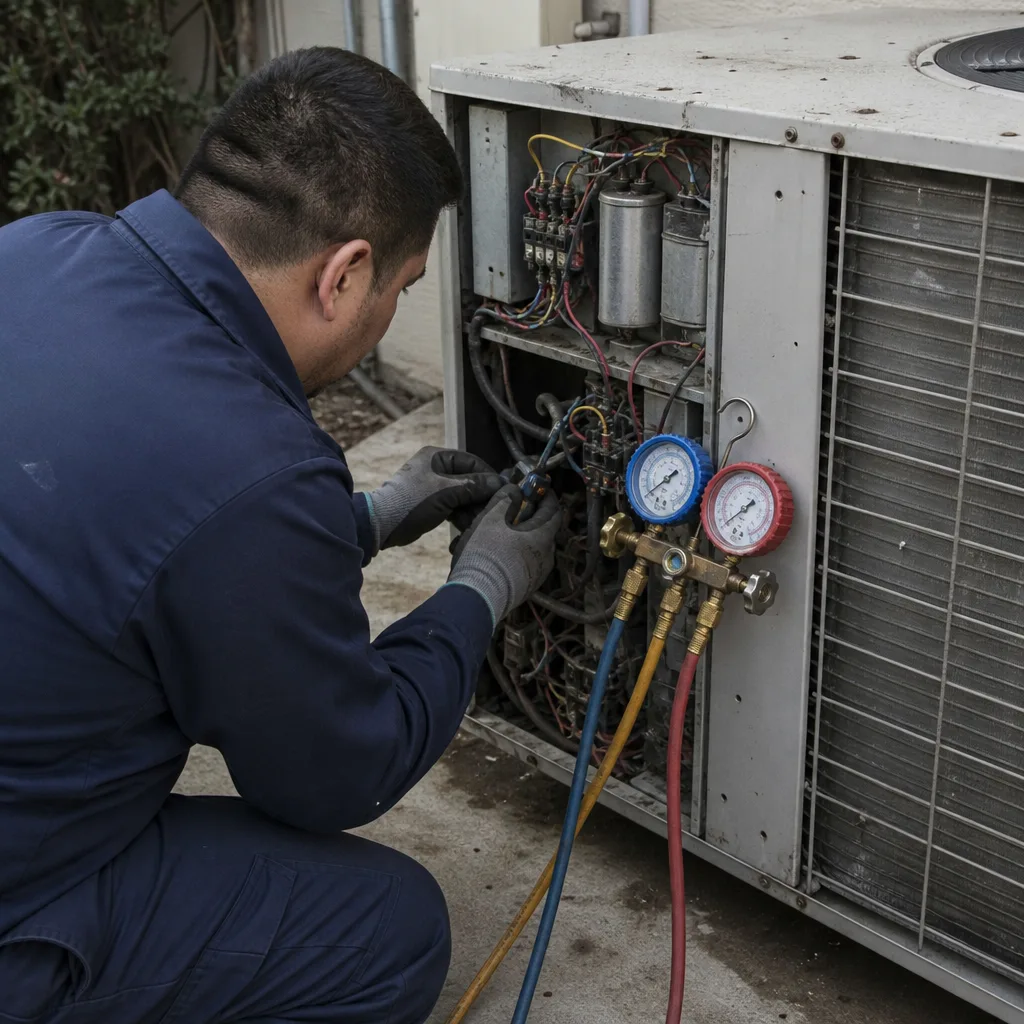 Before
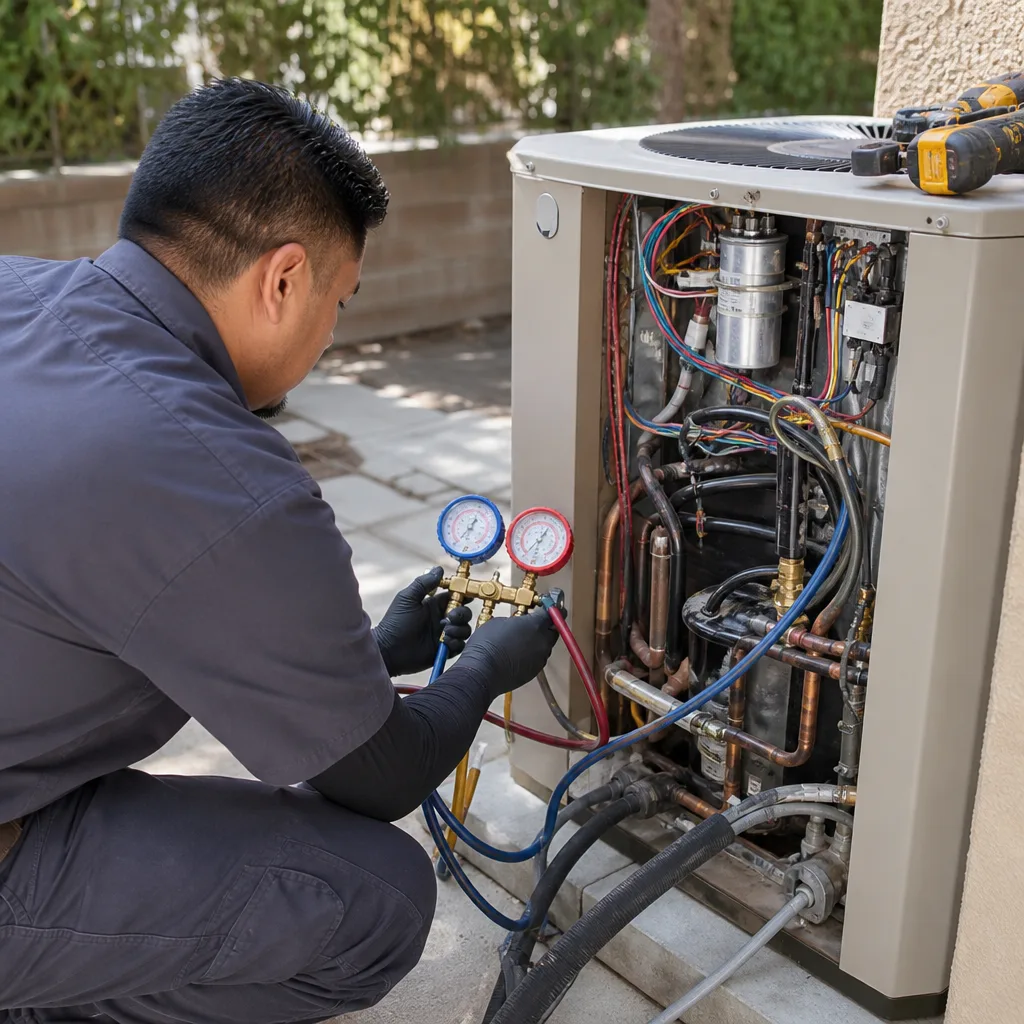 After
After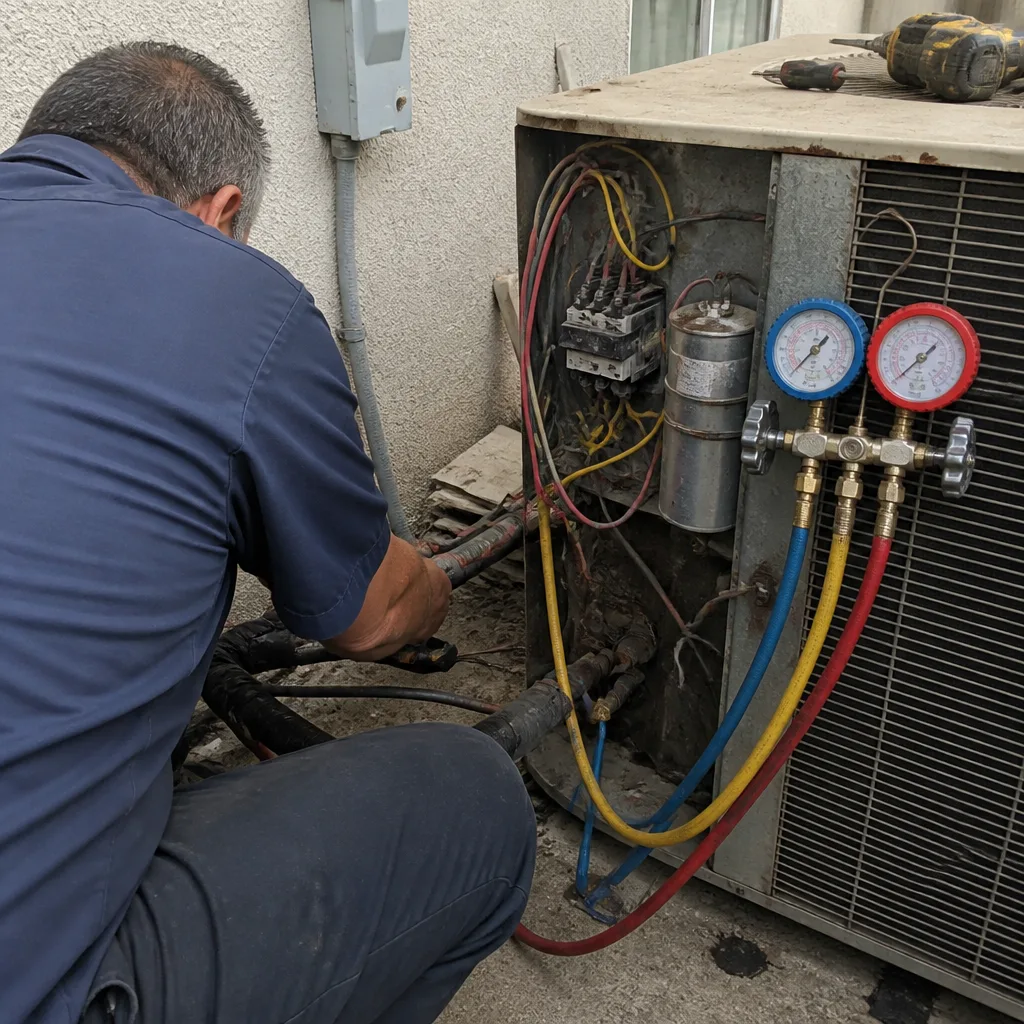 Before
 After
After Before
 After
After