
Last updated October 16, 2026
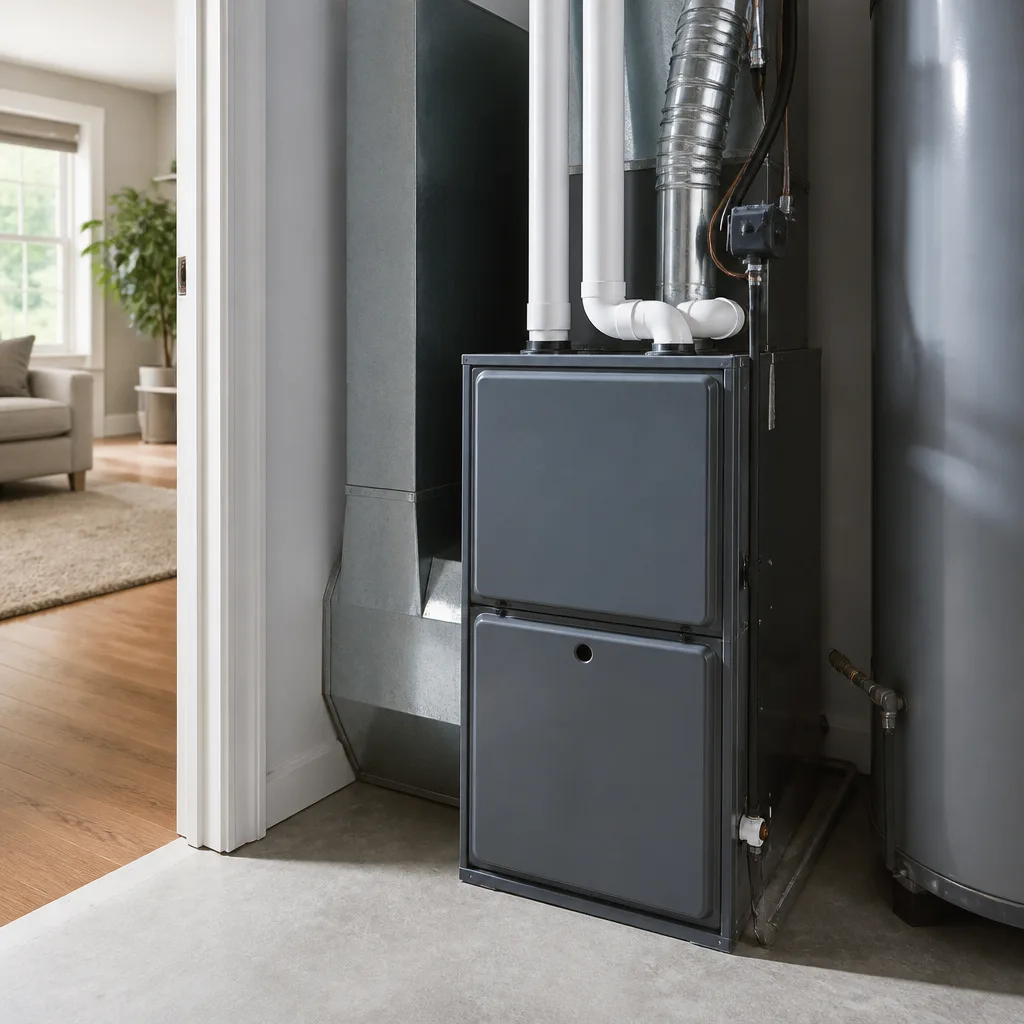 Furnace & heating
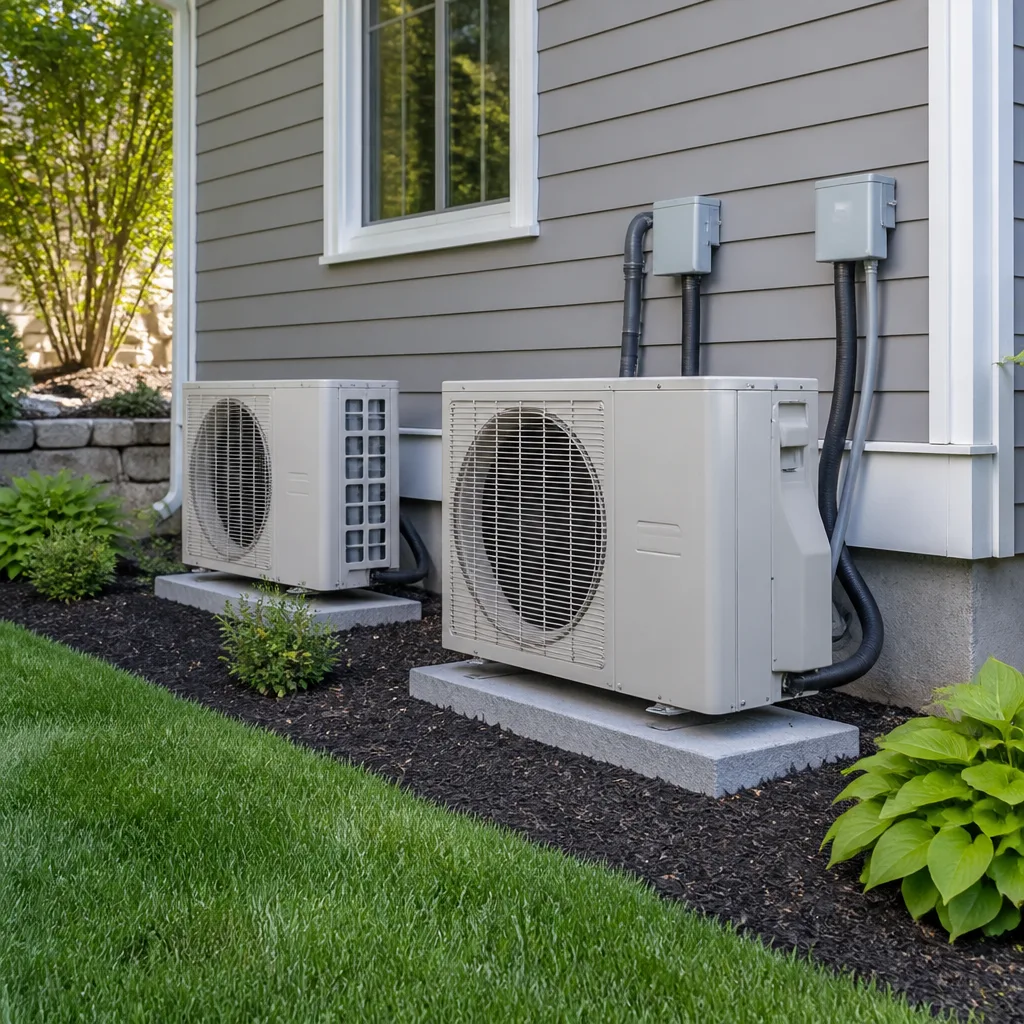 Heat pumps
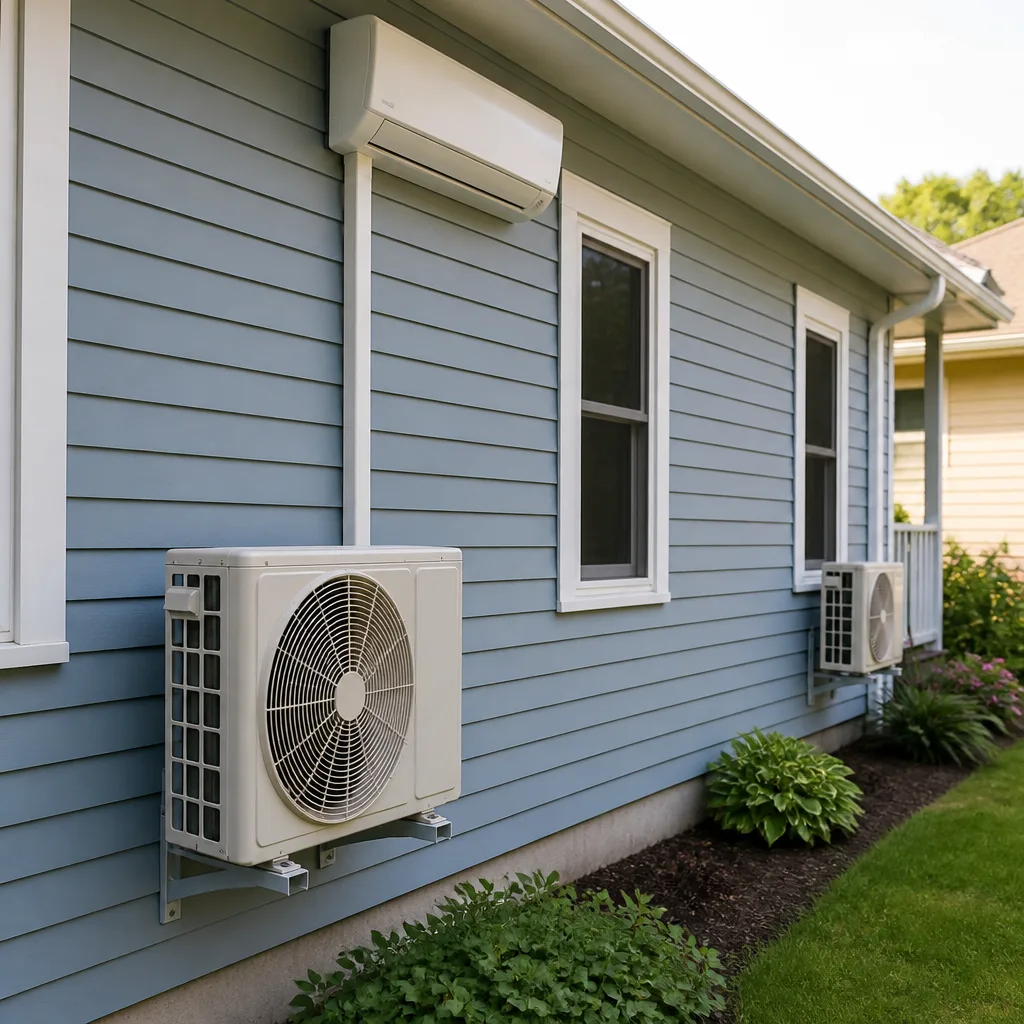 Ductless mini splits
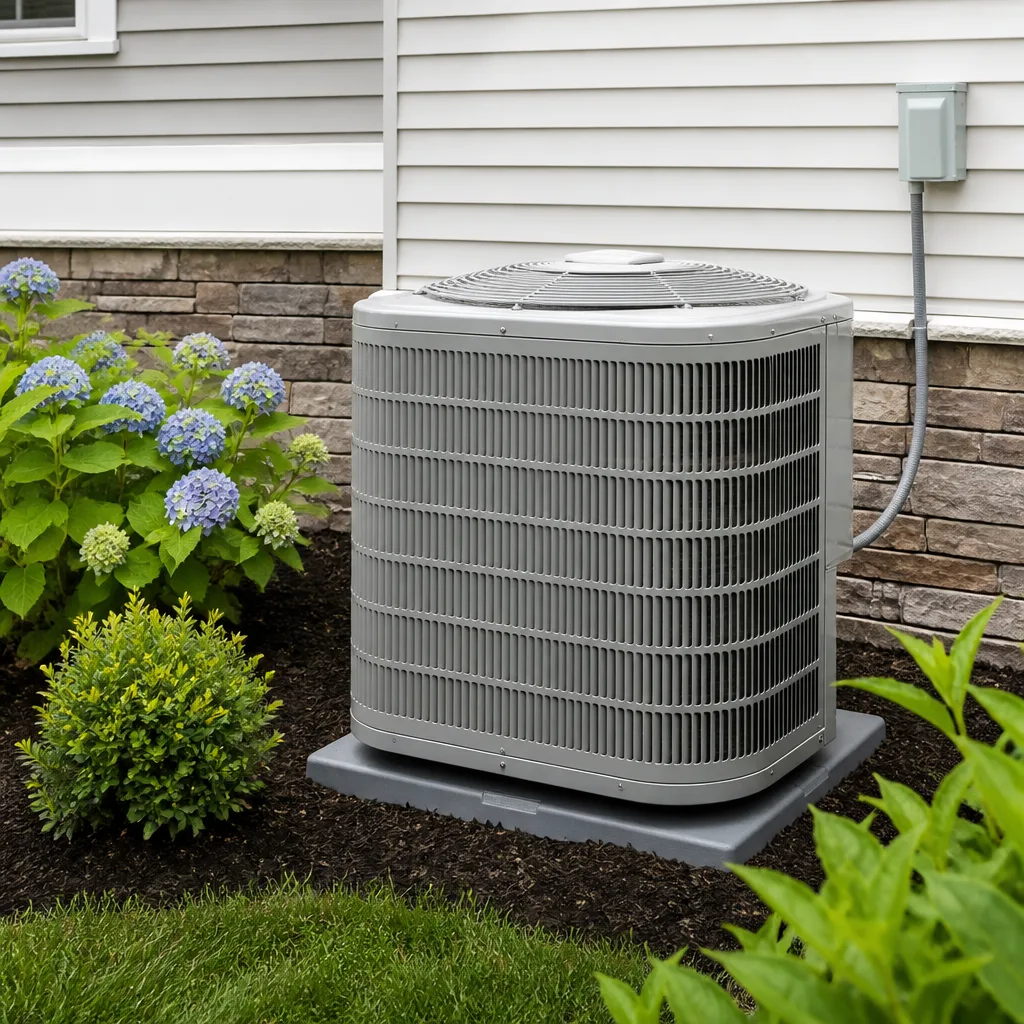 Carrier
 Trane
TraneSeasonal tune-up and full diagnostic on your Carrier, Trane, or Goodman system - readings shown to you before any repair is proposed
Diagnosis first, numbers second - you approve the repair price before a single part goes in.
Get your free estimateHVAC Permits, Codes & Inspections in CA: What You Need to Know
An HVAC replacement done without a permit in LA County can legally require the new homeowner to tear out and redo the entire installation at their expense, and your listing agent may not tell you this. Most homeowners in Woodland Hills discover California’s HVAC permit requirements at the worst possible moment: during escrow, when a buyer’s inspector flags the furnace closet and the deal starts wobbling. This guide maps exactly which HVAC jobs trigger LA County permit requirements, what HERS testing and Title 24 actually mean in plain English, what a permit costs, how long inspection takes, and how to retroactively fix unpermitted work before it becomes your buyer’s problem or your liability. For more guides & resources on protecting your Woodland Hills home, visit our blog.
Quick Answer
Most HVAC work in California requires a permit when equipment is being replaced or added, not when it’s being repaired. A standard split-system AC or furnace replacement in Woodland Hills needs a mechanical permit from LA County Building and Safety, typically costs $150 to $400 in permit fees depending on scope, and requires a HERS test for Title 24 energy compliance before final sign-off. Repairs like capacitor swaps, contactor replacements, or refrigerant top-offs generally do not require permits.
Styles & brands we work with
Table of Contents
- When a Permit Is Required (And When It Isn’t)
- The Repair vs. Replacement Line: Where LA County Draws It
- Title 24 and HERS Testing in Plain English
- What HVAC Permits Actually Cost in Woodland Hills
- The Inspection Process: Step by Step
- How to Check If Your Existing HVAC Was Permitted
- What Happens If You Sell a Home with Unpermitted HVAC
- How to Retroactively Permit Existing Work
When a Permit Is Required (And When It Isn’t)
California Building Code (CBC) Section 106.1 is unambiguous: any mechanical system installation that involves new equipment, relocated equipment, or a change in system type requires a permit. That means if you’re swapping a 20-year-old furnace for a new one, adding central AC to a house that never had it, or converting from a floor furnace to a forced-air unit, you need a mechanical permit issued by LA County Building and Safety.
What does not require a permit? Component-level repairs. Here’s the practical breakdown we use when homeowners in Woodland Hills ask us whether a job needs paperwork:
- Permit required: Furnace replacement, AC condenser replacement, full system changeout, new duct runs, adding a return, relocating the air handler, electrical panel upsizing for a heat pump.
- No permit required: Capacitor replacement, contactor swap, thermostat replacement, condensate drain cleaning, blower motor repair, refrigerant recharge on an existing sealed system, flame sensor cleaning.
The distinction matters because permit history follows the property, not the owner. When you sell, the buyer’s title company and home inspector can pull your address’s permit record in about 90 seconds. A furnace that was replaced in 2019 but never permitted reads as a defect, and the buyer can legally demand remediation, a price reduction, or cancellation in some contract structures.
One clarification that surprises a lot of folks: the permit requirement is triggered by the type of work, not its cost. A $4,000 furnace swap needs a permit. An $800 blower motor replacement does not. Cost is not the threshold; scope is.
If you’re dealing with an AC breakdown and need AC repair in Woodland Hills, most emergency repairs fall on the no-permit side because they’re component-level fixes, not equipment changes. That’s useful to know when a compressor dies on a 108-degree day in Warner Center and you just need cold air, fast.
The Repair vs. Replacement Line: Where LA County Draws It
Here’s the fuzzy territory where less scrupulous contractors exploit homeowners: the line between a “repair” and a “replacement.” LA County Building and Safety treats the replacement of a major system component as a replacement, and a replacement triggers the permit requirement. Specifically, if a contractor swaps your outdoor condenser unit but leaves the old indoor coil, or replaces the furnace heat exchanger but keeps the old cabinet, the county’s position is that this is a replacement of that component, and it requires a permit and usually a HERS test.
Why do some contractors skip it? Because a permit adds $150 to $400 to the job cost, requires a scheduled inspection that takes a technician off other jobs, and creates a paper trail. An unpermitted job is faster and has fewer chances for the county to flag a code violation. The homeowner is the one who carries the risk.
Specific examples from Woodland Hills homes we’ve worked on:
- Replacing a burned-out blower motor = repair, no permit.
- Replacing the entire air handler cabinet because the coil leaked and corroded the drain pan = replacement, permit required.
- Replacing a failed compressor inside the existing condenser = repair, no permit under most interpretations.
- Replacing the entire condenser unit outside = replacement, permit required.
- Adding a second return duct to fix airflow in a 1970s Walnut Acres split-level = permit required (duct modification).
Any contractor who tells you “we don’t need a permit for this” on a full equipment swap is either mistaken or knowingly cutting corners. Either way, you’re the one who inherits the problem when the inspector comes knocking during your future home sale.
Title 24 and HERS Testing in Plain English
California’s Title 24 energy code has governed residential building efficiency since 1978, and it gets stricter every three-year code cycle. Stay ahead of changes with our Seasonal HVAC Care for Woodland Hills: Year-Round Homeowner’s Guide. For HVAC work, Title 24 compliance means three things in practice: the equipment must meet minimum efficiency ratings (SEER2 for AC, AFUE for furnaces), the duct system must pass a leakage test, and the refrigerant charge and airflow must be verified by a certified technician.
HERS stands for Home Energy Rating System. A HERS rater is an independent, state-certified verifier who confirms your new HVAC system actually performs at the efficiency the manufacturer claims. They don’t work for the installing contractor, which is the point: it’s third-party verification.
For a standard split-system AC replacement in Woodland Hills, you’ll typically need two HERS verifications:
- Duct leakage test: The rater seals off your registers and pressurizes the duct system to measure how much air escapes. California allows no more than 15% leakage for a new or altered duct system, though most new installs test well under 5%.
- Refrigerant charge and airflow test: The rater confirms the system has the correct refrigerant level and moves enough air across the coil to hit its efficiency rating. An overcharged or undercharged system can lose 20-30% of its efficiency.
HERS testing typically costs $300 to $600 for a single system, and it’s usually folded into the contractor’s permit and inspection budget. The rater files an electronic compliance document with the county, and without that document, the county won’t sign off on the final inspection. No HERS certificate, no closed permit, no clean sale.
If you’re considering a new system, whether a new AC installation in Woodland Hills or a heat pump conversion, the Title 24 requirement is unavoidable. Every major brand sold in California, including Carrier, Trane, and Goodman, ships compliant equipment, but the on-site verification is separate from the equipment purchase. You can’t buy your way out of a HERS test by picking a premium brand.
What HVAC Permits Actually Cost in Woodland Hills
Let’s talk real numbers, because too many homeowners get vague answers when they ask what a permit costs. A mechanical permit for a standard split-system AC or furnace replacement in Woodland Hills runs roughly $150 to $400 in LA County fees, depending on the declared job value and the number of systems being permitted. That’s the county’s fee alone. The HERS testing adds another $300 to $600. Plan review, if required for more complex changeouts like a full duct redesign, can add $100 to $200.
Here’s a typical cost breakdown for a single-system furnace-to-furnace replacement in Woodland Hills:
- Mechanical permit fee: $150 to $300
- HERS duct leakage test: $150 to $250
- HERS refrigerant charge/airflow test: $150 to $300
- Optional plan review (complex jobs): $100 to $200
- Total permit-related cost: roughly $450 to $850
Compared to the $8,000 to $15,000 installed cost of a typical mid-efficiency system in the Woodland Hills market, the permit cost is a rounding error. Skipping it to save $500 is like declining flood insurance to save $40 a month.
The Inspection Process: Step by Step
Once the permit is pulled and the equipment is installed, here’s what actually happens, in order, for a typical Woodland Hills single-family home. Use our AC Repair Maintenance Checklist for Woodland Hills Homeowners to keep your system compliant between inspections:
- Contractor pulls the mechanical permit from LA County Building and Safety, either online through the e-Permit portal or at the Van Nuys field office. This happens before or on the first day of the job.
- Installation occurs per the submitted scope of work. The equipment is mounted, connected, charged, and started.
- HERS rater performs required testing, usually within a few days of installation. The rater files the compliance document electronically.
- Contractor schedules the county inspection. LA County typically schedules mechanical inspections within 3 to 10 business days of the request.
- Inspector walks the job. They’ll verify the equipment matches the permit, the electrical disconnect and wiring are code-compliant, the condensate drain is properly routed, the flue or venting meets clearance requirements, and the platform or stand is seismically secured.
- Permit is signed off if everything passes. If the inspector flags a violation, the contractor corrects it and schedules a re-inspection, which adds another 3 to 10 days.
Total timeline for a smooth, correctly-permitted replacement: usually 2 to 4 weeks from permit pull to final sign-off. The installation itself takes one day. The rest is paperwork, testing, and scheduling.
If you’re having furnace repair in Woodland Hills done and the repair is component-level, none of this process applies. That’s worth remembering next time someone tries to sell you a full replacement when a blower motor swap would solve the problem.
How to Check If Your Existing HVAC Was Permitted
This takes about ten minutes and costs nothing. LA County’s online permit portal (the “e-Permit” system on the LA County Building and Safety website) lets anyone search permit history by address. Here’s the step-by-step process:
- Go to the LA County Building and Safety website and find the e-Permit portal.
- Select “Search Permits” and enter your street address without abbreviations (use “Avenue,” not “Ave”).
- The search returns a list of every permit ever pulled for that address: mechanical, electrical, plumbing, roof, everything.
- Look for a mechanical permit dated around the time your HVAC equipment was installed. The permit description should reference “HVAC,” “furnace,” “air conditioning,” “heating,” or “mechanical.”
- If you find a permit, click into it and check the status. “Finaled” means the inspection passed and the permit is closed. “Issued” or “Under Inspection” means work may have been done but the permit was never closed.
- If you find nothing for the year your equipment was installed, your HVAC was likely unpermitted.
One common finding in Woodland Hills: a permit was pulled but never finaled. The contractor installed the equipment, started the permit, and then never scheduled the inspection. An open permit is almost as problematic as no permit at all because it signals incomplete work to a buyer. You can close an old open permit by scheduling the inspection now; the county doesn’t care that it’s been open for years, though the inspector will want to verify the current condition of the work.
What Happens If You Sell a Home with Unpermitted HVAC
This is where it gets expensive, and it’s the scenario most Woodland Hills homeowners don’t see coming. In a standard California residential purchase agreement, the seller must disclose all unpermitted work. Failing to disclose is fraud, plain and simple. If the buyer discovers unpermitted HVAC after close, they can pursue the seller for the full cost of remediation, which may include tearing out the system and reinstalling it with permits.
Even with disclosure, unpermitted HVAC creates three specific problems in a sale:
- Financing: FHA and VA loans require that the home’s mechanical systems be permitted and functional. Unpermitted HVAC can kill these loans outright. Conventional lenders vary, but many underwriting guidelines flag unpermitted work and require correction or escrow holdbacks.
- Insurance: Some homeowners insurance carriers will deny claims for damage caused by unpermitted installations. If an unpermitted furnace causes a fire, you may not have coverage.
- Buyer demands: Even buyers who love the house will use unpermitted HVAC as a negotiation lever. Expect demands for a price reduction equal to 1.5 to 2 times the cost of a permitted replacement, because that’s the buyer’s realistic worst-case remediation cost.
The seller bears the liability in almost every scenario. The buyer’s position is simple: “I didn’t create this problem, you did, fix it or reduce the price.” A $500 permit shortcut in 2018 can become a $15,000 concession in 2026.
How to Retroactively Permit Existing Work
If you discover your HVAC was installed without a permit, you have options, and they’re not all catastrophic. The process is called “retroactive permitting” or “permit after the fact,” and LA County processes these regularly.
Here’s how it works:
- Pull the permit as you would for new work. The county does not penalize homeowners for voluntarily bringing unpermitted work into compliance. Contractors who skipped the permit originally may face fines, but the homeowner doesn’t.
- Have the existing installation inspected by a licensed HVAC contractor. The contractor needs to verify the equipment is installed to current code: correct clearances, proper venting, adequate electrical service, proper seismic anchoring.
- Correct any code violations found. This is the variable-cost step. A clean install from 2019 might need nothing. A sloppy install from 2014 might need a new flue, a disconnect switch, or updated wiring, adding $500 to $2,000.
- Schedule the county inspection. The inspector verifies the work, signs off, and the permit is finaled.
- If the system includes AC, arrange for HERS testing. Retroactive HERS testing is possible for systems installed after the code cycle that required it, though older systems may be grandfathered depending on their install date.
Total cost to retroactively permit a standard split system in Woodland Hills: typically $800 to $3,000 all-in, including corrections and testing. That’s a fraction of what unpermitted work costs you in a sale negotiation.
One lesson from 20 years of working on Woodland Hills homes: the permit has a longer memory than you do. The $500 saved in 2018 has a way of returning as a $5,000 line item on a buyer’s repair request in 2026.
Common Mistakes to Avoid
- Assuming the contractor pulled the permit without asking. Ask to see the permit number before work starts. If the contractor hesitates, that’s your answer. A legitimate contractor will text you the permit number or show it to you on the first day.
- Treating “replacement” as a repair. The county doesn’t care what the invoice says. If the equipment changed, it’s a replacement, and it needs a permit. If a contractor insists on labeling a full changeout as a “repair” on paper, that’s a red flag you should not ignore.
- Buying a home without pulling the permit history. Ten minutes on the LA County e-Permit portal tells you everything you need to know. Skipping this check during escrow is the single most common avoidable mistake we see in Woodland Hills real estate transactions.
- Letting an open permit linger. A permit that’s “Issued” but never “Finaled” is a loose end. Close it now, not during escrow. Inspectors don’t retroactively penalize homeowners for old open permits.
- Paying for a HERS test without verifying the rater is certified. Only certified HERS raters can file the compliance documents the county requires. Ask for their HERS provider ID. An unlicensed rater’s test is worthless paper.
- Believing that a home sale erases the problem. Unpermitted HVAC work doesn’t become grandfathered just because years passed. The permit history follows the property forever, and the liability follows the owner who hired the unpermitted contractor.
See the difference
 Before
 After
After Before
 After
After Before
 After
AfterWhen to Call a Professional
Call a licensed HVAC contractor if you’ve discovered unpermitted work on your home, if you’re preparing to sell and want the permit history clean before listing, or if a contractor has quoted you a replacement without mentioning permits at all. Those are the three scenarios where professional guidance saves you real money. Any full equipment replacement should include a permit and HERS testing as a line item on the written quote; if it doesn’t, ask why. Halden Heating and Air Woodland Hills home offers free estimates in Woodland Hills, including a straight answer on whether your specific job needs a permit. Call (559) 245-8195 for a written price before you decide.
Frequently Asked Questions
Yes. Replacing an air conditioning condenser or a full split system is considered a replacement, not a repair, and California law requires a mechanical permit from LA County Building and Safety, plus HERS testing for Title 24 compliance. Component repairs like capacitor or contactor swaps do not require permits. Call (559) 245-8195 for a free estimate that includes permit costs upfront.
An HVAC mechanical permit in Woodland Hills typically costs between $150 and $300 in LA County fees, with HERS testing adding another $300 to $600. Total permit-related costs for a standard replacement usually land between $450 and $850. The permit cost should be itemized on any written quote you receive.
A HERS test is a third-party verification that your new HVAC system meets California’s Title 24 energy code requirements, including duct leakage, refrigerant charge, and airflow testing. Yes, it is required for any new or replaced central AC or heat pump system in California, and the county will not close the permit without the HERS compliance filing.
You can sell, but California law requires you to disclose the unpermitted work, and the disclosure gives the buyer leverage to demand a price reduction or full remediation. FHA and VA loans may be denied entirely, and some insurance carriers will not cover damage caused by unpermitted installations. The seller bears the liability in almost every scenario.
Search your address on the LA County Building and Safety e-Permit portal, which lists every permit ever pulled for the property. Look for a mechanical permit dated around the time your equipment was installed, and check whether its status is “Finaled.” No permit on record means the work was likely unpermitted.
Yes. LA County processes retroactive permits regularly, and homeowners who voluntarily bring unpermitted work into compliance are not penalized. The process involves pulling the permit, having the installation inspected and corrected to current code, scheduling a county inspection, and arranging for HERS testing if applicable. Expect to pay $800 to $3,000 total. Call (559) 245-8195 for a straight answer on your specific situation.
The Bottom Line
California’s HVAC permit requirements are not optional paperwork; they’re a legal obligation that follows the property and the owner for the life of the home. In Woodland Hills, a correctly permitted replacement costs about $450 to $850 in permit and testing fees, takes two to four weeks to close, and produces a clean record that protects your sale price. An unpermitted replacement can survive quietly for years, then surface as a $15,000 problem during escrow. The cheapest time to deal with it is now, not when your buyer’s inspector is standing in the driveway.
Written by Andre Fuller, Owner at Halden Heating and Air Woodland Hills, serving Woodland Hills since 2004.