
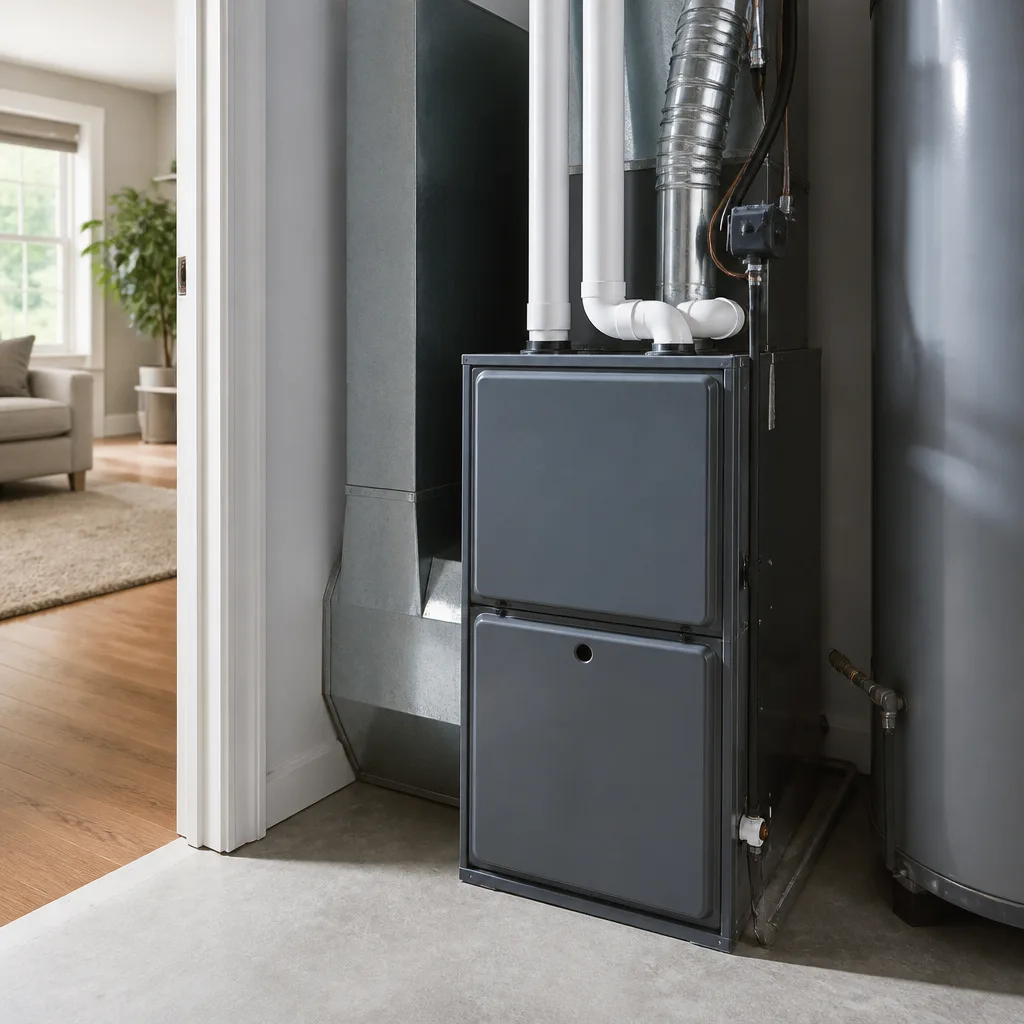
 Furnace & heating
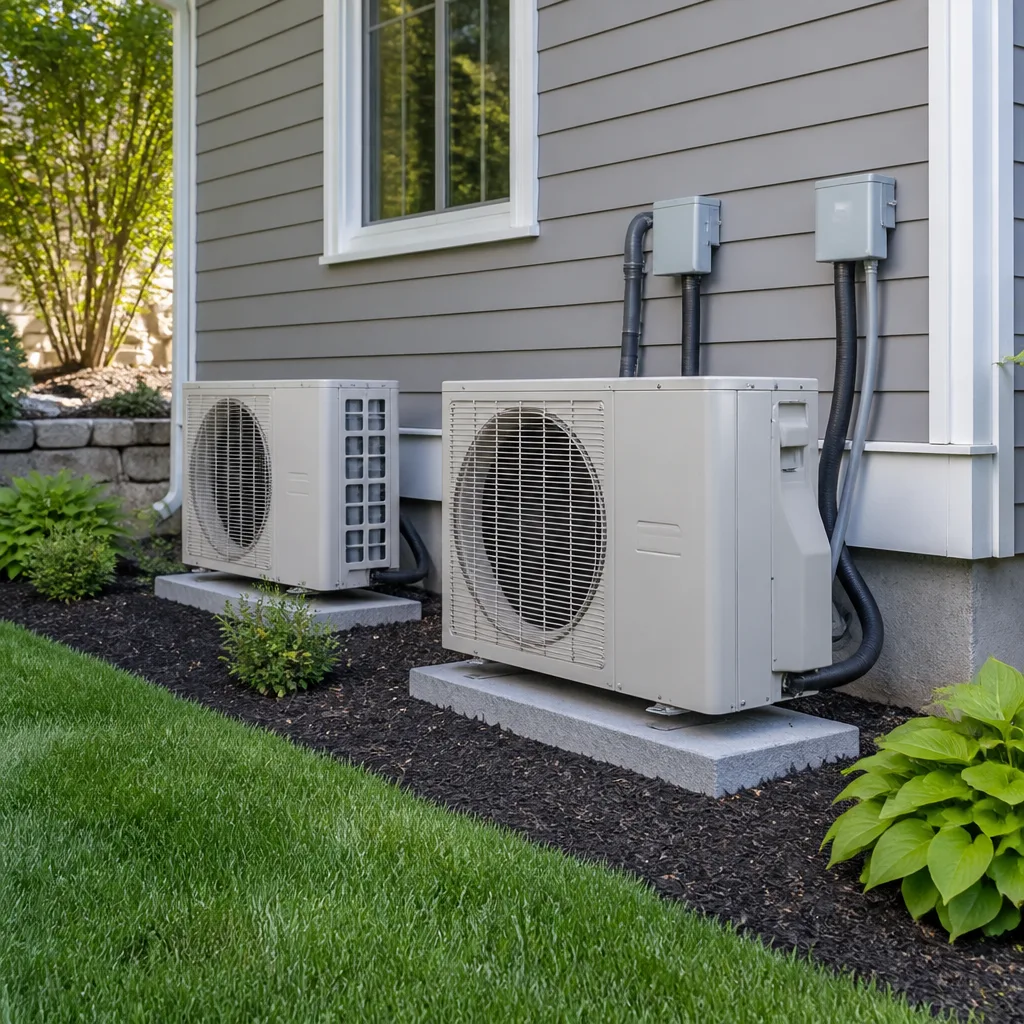 Heat pumps
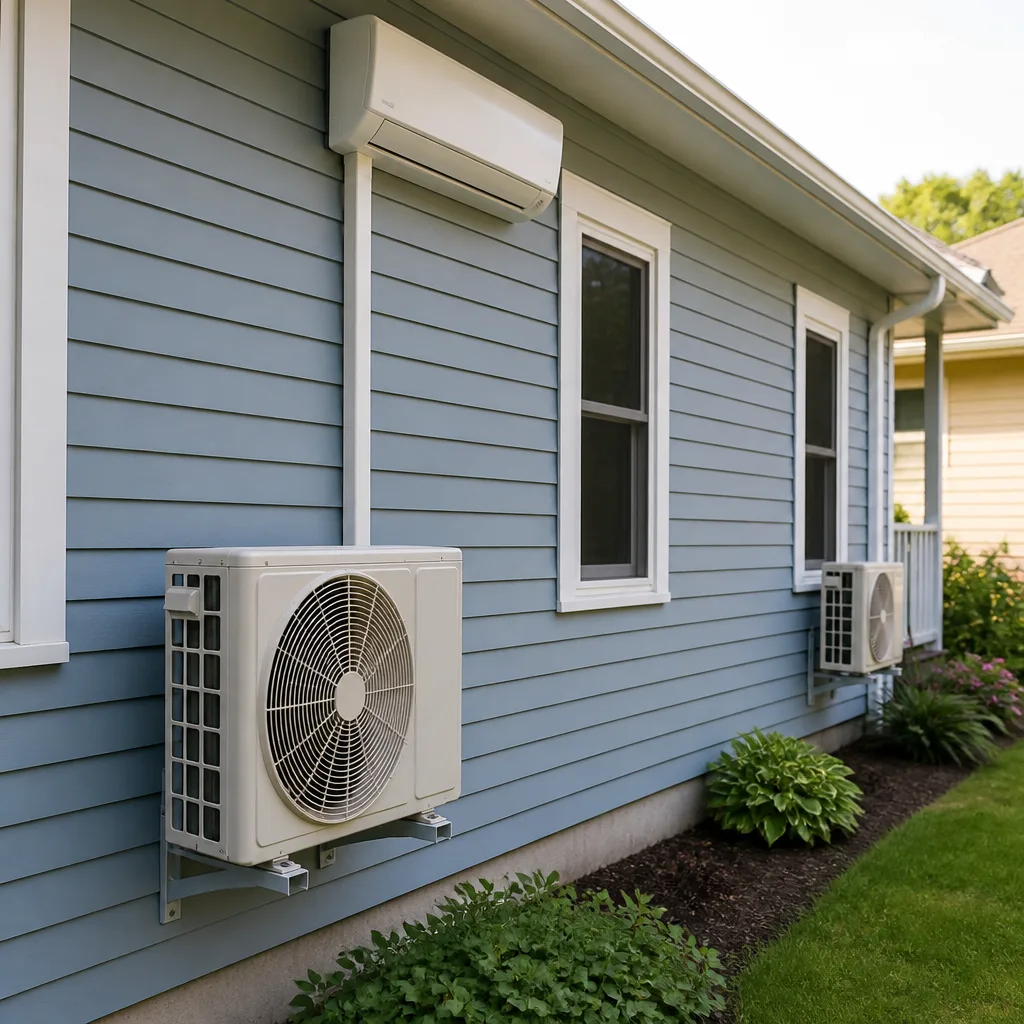 Ductless mini splits
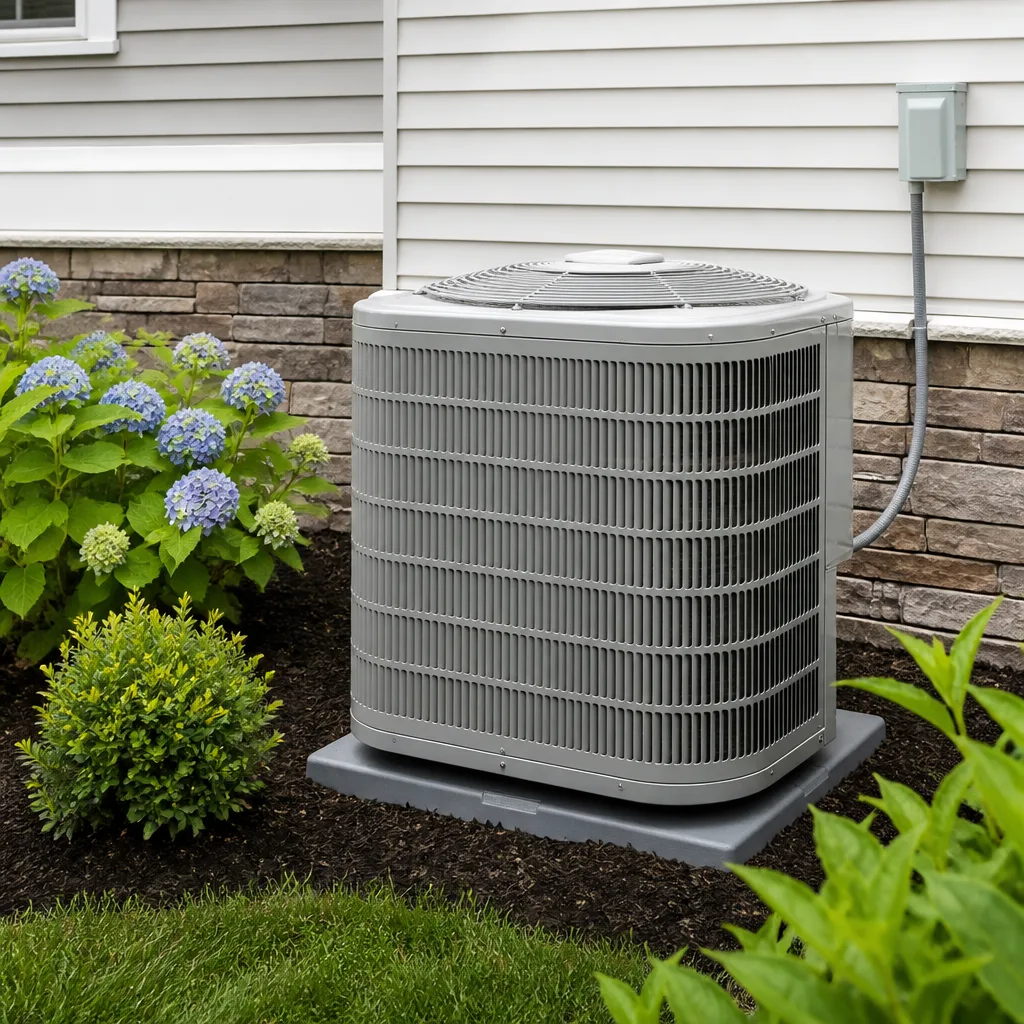 Carrier
 Trane
TraneSeasonal tune-up and full diagnostic on your Carrier, Trane, or Goodman system - readings shown to you before any repair is proposed
Diagnosis first, numbers second - you approve the repair price before a single part goes in.
Get your free estimateDaikin Capacitor Replacement: The Woodland Hills Owner’s Guide
Most Daikin capacitor replacements in Woodland Hills run between $180 and $340 installed, and we carry the common Daikin-spec capacitors on our trucks so we can usually complete the swap same-day. The capacitor is the small cylindrical part inside your outdoor condenser that gives the compressor and fan motor the electrical jolt they need to start spinning. When it fails, you’ll typically notice the outside unit humming but not starting, the fan not turning, or the system tripping its breaker. In Woodland Hills, where AC units run hard from May through October, capacitors take a real beating, and it’s one of the most common Daikin repairs we see all summer.
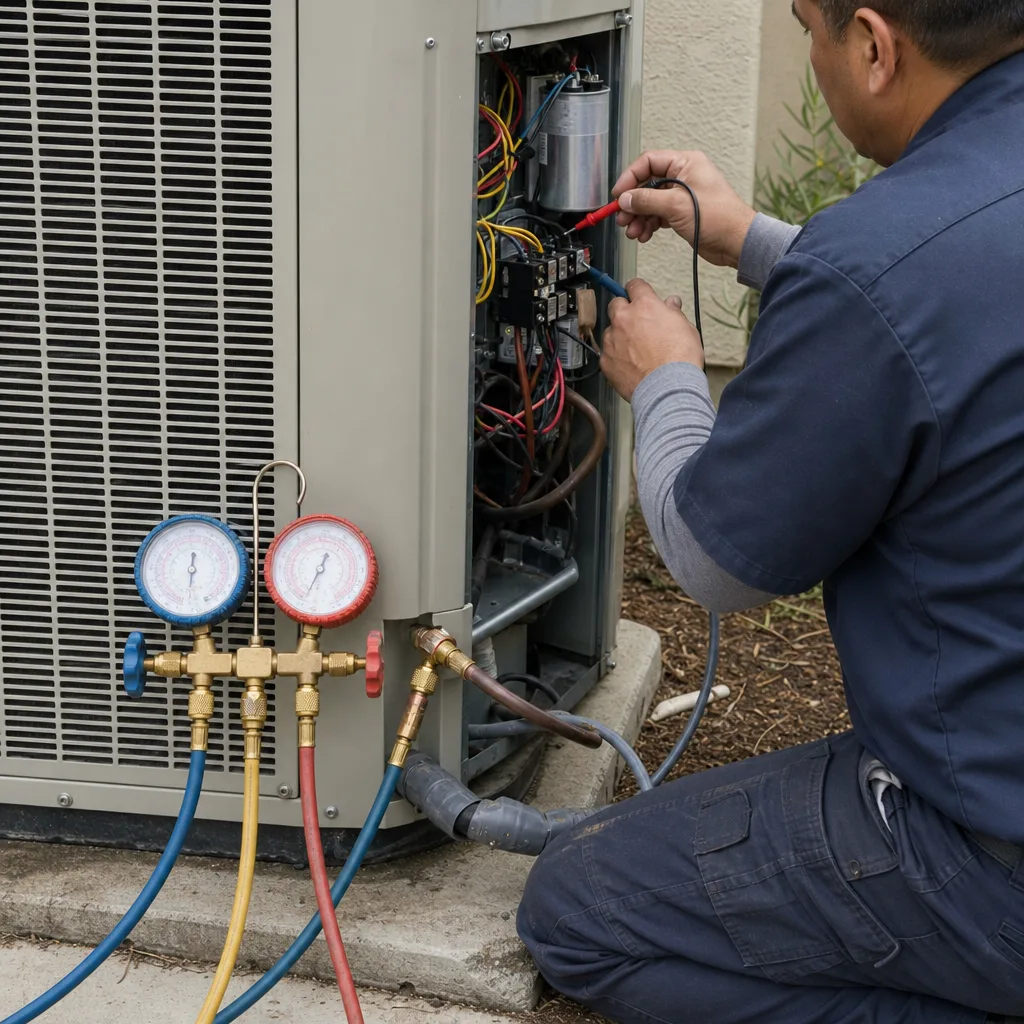
We’re an independent service provider, not affiliated with Daikin, but we service and stock parts for Daikin equipment across the San Fernando Valley. Here’s what you need to know to get your Daikin system back online without guesswork.
Which Daikin Models This Applies To
Daikin uses round and oval run capacitors across most of its residential split systems, including the Daikin Fit (DZ series), the DX series, and the older RZQ and FTQ lines you’ll still find throughout Woodland Hills. The exact capacitor your unit needs depends on the microfarad (µF) rating and voltage printed on the side of the existing part, not just the model number. Most Daikin residential condensers take a dual-run capacitor rated somewhere between 35/5 µF and 45/5 µF at 370 or 440 volts, but the only way to know for sure is reading the label on the part itself or checking the wiring diagram on the inside of the condenser panel.
A compatibility gotcha with Daikin that catches a lot of people: these units often use a higher voltage rating than entry-level brands, and you can’t safely substitute a 370V capacitor where Daikin specified 440V. The higher rating gives it more headroom against voltage spikes, which happen regularly in Woodland Hills during summer brownout conditions. As for OEM versus aftermarket, Daikin-branded capacitors are fine but honestly nothing special, quality aftermarket parts from AmRad or Titan HD match or exceed OEM specs at a lower price, and that’s what we stock on the truck. What matters is matching the µF rating exactly, never going under on voltage, and using a part rated for at least 60,000 hours at 70°C, because Valley rooftop condensers routinely see 40°C+ in August.
Styles & brands we work with
Signs Your Daikin Capacitor Replacement Is Failing
- Outside unit hums but the fan doesn’t spin. The compressor may be trying to start but the capacitor can’t deliver the starting jolt, so the motor just sits there and buzzes. If you hear this, shut the system off at the thermostat and the breaker, running it like that can burn out the compressor in under an hour.
- Fan starts only when you give it a push. A failing capacitor loses its ability to shift the motor’s phase angle, which is what gets it turning from a dead stop. If the fan eventually spins once nudged, the capacitor is on its last legs.
- AC runs for a few minutes then shuts off. The capacitor’s capacitance drifts downward as it degrades, and the motor can overheat and trip its internal thermal overload. It’ll reset after cooling down, then do it again.
- Visible bulging, leaking, or a burnt smell at the capacitor. Heat and age break down the dielectric fluid inside, the casing swells like an old battery, and eventually it vents. If you see a swollen top or oily residue around the part, it’s done.
- Higher electric bills with no change in usage. A weak capacitor makes the compressor and fan work harder to start and run, drawing more current every cycle. In Woodland Hills, where summer AC runs nearly nonstop, that wasted current adds up fast on LADWP bills.
See the difference
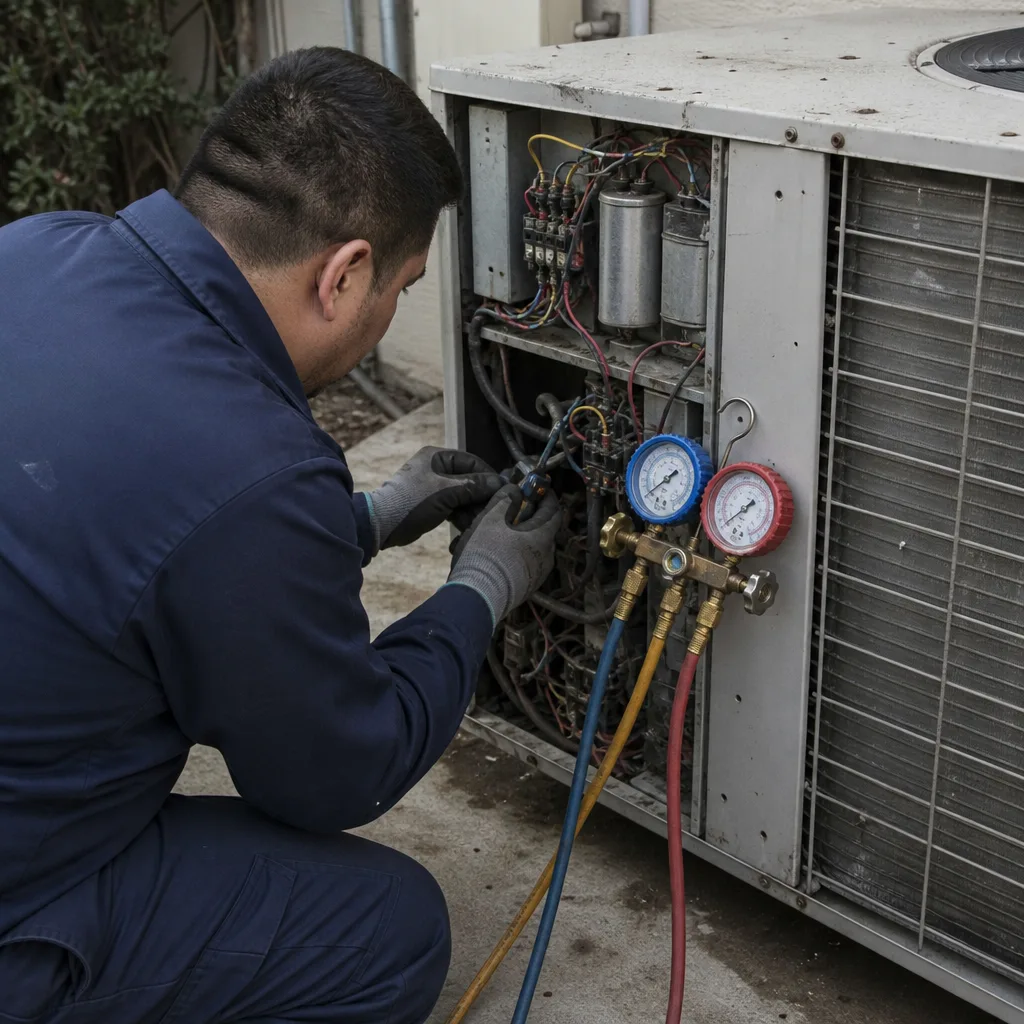 Before
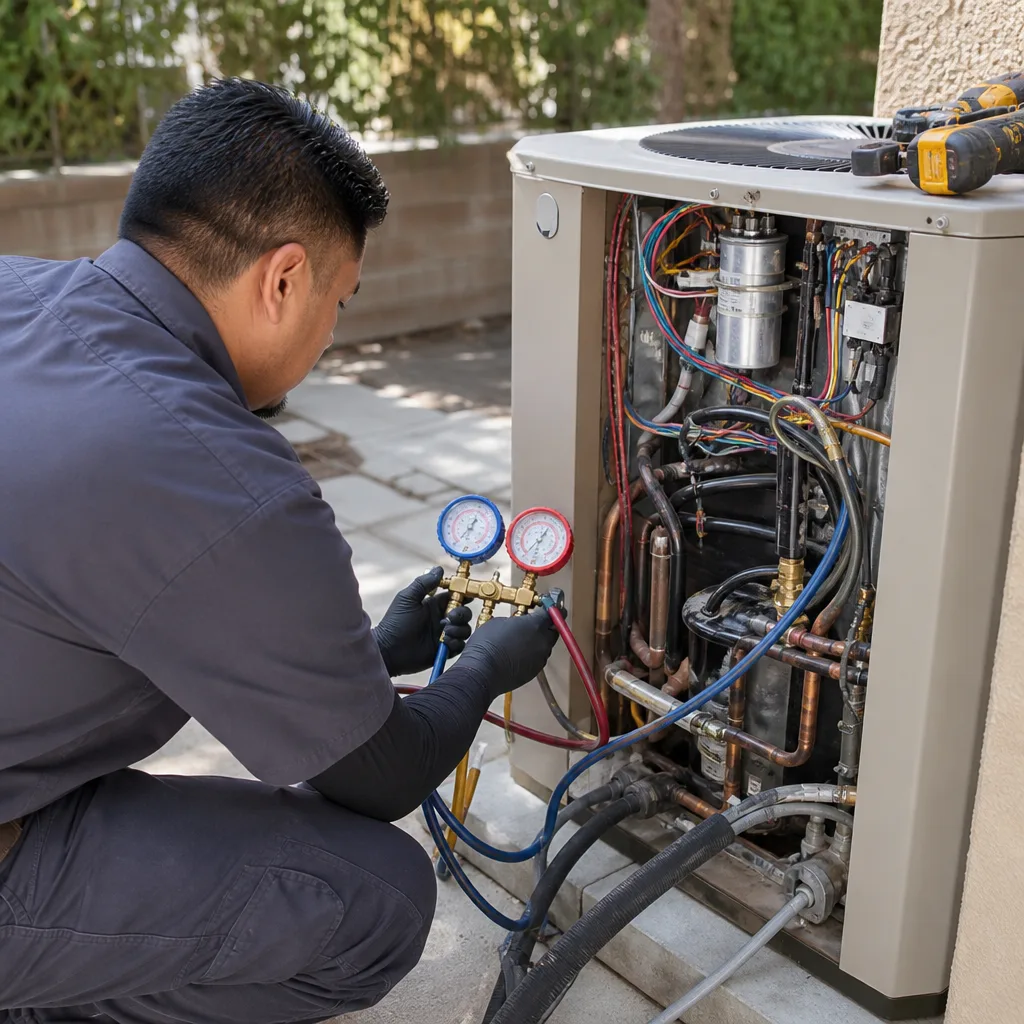 After
After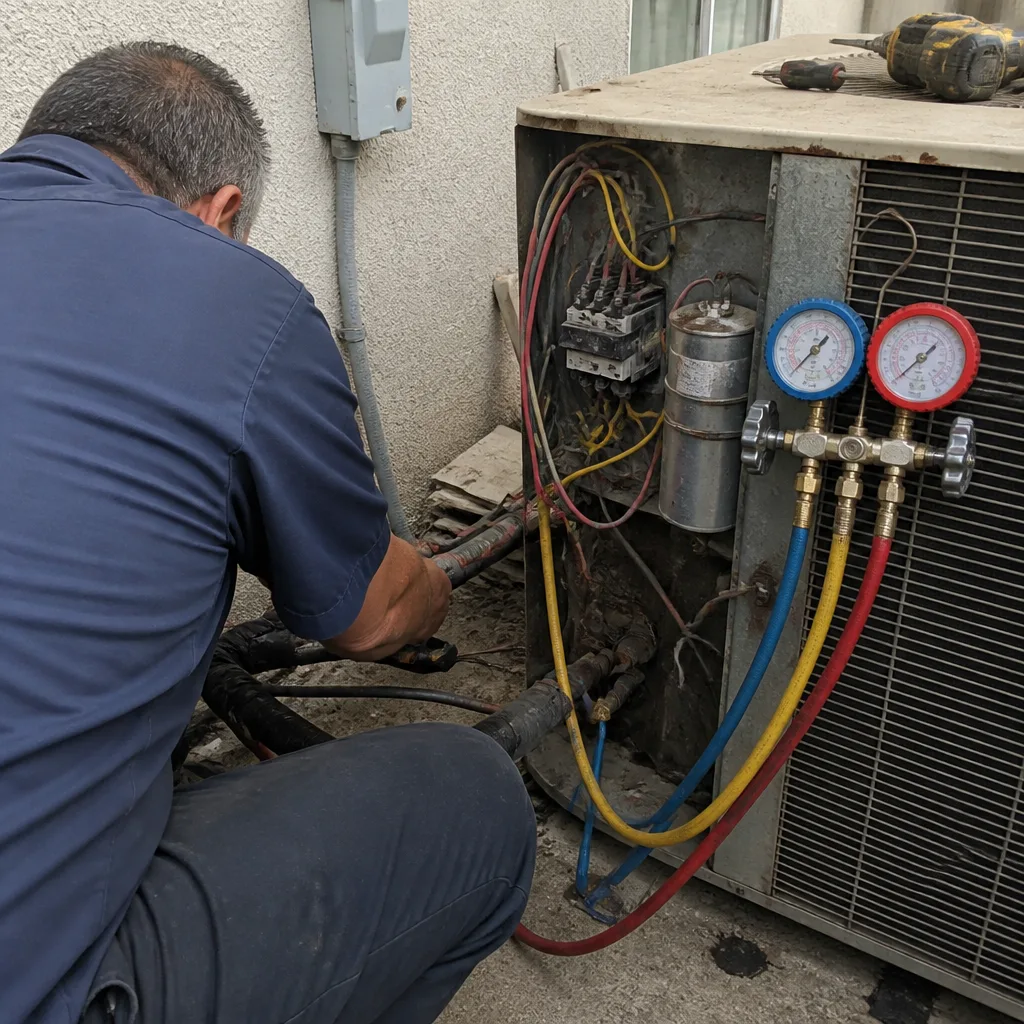 Before
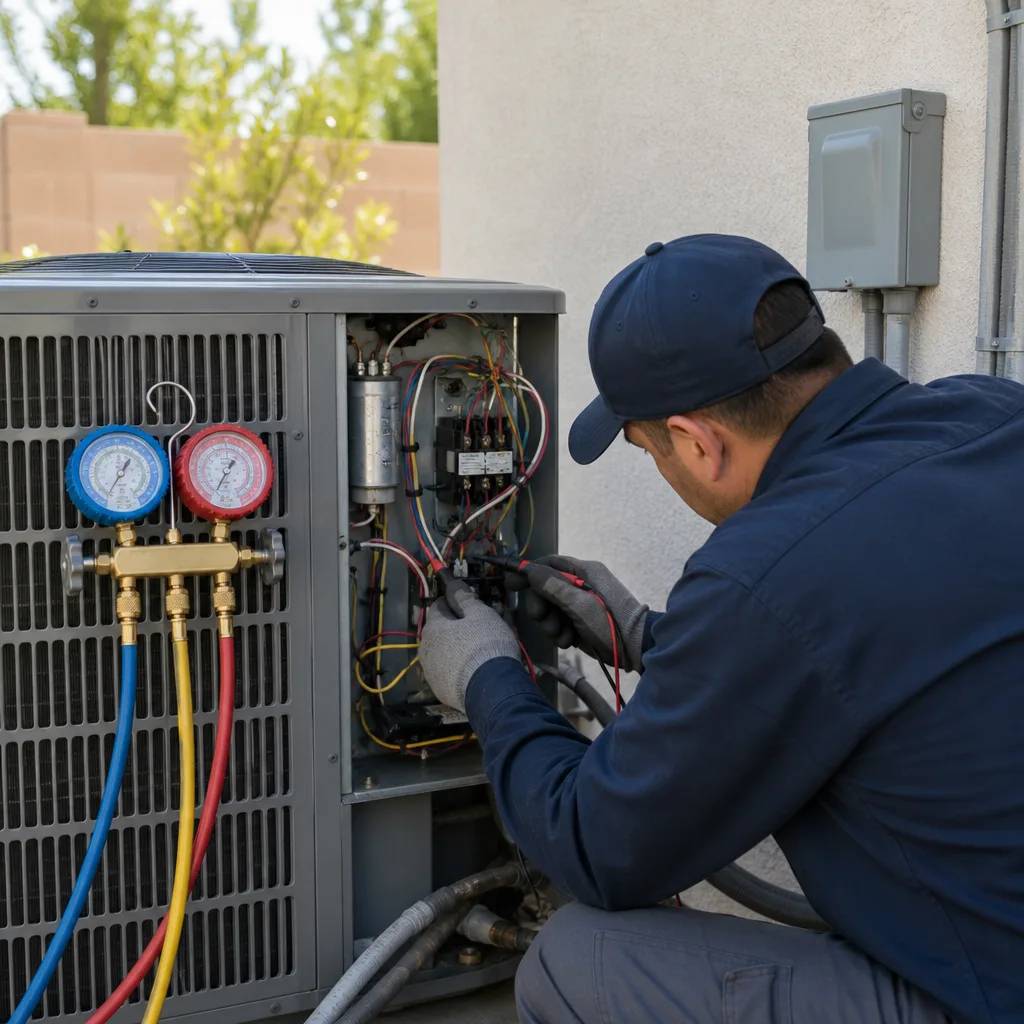 After
After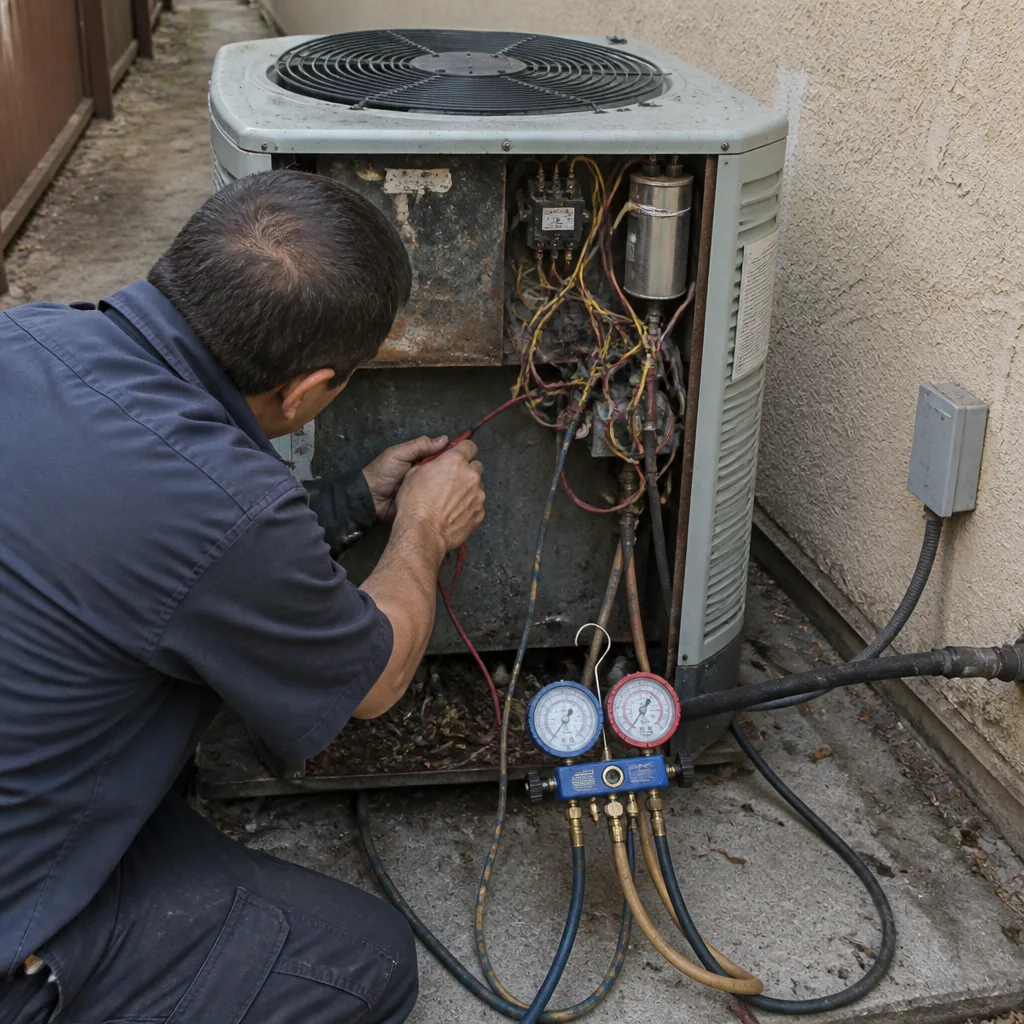 Before
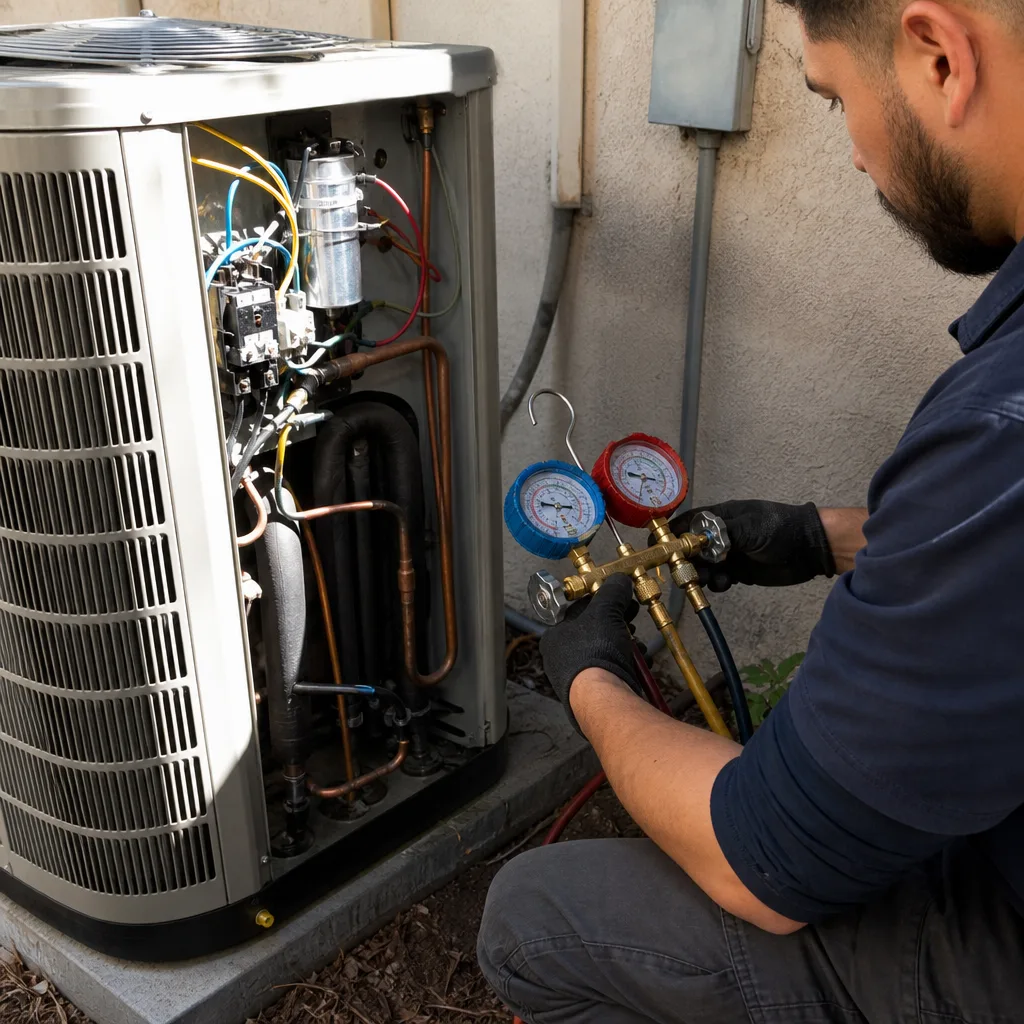 After
AfterReplacement Cost & What’s Included
For a Daikin capacitor replacement in Woodland Hills, expect to pay between $180 and $340 installed. The capacitor itself is a relatively inexpensive part, typically $20 to $60 for a quality dual-run unit, but you’re paying for the diagnosis, the part matched to your exact Daikin spec, and the labor to safely discharge the old capacitor and wire in the new one. Most AC repairs in our area fall in the $150 to $650 range, and a capacitor swap sits at the lower end of that, which is part of why it’s one of the best-case scenarios when your AC goes down.
Every capacitor replacement we do includes the written price before we pick up a tool, the new part, installation, testing of both the compressor and fan motor after the swap, and our written guarantee on the repair. If that capacitor fails again within the coverage window, we come back and replace it at no charge under our 365-Day Done Right Promise. No overtime charge for evenings or weekends, either.
DIY or Call Us?
Here’s the honest take from Andre Fuller, our owner: a capacitor is not a DIY part, and that’s not a sales pitch, it’s a safety warning. Capacitors store a charge even after the power is off, and the wrong move can deliver a shock that sends you off a ladder or worse. High voltage, live terminals, and stored energy are all in play, and we’ve seen plenty of homeowners in Woodland Hills attempt this fix on a Saturday and call us Monday with a blown control board because they wired it backward.
What you can safely do is look at the outside unit, check whether the breaker has tripped, and feel whether warm air is coming off the top fan. If the compressor is humming but nothing is spinning, that’s a strong capacitor signal, and we’ll confirm it in minutes with a multimeter. Give us a call at (559) 245-8195, we’ll send a background-checked tech with a live arrival time you can track to your door, and you’ll have a written price before anything gets touched. Straight price, straight answer, before we touch anything.
FAQs
In Woodland Hills, expect 6 to 10 years from a quality capacitor, though we’ve seen them fail in as little as 3 years on rooftops that get direct afternoon sun and run continuously through 100°F+ heat waves. The heat is what kills them, and the San Fernando Valley is harder on capacitors than almost anywhere else in the country.
No. A capacitor is a sealed, non-serviceable component, and once it’s swollen, leaking, or out of spec on capacitance, replacement is the only option. For the part cost involved, attempting to repair one would cost more than just installing a new one.
Most capacitor swaps take 30 to 45 minutes from arrival to tested-and-running. That includes discharging the old capacitor safely, confirming the new one matches the µF and voltage spec, wiring it in, and then checking the compressor and fan amperage to make sure nothing else was damaged by the failing part.
Yes. We keep common Daikin-spec dual-run capacitors in 35/5, 40/5, and 45/5 µF ratings at 440V on our trucks, along with OEM and quality aftermarket equivalents. If your unit needs an unusual rating, we can typically source it same-day from local supply houses in the Valley. Call (559) 245-8195 and we’ll confirm compatibility before we head out. We also stock parts for Carrier, Trane, and Lennox systems, so if you have mixed brands in the house, we’ve got you covered.
Written by Andre Fuller, Owner, Halden Heating and Air Woodland Hills at Halden Heating and Air Woodland Hills, serving Woodland Hills and nearby areas.