
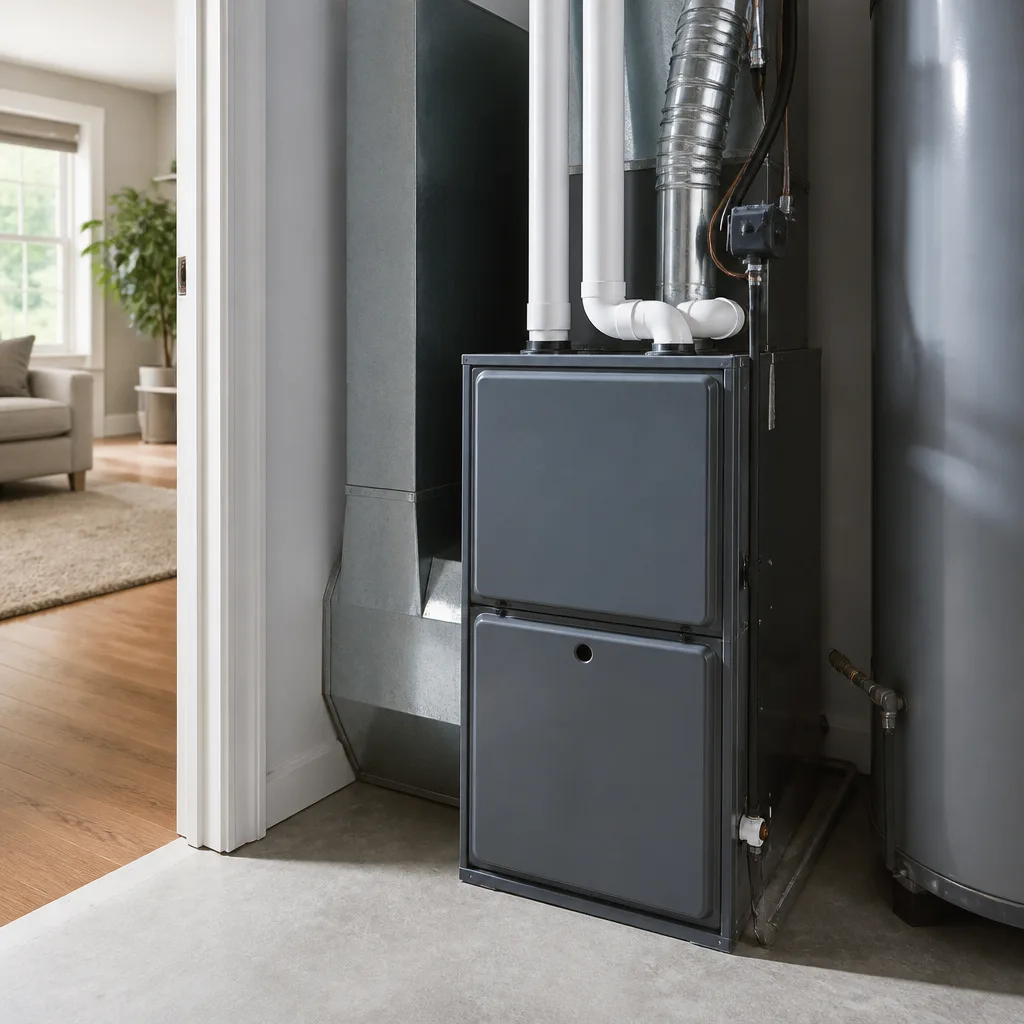
 Furnace & heating
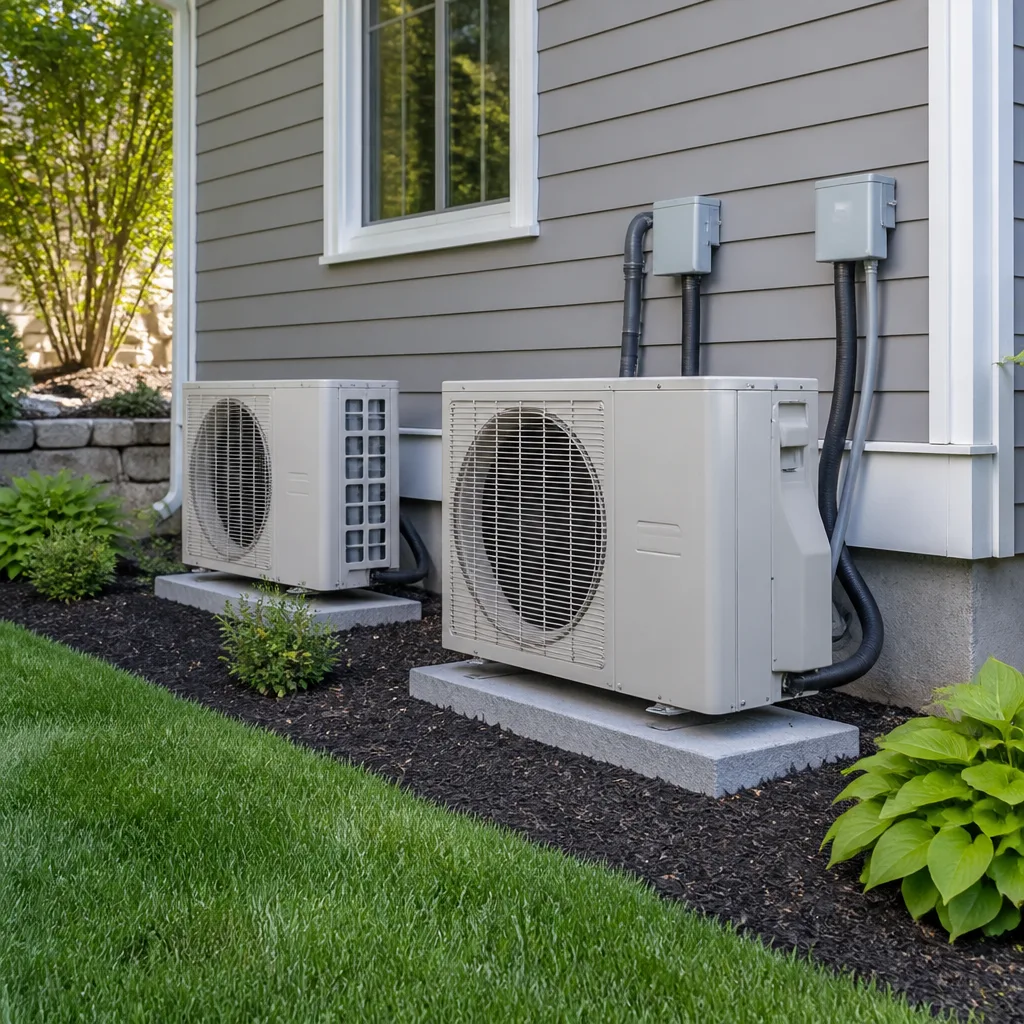 Heat pumps
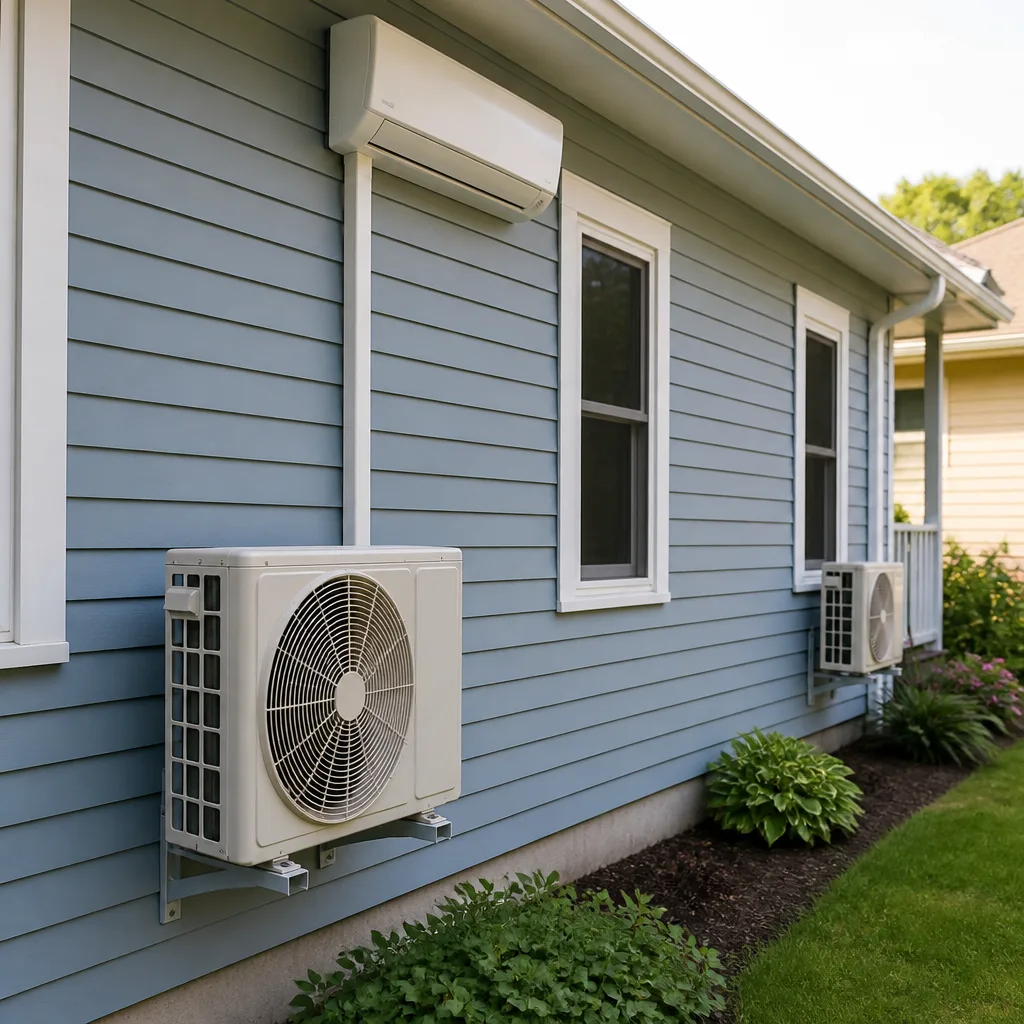 Ductless mini splits
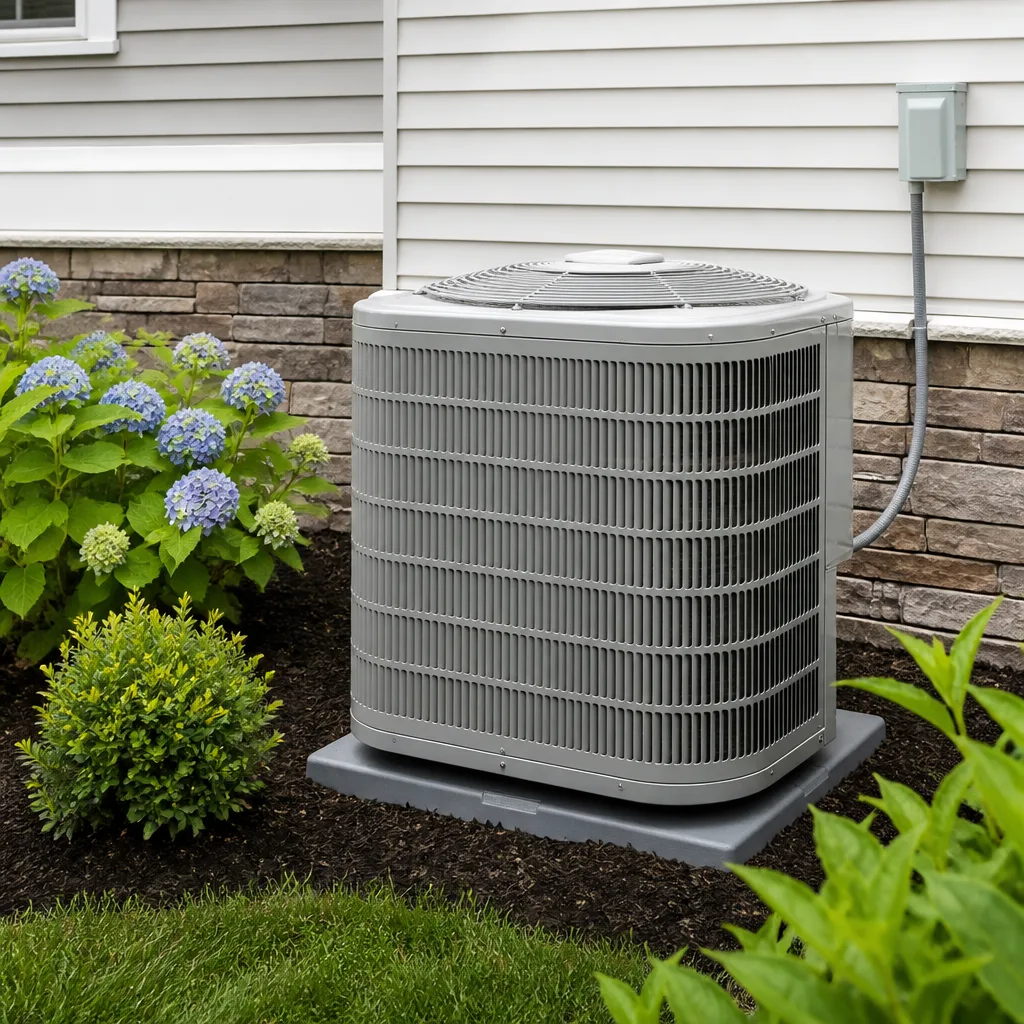 Carrier
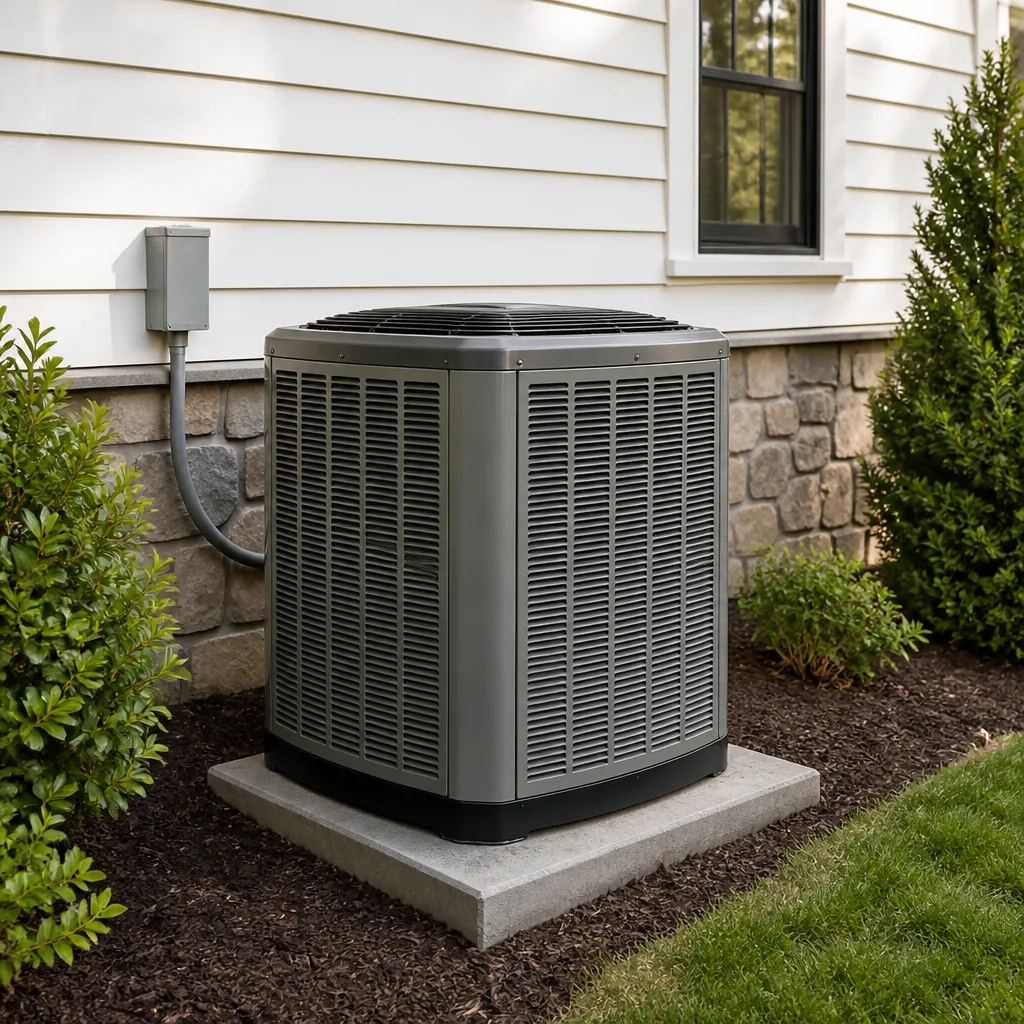 Trane
TraneSeasonal tune-up and full diagnostic on your Carrier, Trane, or Goodman system - readings shown to you before any repair is proposed
Diagnosis first, numbers second - you approve the repair price before a single part goes in.
Get your free estimateCarrier Heat Pump Service: The Woodland Hills Owner’s Guide
If your Carrier heat pump is blowing warm air, short-cycling, or flashing an error code, we can usually get a technician to your Woodland Hills home the same day with the right part on the truck. Most Carrier heat pump repairs in this area run between $150 and $650 installed, depending on the component, though a failed compressor or reversing valve lands at the higher end. We’re an independent Carrier-compatible service provider (not a Carrier corporate shop), which means we stock both genuine OEM Carrier parts and quality aftermarket equivalents at a better price. The typical story we hear: the system worked fine through last summer, sat mostly idle through the mild winter, and then the first triple-digit week hit, and the outdoor unit started making a sound like a garbage disposal full of spoons.
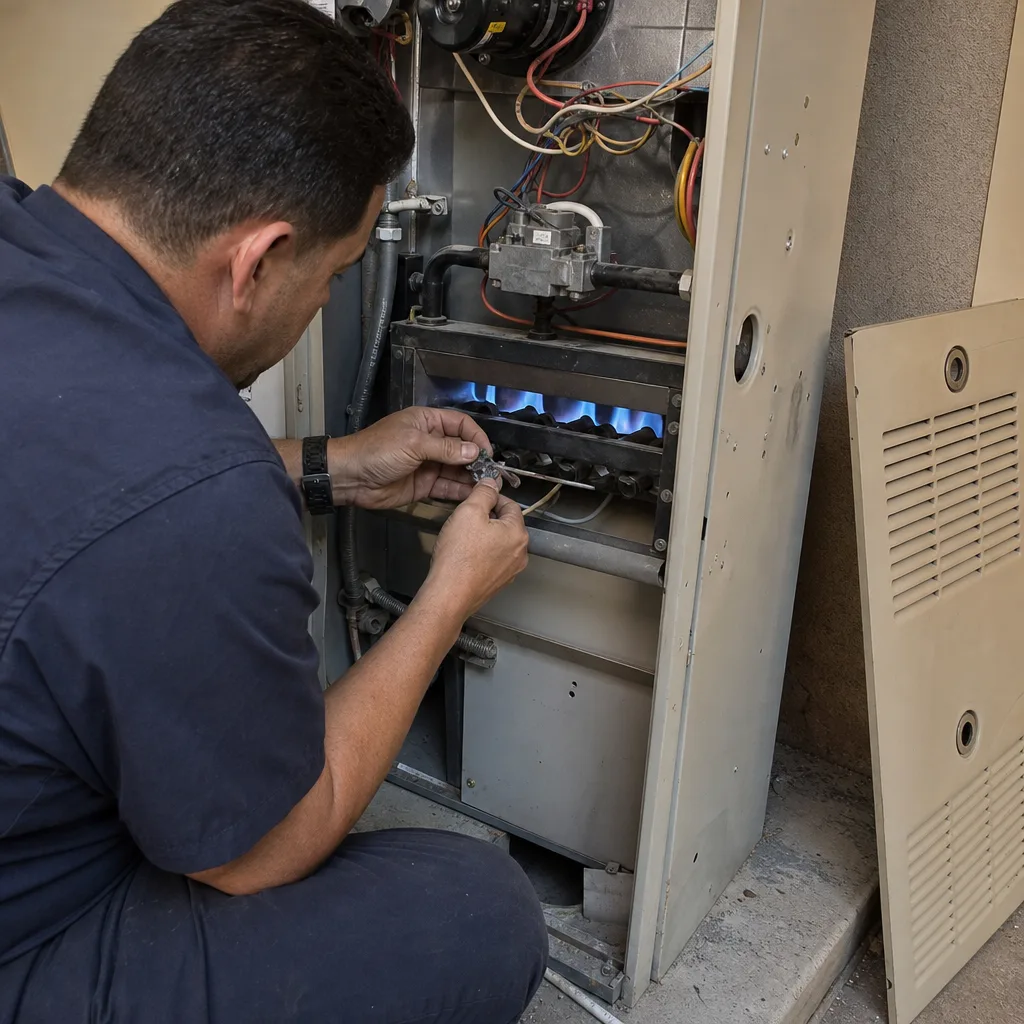
The install part of the equation is what trips people up. A Carrier heat pump is not a one-size-fits-all appliance. Get the wrong capacitor, the wrong defrost control board, or a mismatched reversing valve and you’ll be back to square one in a week. Matching the part to the exact Carrier model and serial number is the whole ballgame, and we do that before we roll the truck.
Which Carrier Models This Applies To
We service the full Carrier residential heat pump lineup: the Infinity series (25VNA, 25VNB, and the older 25VNA0), the Performance series (25HCC, 25HCE, 25HPB), and the Comfort series (25HBC, 25HCD), plus the Builder-series units scattered across newer Woodland Hills tract homes. If you have an older Carrier split-system heat pump from the 1990s or early 2000s, we still service those too, though parts availability gets tighter as the units age past 20 years.
The compatibility gotcha: Carrier has been quietly migrating their higher-SEER2 and cold-climate models to inverter-driven compressors. Those systems use proprietary DC inverter boards and variable-speed condenser fan motors that cannot be safely substituted with generic aftermarket parts. We’ll always check the model plate and, on inverter units, recommend genuine Carrier components. The plate you’re looking for is on the side of the outdoor unit, usually behind a small access panel. It lists the model, serial, and the exact part numbers for the primary electrical components. Text us a photo and we can often confirm the part and the price before the truck ever backs out of the driveway.
OEM vs aftermarket for Carrier specifically matters most on three parts: contactors, capacitors, and defrost boards. For standard single-speed units, we can use Tier-1 aftermarket components with confidence, and we’ll write that choice on your invoice with the price difference. For Infinity-series variable-speed systems, we stick with OEM and tell you why. Straight price, straight answer, before we touch anything.
Styles & brands we work with
Signs Your Carrier Heat Pump Service Is Failing
- Outdoor unit is running but the house isn’t cooling (or heating). That’s almost always a failed compressor, a stuck reversing valve, or a low refrigerant charge caused by a leak. If you hear the outdoor fan spinning but the copper lines feel room-temperature, stop running the system and call us. A compressor running without refrigerant is a compressor ordering its own funeral.
- Short cycling, that click-hum-then-nothing at the outdoor unit. The classic failing start capacitor or contactor. Those are $40 to $80 parts and the most common inexpensive heat pump repair we do in Woodland Hills. Ignore it, and you’ll torch the compressor, turning a $200 call into a $2,000 one.
- Unit is freezing over in the middle of summer (not just winter). In cooling mode, frost on the outdoor lines means low refrigerant or restricted airflow. In heating mode, moderate frost is normal and should be handled by the defrost cycle. If it’s a block of ice in July, that’s a charge or airflow problem, and a frozen coil left running can destroy the compressor.
- Random error codes on the thermostat or wild temperature swings. On Carrier Infinity and Performance thermostats, recurring code 84 (loss of communication) or 31 (high pressure) are common. We won’t guess. We pull the code and measure the actual pressures with gauges.
- Heat won’t switch to cooling, or vice versa. The reversing valve has failed or the solenoid that drives it is shot. In the Valley’s shoulder seasons, you might not notice for weeks. In August, you notice in about twenty minutes. The valve body itself is a $250 to $450 repair; the solenoid is much cheaper. We’ll tell you which one you actually need.
See the difference
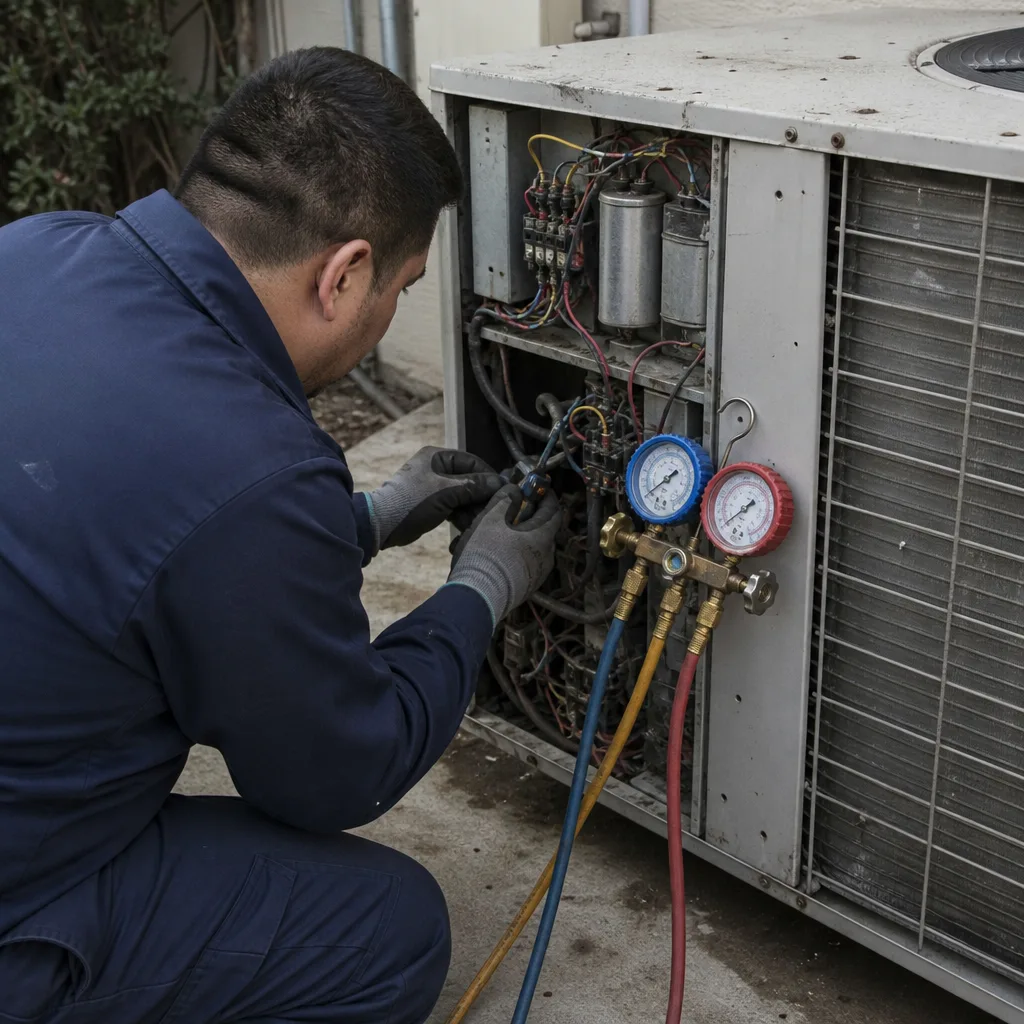 Before
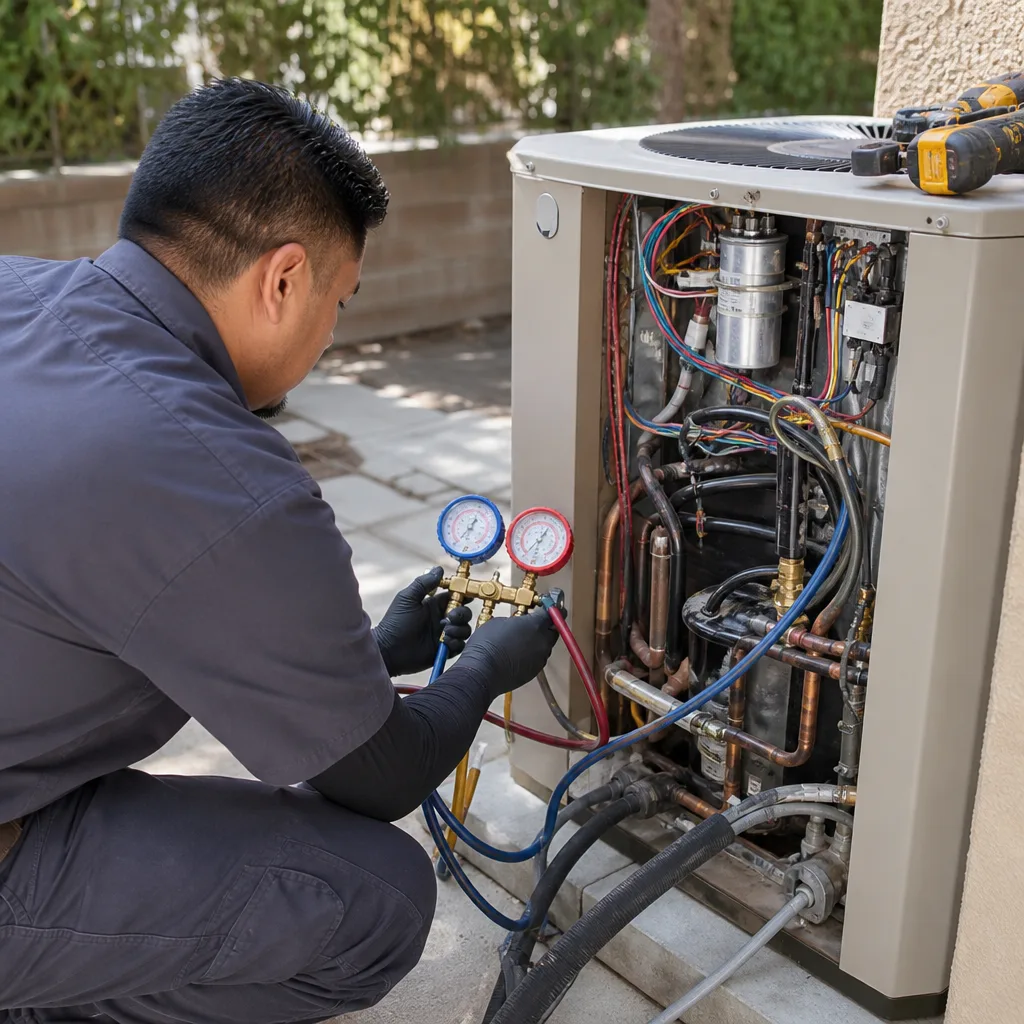 After
After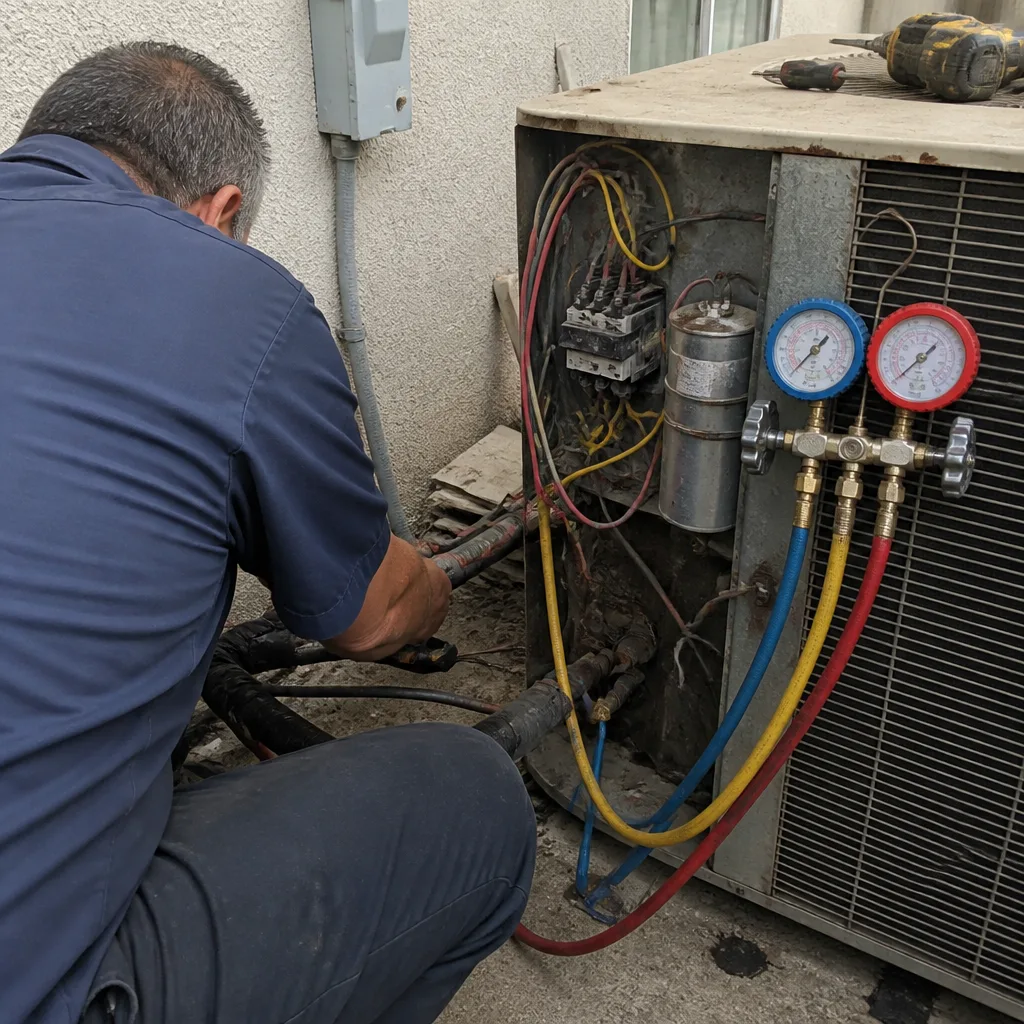 Before
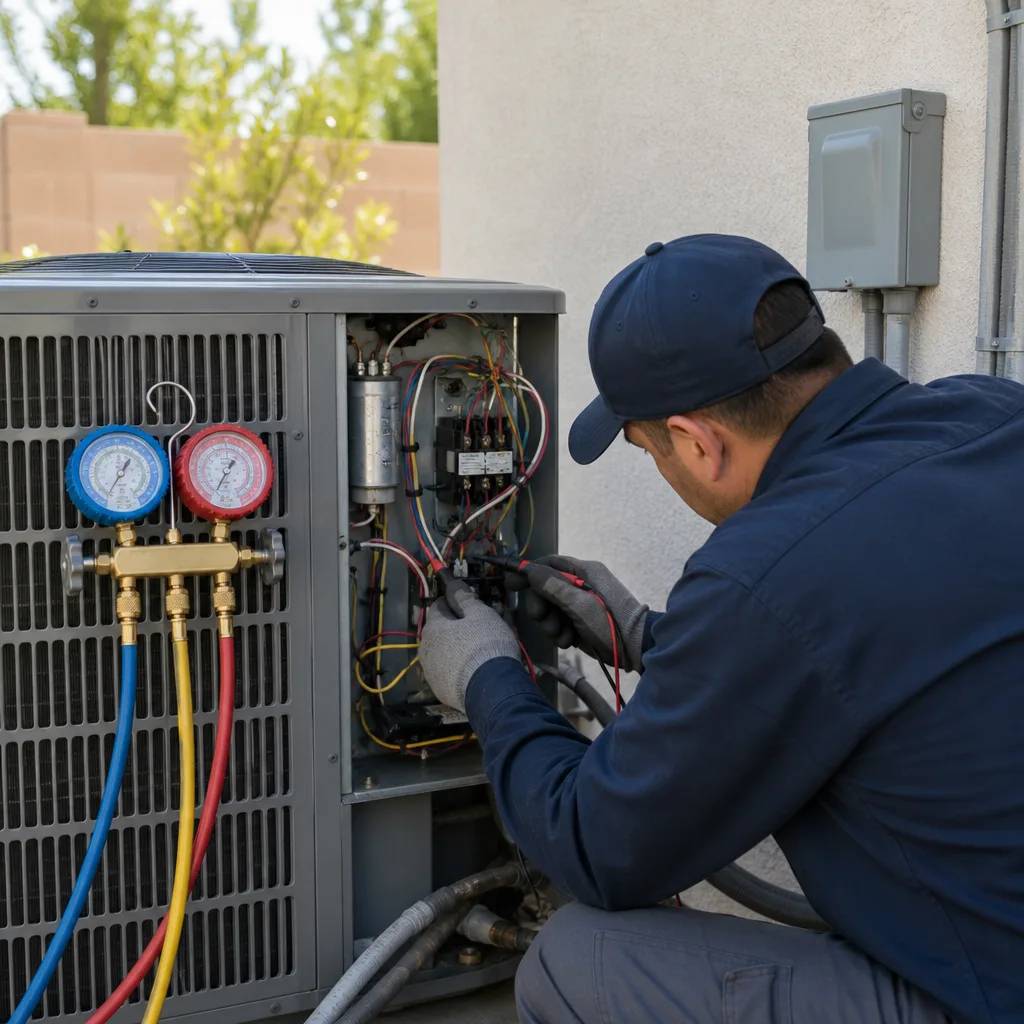 After
After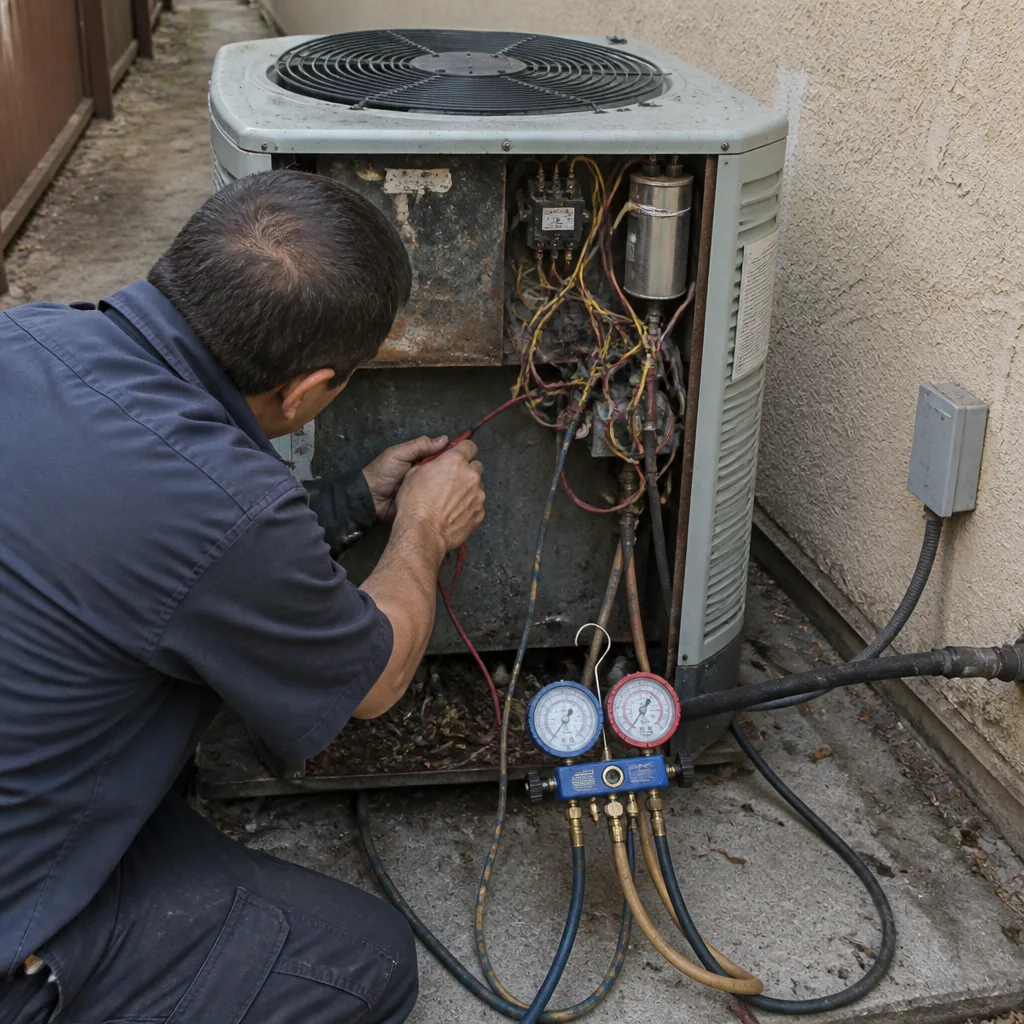 Before
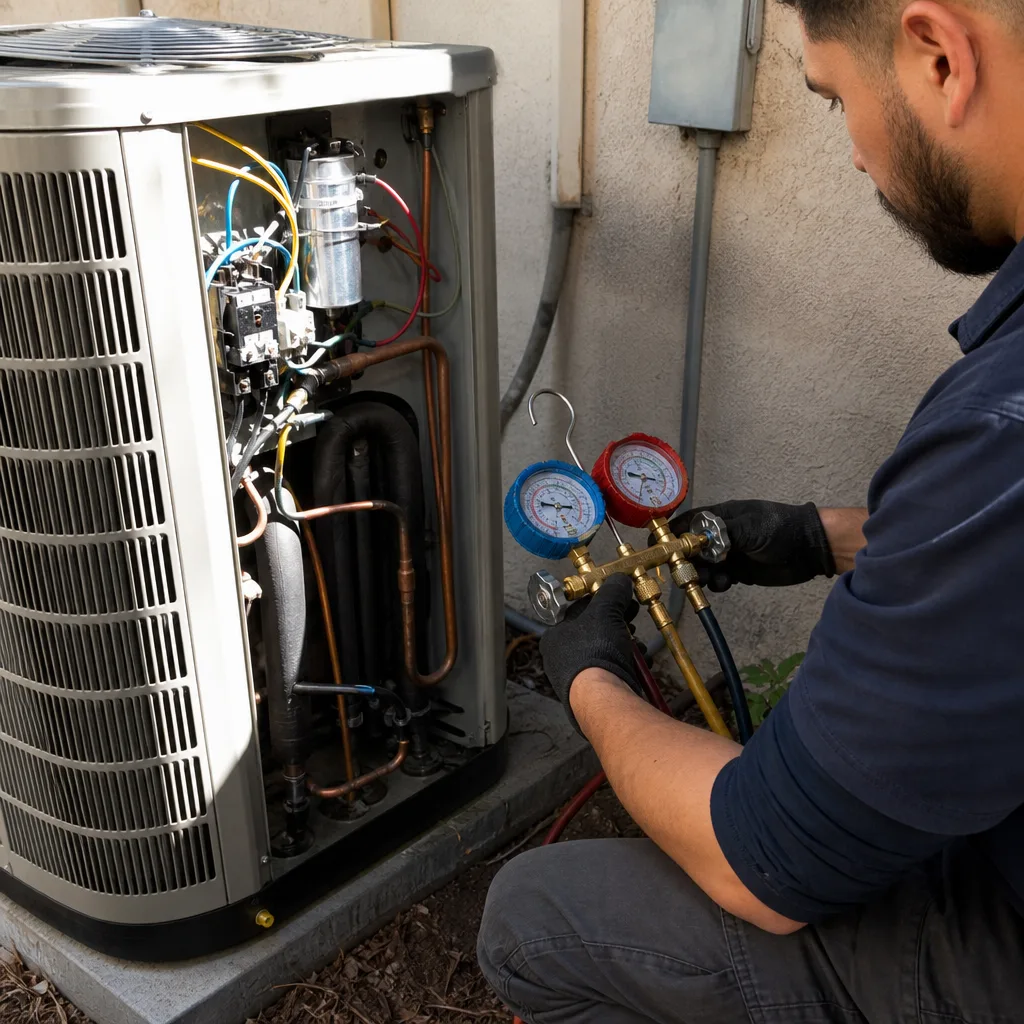 After
AfterReplacement Cost & What’s Included
Heat pump component repair in Woodland Hills runs $150 to $650 installed for most jobs: capacitors and contactors at the low end, defrost control boards and fan motors in the middle, reversing valves and relays at the upper end. Replacement compressors stand alone as their own project, typically pushing toward $2,000 or more when you factor in recovery, filter dryer, flush, and recharge, at which point we’ll always talk you through the repair-versus-replace math honestly before you spend a dollar.
What you get with every call: a written price before any work is started, line by line, so there’s no “oh, and also” at the door. The price includes the part, the labor to install it, and the written guarantee on the repair. If it fails within the coverage window, we come back at no charge. No arguing, no warranty claim phone calls to a call center. And we don’t charge overtime for nights or weekends, because a heat pump that dies during a heat wave doesn’t have the courtesy to wait until Monday.
DIY or Call Us?
Here’s our honest split. You can absolutely check and replace your own thermostat batteries, clear the weeds and golf balls away from the outdoor unit, and hose the coil fins down gently in the spring. That’s maintenance, and it genuinely helps. What you should not touch: capacitor replacement (they store enough charge to hurt you), contactor wiring (line voltage), refrigerant work (illegal without an EPA certification and dangerous), and anything involving the reversing valve or compressor (high pressure and high cost if you get it wrong). We’ve been called to enough homes where a $30 capacitor turned into a $900 repair after a YouTube attempt, so we’ll say it plainly: if the panel has a voltage warning on it, that’s your sign to call us.
Andre Fuller grew up in the Valley and has been hauling equipment up these driveways for the better part of two decades, so he knows what heat does to a Carrier unit in this climate. Call (559) 245-8195 and we’ll get you on the schedule with a live arrival time and a real diagnosis, not a guess.
FAQs
A well-maintained Carrier heat pump in the San Fernando Valley typically lasts 12 to 18 years, but the heat load here is severe and that accelerates wear on capacitors and compressors. Systems close to the 101 and the 405 battle more dust and debris than systems up in the hills. The Carrier units that get annual maintenance and get dying capacitors replaced promptly usually hit the upper end of that range, and we also stock and install Trane and Lennox parts for households running those brands instead.
Capacitors, contactors, and relays are replacement-only parts; there’s nothing inside to repair. Control boards can occasionally be rebuilt by specialized services, but the cost of shipping and bench time usually exceeds the price of a new Carrier board, so we don’t recommend it. Call (559) 245-8195 if you want an honest repair-vs-replace answer on your specific part, and the estimate is free.
Most electrical component swaps like capacitors, contactors, and defrost boards take 30 to 90 minutes from arrival. A reversing valve replacement is a half-day job when you include the brazing, evacuation, and recharge. Compressors are a full day or sometimes two, because the system has to be pulled into a vacuum and recharged by weight. We’ll give you the time window before we start the work, not after.
Yes. We keep the most common Carrier-compatible capacitors, contactors, relays, and defrost sensors stocked on our trucks, along with a handful of universal aftermarket boards that cover the Comfort and Builder series units. Specific Carrier OEM boards for Infinity and higher-SEER Performance models sometimes need to be ordered same-day, and we’ll tell you that before you commit. Call (559) 245-8195 with your model number and we can usually confirm part availability in minutes.
Written by Andre Fuller, Owner, Halden Heating and Air Woodland Hills at Halden Heating and Air Woodland Hills, serving Woodland Hills and nearby areas.